ثبت نام / ورود
0
ثبت نام / ورود
0
J. M. Smith, H. C. Van Ness, M. M. Abbott, M. T. Swihart
#Chemical
#Engineering
#Thermodynamics
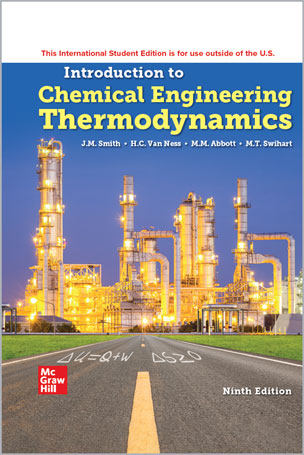
(Introduction to Chemical Engineering Thermodynamics) اثری از اسمیت، وننس، ابوت و سویهارت
🔹 درباره کتاب: این کتاب سالهاست که به عنوان یکی از مورد اعتمادترین و جامعترین پایههای آموزشی برای دانشجویان و متخصصان مهندسی شیمی شناخته میشود. این متن کلاسیک، کاوشی شفاف و دقیق از اصول ترمودینامیک در کاربرد آنها در فرآیندهای شیمیایی واقعی ارائه میدهد.
این کتاب با ایجاد تعادل میان نظریه و عمل مهندسی، پوشش مفصلی از مباحث زیر فراهم میکند:
این منبع با رویکرد ساختارمند، مثالهای عملی و مجموعهمسائل مدرن خود، خوانندگان را به ابزارهای تحلیلی لازم برای حل چالشهای پیچیده مهندسی مجهز میکند. چه برای دورههای درسی و چه به عنوان مرجع حرفهای، این ویرایش منبعی ضروری برای تسلط بر ترمودینامیک است که در طراحی و تحلیل مهندسی شیمی نقشی محوری دارد.
مباحث بنیادی و قوانین ترمودینامیک
فصل ۱: مقدمه
فصل ۲: قانون اول و سایر مفاهیم پایه
فصل ۳: خواص حجمی سیالات خالص
فصل ۴: اثرات حرارتی (Heat Effects)
فصل ۵: قانون دوم ترمودینامیک
فصل ۶: خواص ترمودینامیکی سیالات
فصل ۷: کاربرد ترمودینامیک در فرآیندهای جریانی (Flow Processes)
کاربردهای مهندسی و تعادلات فازی
فصل ۸: تولید توان از گرما
فصل ۹: تبرید (Refrigeration) و میعان (Liquefaction)
فصل ۱۰: چارچوب ترمودینامیک محلولها (Solution Thermodynamics)
فصل ۱۱: فرآیندهای اختلاط (Mixing Processes)
فصل ۱۲: تعادل فاز: مقدمه
فصل ۱۳: فرمولبندیهای ترمودینامیکی برای تعادل بخار/مایع
فصل ۱۴: تعادلات واکنشهای شیمیایی
فصل ۱۵: مباحثی در تعادلات فاز
فصل ۱۶: تحلیل ترمودینامیکی فرآیندها
نکته مهم: خلاصه زیر مربوط به نویسندگان کتاب حسابان بریگز (مطالب قبلی) است و نه نویسندگان این کتاب ترمودینامیک (اسمیت، وننس، ابوت و سویهارت).
مجموعاً، این تیم نویسندگی، دقت ریاضی، تجربه آموزشی و طراحی آموزشی مدرن را با هم ترکیب کرده تا یکی از دانشجوپسندترین و جامعترین کتابهای درسی حسابان را خلق کند.
Introduction to Chemical Engineering Thermodynamics has long been recognized as one of the most trusted and comprehensive foundations for students and professionals in chemical engineering. Authored by J. M. Smith, H. C. Van Ness, M. M. Abbott, and M. T. Swihart, this classic text offers a clear and rigorous exploration of thermodynamic principles as they apply to real chemical processes.
Balancing theory with engineering practice, the book provides detailed coverage of properties of pure substances, mixtures, phase equilibria, chemical reaction equilibria, and energy analysis of systems. With its structured approach, practical examples, and modern problem sets, it equips readers with the analytical tools needed to solve complex engineering challenges.
Whether for coursework or professional reference, this edition remains an essential resource for mastering the thermodynamics central to chemical engineering design and analysis.
Table of Contents
1. Introduction
2. The First Law and Other Basic Concepts
3. Volumetric Properties of Pure Fluids
4. Heat Effects
5. The Second Law of Thermodynamics
6. Thermodynamic Properties of Fluids
7. Applications of Thermodynamics to Flow Processes
8. Production of Power from Heat
9. Refrigeration and Liquefaction
10. The Framework of Solution Thermodynamics
11. Mixing Processes
12. Phase Equilibrium: Introduction
13. Thermodynamic Formulations for Vapor/Liquid Equilibrium
14. Chemical-Reaction Equilibria
15. Topics in Phase Equilibria
16. Thermodynamic Analysis of Processes
William Briggs was a faculty member at the University of Colorado Denver, where he specialized in applied mathematics and mathematics education. His work focuses on creating intuitive and accessible explanations of complex mathematical ideas.
Lyle Cochran is a professor at Whitworth University, known for his excellence in teaching calculus and advanced mathematics courses. He has been recognized for his ability to connect theory with real-world applications, helping students build a deeper conceptual understanding.
Bernard Gillett, also from the University of Colorado Boulder, has extensive experience in teaching calculus and developing curriculum materials. His work emphasizes clarity, structure, and well-designed exercises that support student learning.
Eric Schulz teaches mathematics at Walla Walla Community College and is widely known for his contributions to interactive digital learning tools. As a lead developer for graphical and technological components of the textbook, he integrates modern technology to enhance student engagement.
Together, this author team blends mathematical rigor, pedagogical experience, and modern instructional design to create one of the most student-friendly and comprehensive calculus textbooks in use today.