ثبت نام / ورود
0
ثبت نام / ورود
0
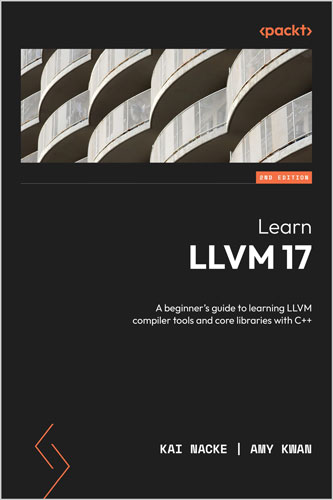
A beginner's guide to learning LLVM compiler tools and core libraries with C++
Kai Nacke, Amy Kwan
#LLVM17
#LLVM
#C++
#JIT_compilation
#IR
یاد بگیرید چگونه کل طیف کامپایلرهای دنیای واقعی را بسازید و استفاده کنید؛ از فرانتاند (Frontend) و خط لوله بهینهسازی (Optimization Pipeline) گرفته تا پیادهسازی یک بکاند (Backend) جدید با استفاده از قدرت کتابخانههای اصلی LLVM.
• یادگیری مرحلهبهمرحله استفاده از کتابخانههای LLVM
• درک طراحی سطحبالای کامپایلرهای LLVM و بهکارگیری آن در پروژههای خودتان
• افزودن یک بکاند جدید برای پشتیبانی از معماری CPUهای ناشناخته
LLVM برای پر کردن شکاف میان دانش تئوری موجود در کتابهای درسی کامپایلر و نیازهای عملی توسعه کامپایلر ساخته شد. با کدبیس ماژولار و ابزارهای پیشرفته، LLVM به توسعهدهندگان این توانایی را میدهد که کامپایلرها را سادهتر و قدرتمندتر بسازند.
این کتاب یک راهنمای عملی و کاربردی برای LLVM است که شما را به صورت تدریجی وارد سناریوهای پیچیده میکند و کمک میکند مانند یک حرفهای در مسیر ساخت و کار با کامپایلرها حرکت کنید.
کتاب با نصب و پیکربندی کتابخانهها و ابزارهای LLVM آغاز میشود. سپس طراحی LLVM و نقش آن در هر مرحله کامپایلر (فرانتاند، بهینهساز و بکاند) بررسی میشود. شما با استفاده از یک زیرمجموعه زبان برنامهنویسی واقعی، یک فرانتاند میسازید، LLVM IR تولید میکنید، آن را بهینهسازی کرده و در نهایت کد ماشین تولید میکنید.
در فصول پیشرفتهتر با موضوعاتی مانند توسعه Pass جدید در LLVM، استفاده از ابزارهای LLVM برای دیباگ، ارتقای کیفیت کد، و همچنین مسائل مرتبط با JIT Compilation و وضعیت فعلی پشتیبانی آن در LLVM آشنا میشوید. در نهایت، یک بکاند جدید توسعه خواهید داد و با توصیف هدف (Target Description) و نحوه انتخاب دستورالعملها (Instruction Selection) آشنا خواهید شد.
تا پایان این کتاب، شما تجربهای عملی از چارچوب توسعه کامپایلر LLVM خواهید داشت و با مثالها و کدهای واقعی پیش خواهید رفت.
• پیکربندی، کامپایل و نصب فریمورک LLVM
• شناخت ساختار سورس کد LLVM
• نحوه استفاده از LLVM در پروژههای شخصی
• ساختار یک کامپایلر و پیادهسازی یک کامپایلر کوچک
• تولید LLVM IR برای سازههای زبان سطح بالا
• راهاندازی خط لوله بهینهسازی و سفارشیسازی آن
• گسترش LLVM با Transformation Pass و ابزارهای Clang
• افزودن دستورالعملهای جدید و ساخت یک بکاند کامل
این کتاب برای توسعهدهندگان کامپایلر، علاقهمندان و مهندسانی است که به LLVM تازه وارد شدهاند. همچنین برای مهندسان نرمافزار ++C که به دنبال ابزارهای مبتنی بر کامپایلر برای تحلیل و بهبود کد هستند و کاربران عادی LLVM که میخواهند درک عمیقتری از آن داشته باشند نیز مفید است.
📌 پیشنیاز: آشنایی در سطح متوسط با زبان ++C.
کای ناکه (Kai Nacke) – معمار حرفهای IT مقیم تورنتو، کانادا. او دیپلم علوم کامپیوتر از دانشگاه فنی دورتموند دارد و پایاننامهاش درباره توابع هش همگانی بهعنوان بهترین پایاننامه ترم انتخاب شد. با بیش از ۲۰ سال تجربه در صنعت IT، در زمینه توسعه و معماری نرمافزارهای تجاری و سازمانی تخصص دارد. او سالها نگهدارنده LDC (کامپایلر D مبتنی بر LLVM) بوده و کتابهای D Web Development و Learn LLVM 12 را نوشته است.
ایمی کوان (Amy Kwan) – توسعهدهنده کامپایلر در تورنتو، کانادا. او کارشناسی علوم کامپیوتر از دانشگاه ساسکاچوان دارد. در حال حاضر بهعنوان توسعهدهنده بکاند LLVM فعالیت میکند و در کنفرانس LLVM 2022 نیز همراه با کای ناکه سخنرانی داشته است.
Learn how to build and use the complete spectrum of real-world compilers, including the frontend, optimization pipeline, and a new backend by leveraging the power of LLVM core libraries
LLVM was built to bridge the gap between the theoretical knowledge found in compiler textbooks and the practical demands of compiler development. With a modular codebase and advanced tools, LLVM empowers developers to build compilers with ease. This book serves as a practical introduction to LLVM, guiding you progressively through complex scenarios and ensuring that you navigate the challenges of building and working with compilers like a pro.
The book starts by showing you how to configure, build, and install LLVM libraries, tools, and external projects. You’ll then be introduced to LLVM's design, unraveling its applications in each compiler stage: frontend, optimizer, and backend. Using a real programming language subset, you'll build a frontend, generate LLVM IR, optimize it through the pipeline, and generate machine code. Advanced chapters extend your expertise, covering topics such as extending LLVM with a new pass, using LLVM tools for debugging, and enhancing the quality of your code. You'll also focus on just-in-time compilation issues and the current state of JIT-compilation support with LLVM. Finally, you’ll develop a new backend for LLVM, gaining insights into target description and how instruction selection works.
By the end of this book, you'll have hands-on experience with the LLVM compiler development framework through real-world examples and source code snippets.
This book is for compiler developers, enthusiasts, and engineers new to LLVM. C++ software engineers looking to use compiler-based tools for code analysis and improvement, as well as casual users of LLVM libraries who want to gain more knowledge of LLVM essentials will also find this book useful. Intermediate-level experience with C++ programming is necessary to understand the concepts covered in this book.
Kai Nacke is a professional IT architect currently residing in Toronto, Canada. He holds a diploma in computer science from the Technical University of Dortmund, Germany. and his diploma thesis on universal hash functions was recognized as the best of the semester. With over 20 years of experience in the IT industry, Kai has extensive expertise in the development and architecture of business and enterprise applications. In his current role, he evolves an LLVM/clang-based compiler. For several years, Kai served as the maintainer of LDC, the LLVM-based D compiler. He is the author of D Web Development and Learn LLVM 12, both published by Packt. In the past, he was a speaker in the LLVM developer room at the Free and Open Source Software Developers' European Meeting (FOSDEM).
Amy Kwan is a compiler developer currently residing in Toronto, Canada. Originally, from the Canadian prairies, Amy holds a Bachelor of Science in Computer Science from the University of Saskatchewan. In her current role, she leverages LLVM technology as a backend compiler developer. Previously, Amy has been a speaker at the LLVM Developer Conference in 2022 alongside Kai Nacke.