ثبت نام / ورود
0
ثبت نام / ورود
0
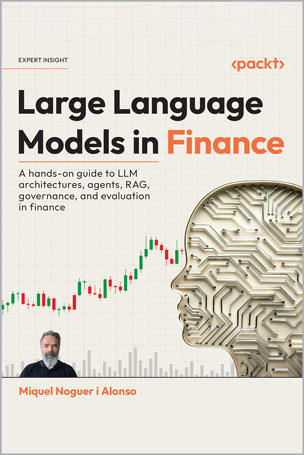
A hands-on guide to LLM architectures, agents, RAG, governance, and evaluation in finance
Miquel Noguer i Alonso
#Large_Language_Models
#Finance
#LLM
#RAG
#Python
#MCP
#LoRA
#QLoRA
#RLHF
#DPO
📈 مدلهای زبانی بزرگ در امور مالی
🤖 سیستمهای Large Language Model یا LLM آماده پروداکشن برای حوزه مالی بساز. یاد بگیر چطور LLMها، سیستمهای Retrieval-Augmented Generation یا RAG و AI Agentها رو برای معاملهگری، بانکداری، مدیریت ریسک، Compliance و پژوهش مالی طراحی، Fine-Tune، ارزیابی، Govern و دیپلوی کنی؛ با تکیه بر ریاضیات دقیق، کدهای عملی و Case Studyهای واقعی.
✨ ویژگیهای کلیدی
🏗️ سیستمهای LLM مالی آماده پروداکشن رو با RAG، Fine-Tuning، AI Agentها و MCP میسازی
💹 LLMها رو در معاملهگری، پژوهش سرمایهگذاری، بانکداری، ریسک، تقلب، Compliance و پردازش اسناد به کار میگیری
🧠 مدلهای Reasoning، هوش مصنوعی چندوجهی، LLMهای سری زمانی و ایجنتهای مالی خودمختار رو بررسی میکنی
📘 توضیح کتاب
🌐 مدلهای زبانی بزرگ در حال تغییر دادن صنعت مالی هستن، اما استفاده واقعی از اونها در پروداکشن خیلی فراتر از Prompt Engineering میره. AI مالی باید بتونه روی اعداد استدلال کنه، با دادههای حساس به زمان کار کنه، از نشت داده جلوگیری کنه، قابلیت Audit داشته باشه و در چارچوب سختگیرانه مقررات و Model Risk فعالیت کنه.
🧩 کتاب LLMs in Finance یک راهنمای انتهابهانتها برای طراحی، ارزیابی، Governance و دیپلوی سیستمهای مبتنی بر مدل زبانی در ورکفلوهای مالی ارائه میده.
🧠 ابتدا مبانی Transformerها، Embeddingها، Attention، Prompting، RAG و Fine-Tuning رو یاد میگیری و بعد اونها رو در سناریوهایی مثل پژوهش سرمایهگذاری، پشتیبانی از معاملات، عملیات بانکی، شناسایی تقلب، اعتبارسنجی، KYC، AML، Compliance و Document Intelligence به کار میگیری.
🤖 کتاب همینطور نشون میده چطور ایجنتهای مالی طراحی کنی که از Toolها، Memory، Retrieval، Orchestration و نظارت انسانی استفاده کنن تا تسکهای پیچیده رو بهشکل امن انجام بدن.
⏱️ موضوعهایی مثل کاربردهای سری زمانی، آلودگی Backtest، کنترل Hallucination، Temporal Validation، Model Risk، Monitoring و الزامات قانونی هم بررسی میشن تا از اشتباههایی که سیستمهای AI مالی رو غیرقابلاعتماد میکنن جلوگیری کنی.
🐍 مثالهای عملی Python، Case Studyها و یک Repository همراه در GitHub کمک میکنن از تئوری به پیادهسازی واقعی برسی. تا پایان کتاب، میتونی سیستمهای LLM مالی مقیاسپذیر، قابلممیزی و آماده پروداکشن بسازی که با محدودیتهای واقعی کسبوکار و قوانین هماهنگ باشن.
🎯 چیزهایی که یاد میگیری
🧠 مبانی LLMها رو برای کاربردهای مالی درک میکنی
🏗️ سیستمهای LLM مالی رو از مرحله Ingestion داده تا دیپلوی میسازی
🔧 مدلها رو با LoRA، QLoRA، RLHF و DPO Fine-Tune میکنی
📚 پایپلاینهای RAG برای اسناد و دانش مالی طراحی میکنی
🤖 ایجنتهای خودمختار و ورکفلوهای Multi-Agent برای حوزه مالی میسازی
🔌 LLMها رو با استفاده از MCP و سیستمهای Enterprise بهشکل امن یکپارچه میکنی
💹 LLMها رو در معاملهگری، بانکداری، ریسک، تقلب، KYC و AML به کار میگیری
📊 سیستمهای AI مالی قابلممیزی رو با Metricهای دقیق ارزیابی و Govern میکنی
👤 این کتاب برای چه کسانیه؟
📈 این کتاب برای Data Scientistها، Quantitative Analystها، مدیرهای پورتفوی، معاملهگرها، دولوپرهای FinTech، AI Engineerها، Software Architectها، متخصصهای بانکداری، Compliance Specialistها، نهادهای قانونگذار، پژوهشگرها و دانشجوهای تحصیلات تکمیلی نوشته شده که میخوان Large Language Modelها رو در حوزه مالی به کار بگیرن.
📌 برای استفاده از کتاب، داشتن درک پایهای از Python، Machine Learning و بازارهای مالی لازمه.
🔬 کتاب هم برای متخصصهایی مناسبه که سیستمهای AI واقعی در پروداکشن میسازن و هم برای پژوهشگرهایی که به مبانی ریاضی LLMهای مالی علاقه دارن.
📖 فهرست مطالب
فصل ۱. مقدمهای بر Large Language Modelها
فصل ۲. مبانی و طراحی سیستمهای LLM مالی
فصل ۳. Fine-Tuning مدلهای LLM برای امور مالی
فصل ۴. Retrieval-Augmented Generation برای تسکهای مالی
فصل ۵. معماریها و کاربردهای LLM Agentها در امور مالی
فصل ۶. Model Context Protocol و فراخوانی امن Toolها در سیستمهای مالی
فصل ۷. کاربردهای LLMها در امور مالی
فصل ۸. اسناد مالی و خدمات مشاورهای
فصل ۹. Reinforcement Learning در LLMها
فصل ۱۰. زیرساخت و پرفورمنس
فصل ۱۱. اخلاق، Governance و Compliance. یک فریمورک جامع برای LLMهای مالی
فصل ۱۲. نوآوریهای ریاضی و شواهد تجربی
فصل ۱۳. موضوعهای پیشرفته. Reasoning، Multimodality و LLMهای سری زمانی در امور مالی
فصل ۱۴. مرزهای Generative AI. از مدلهای پیشبینیگر تا ایجنتهای اقتصادی خودمختار
فصل ۱۵. مبانی فنی و منابع عملی
👤 درباره نویسنده
👨💼 میکل نوگر ای آلونسو متخصص باسابقه امور مالیه و بیش از ۳۰ سال تجربه در Quantitative Finance داره.
🏦 او یکی از همبنیانگذارهای Artificial Intelligence Finance Institute یا AIFI است و در مؤسسههای مالی بزرگی سمتهای ارشد داشته؛ از جمله Executive Director در UBS و Chief Investment Officer در Andbank.
🎓 میکل در حوزه دانشگاهی هم فعاله و دورههای AI و FinTech رو در NYU، Columbia University و چند مؤسسه معتبر دیگه تدریس میکنه.
📚 او مدرک MBA و کارشناسی مدیریت کسبوکار از ESADE و دکترای Quantitative Finance از UNED داره.
🔬 میکل مقالههای متعددی درباره کاربرد AI در امور مالی منتشر کرده و یکی از Co-Editorهای Journal of Machine Learning in Finance است.
Build production-grade Large Language Model systems for finance. Learn how to design, fine-tune, evaluate, govern, and deploy LLMs, Retrieval-Augmented Generation (RAG), and AI agents for trading, banking, risk management, compliance, and financial research using rigorous mathematics, practical code, and real-world case studies.
Large language models are reshaping finance, but production use demands far more than prompt engineering. Financial AI must reason over numbers, work with time-sensitive data, avoid leakage, support auditability, and operate within strict regulatory and model-risk controls.
LLMs in Finance provides an end-to-end guide to designing, evaluating, governing, and deploying language-model systems for financial workflows. You will learn the foundations of transformers, embeddings, attention, prompting, retrieval-augmented generation, and fine-tuning, then apply them to investment research, trading support, banking operations, fraud detection, credit, KYC, AML, compliance, and document intelligence.
The book also shows how to design financial agents that use tools, memory, retrieval, orchestration, and human oversight to complete complex tasks safely. Coverage of time-series applications, backtesting contamination, hallucination control, temporal validation, model risk, monitoring, and regulatory expectations helps you avoid the mistakes that make financial AI unreliable.
Practical Python examples, case studies, and a companion GitHub repository help you move from theory to implementation. By the end, you will be able to build scalable, auditable, production-ready LLM systems aligned with real business and regulatory constraints.
This book is written for data scientists, quantitative analysts, portfolio managers, traders, fintech developers, AI engineers, software architects, banking professionals, compliance specialists, regulators, researchers, and graduate students who want to apply Large Language Models to finance.
Readers should have a fundamental understanding of Python programming, machine learning, and financial markets. The book is equally suitable for practitioners building production AI systems and researchers interested in the mathematical foundations of financial LLMs.
Chapter 1: Introduction to Large Language Models
Chapter 2: Foundations and System Design of Financial LLMs
Chapter 3: Fine-Tuning LLMs for Finance
Chapter 4: Retrieval-Augmented Generation for Financial Tasks
Chapter 5: Architectures and Applications of LLM Agents in Finance
Chapter 6: Model Context Protocol and Hardened Tool Invocation in Financial Systems
Chapter 7: Applications of LLMs in Finance
Chapter 8: Financial Documents and Advisory
Chapter 9: Reinforcement Learning in LLMs
Chapter 10: Infrastructure and Performance
Chapter 11: Ethics, Governance, and Compliance: A Comprehensive Framework for Financial LLMs
Chapter 12: Mathematical Innovations and Empirical Evidence
Chapter 13: Advanced Topics: Reasoning, Multimodality, and Time Series LLMs in Finance
Chapter 14: The Generative Frontier: From Predictive Models to Autonomous Economic Agents
Chapter 15: Technical Foundations and Practical Resources
About the Author
Miquel Noguer i Alonso is a seasoned finance professional with over 30 years of experience in quantitative finance. He co-founded the Artificial Intelligence Finance Institute (AIFI) and has held senior positions at leading financial institutions, including serving as Executive Director at UBS and Chief Investment Officer at Andbank. Miquel is also an active academic, teaching AI and fintech courses at NYU, Columbia University, and other top institutions. He holds an MBA and a degree in business administration from ESADE, as well as a PhD in quantitative finance from UNED. Miquel has published extensively on AI in finance and is a co-editor of the Journal of Machine Learning in Finance.