ثبت نام / ورود
0
ثبت نام / ورود
0
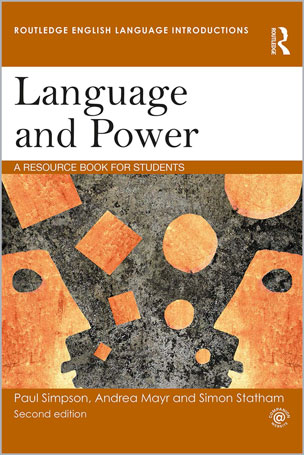
A Resource Book for Students
Paul Simpson, Andrea Mayr, Simon Statham
#Language
#Power
#Discourse
#politics
📘 سری Routledge English Language Introductions حوزههای اصلی مطالعهٔ زبان را پوشش میدهد و بهعنوان منابعی جامع و یکپارچه برای دانشجویان طراحی شده است.
📚 با فرض عدم نیاز به پیشدانش قبلی، کتابهای این مجموعه یک مرور قابلفهم و در دسترس از موضوع ارائه میدهند و در عین حال شامل فعالیتها، پرسشهای مطالعاتی، نمونه تحلیلها، توضیحات و متون کلیدی هستند—همگی در یک مجلد واحد. ساختار نوآورانه و انعطافپذیر «دوبعدی» آن بر چهار بخش استوار است: مقدمه، توسعه، کاوش و گسترش، که مراحل مطالعهای مستقل را فراهم میکنند. همچنین هر موضوع میتواند در امتداد این بخشها دنبال شود و به خواننده امکان میدهد دانش خود را بهتدریج تعمیق بخشد.
📖 کتاب زبان و قدرت، ویرایش دوم بهطور کامل بازنگری و بهروزرسانی شده و شامل موارد زیر است:
🧠 یک بررسی جامع از شیوههایی که در آن زبان با ابعاد اجتماعی، فرهنگی و سیاسی قدرت درهمتنیده میشود؛
📘 یک مقدمه بر تاریخچهٔ این حوزه، شامل همهٔ رویکردهای اصلی، مفاهیم نظری و روشهای تحلیل در این عرصهٔ مهم و در حال گسترش مطالعات دانشگاهی؛
📚 پوشش تمامی موضوعات «سنتی» مانند نژاد، جنسیت و قدرت نهادی، و همچنین موضوعات جدیدتر مانند گفتمان پساحقیقت و قدرت رسانههای اجتماعی؛
📖 گزیدههایی از آثار چهرههای برجستهٔ این حوزه مانند رابین لاکاف، دبورا کامرون و تئون فان دایک؛
🧾 استفاده از متون و نمونههای واقعی در سراسر کتاب، از جمله تبلیغات شرکتهای لوازم آرایشی، مقالات و تیترهای روزنامهها، وبسایتها و رسانههای اینترنتی، و گفتارهایی مانند سخنرانیهای سیاسی و ریاستجمهوری؛
🌐 یک وبسایت همراه آموزشی که برای به چالش کشیدن دانشجویان در سطح پیشرفته طراحی شده و شامل خوانشهای تکمیلی، تمرینها، فعالیتهای پیگیری و پیشنهادهایی برای مطالعات بیشتر است.
📘 زبان و قدرت مطالعهای ضروری برای دانشجویان رشتهٔ زبان انگلیسی یا زبانشناسی محسوب میشود.
📑 فهرست مطالب
🧩 A. مقدمه: موضوعات کلیدی در مطالعهٔ زبان و قدرت
🧩 B. توسعه: رویکردهای مطالعهٔ زبان و قدرت
🧩 C. کاوش: تحلیل زبان و قدرت
🧩 D. گسترش: متون خواندنی در زبان و قدرت
👤 دربارهٔ نویسندگان
📚 پال سیمپسون استاد زبان انگلیسی و رئیس دپارتمان انگلیسی در دانشگاه لیورپول، بریتانیا است و در حوزههای سبکشناسی، کاربردشناسی و زبانشناسی انتقادی پژوهش و تدریس میکند.
📚 آندریا مایر مدرس زبان انگلیسی نوین و زبانشناسی در دانشگاه کوئینز بلفاست است و در زمینهٔ گفتمان رسانهای و تحلیل گفتمان انتقادی چندوجهی فعالیت دارد.
📚 سایمون استاتهام مدرس زبان انگلیسی و زبانشناسی در دانشگاه کوئینز بلفاست است و در حوزههای سبکشناسی، زبانشناسی انتقادی و زبان و قانون پژوهش میکند.
Routledge English Language Introductions cover core areas of language study and are one-stop resources for students.
Assuming no prior knowledge, books in the series offer an accessible overview of the subject, with activities, study questions, sample analyses, commentaries and key readings – all in the same volume. The innovative and flexible ‘two-dimensional’ structure is built around four sections – introduction, development, exploration and extension – which offer self-contained stages for study. Each topic can also be read across these sections, enabling the reader to build gradually on the knowledge gained.
Language and Power, Second Edition has been completely revised and updated and includes:
Language and Power will be essential reading for students studying English language or linguistics.
Table of Contents
A INTRODUCTION: KEY TOPICS IN THE STUDY OF LANGUAGE AND POWER
1 Language and power
2 The discourse of institutions and organizations
3 Power and talk
4 Language and gender
5 Language and race
6 Humour, language and power
7 Language and the law
8 Language and advertising
9 Language in the new capitalism
10 Language and politics
11 The discourse of social media
12 The discourse of ‘post-truth’
B DEVELOPMENT: APPROACHES TO THE STUDY OF LANGUAGE AND POWER
1 Critical Linguistics and Critical Discourse Analysis
2 Registers of discourse
3 Studying spoken discourse
4 Gender and power: using the transitivity model
5 The representation of social actors
6 The discourse of humour and irony
7 Developments in forensic discourse analysis
8 Advertising discourse: methods for analysis
9 Language and new capitalism: developments
10 Studying political discourse: developments
11 The language of a social media campaign
12 Post-truth and Critical Linguistics
C EXPLORATION: ANALYSING LANGUAGE AND POWER
1 Beginning analysis
2 Exploring register and ideology
3 Power and resistance in spoken discourse
4 Analysing gender
5 A workshop on the representation of social actors
6 Analysing humour and power
7 Exploring forensic texts
8 Analysing advertisements
9 Analysing the language of new capitalism
10 Analysing political discourse
11 Tweeting politics
12 ‘Truth’ and mediated reactions
D EXTENSION: READINGS IN LANGUAGE AND POWER
1 Critical Linguistics (Roger Fowler and Gunther Kress)
2 Bureaucracy and social control (Srikant Sarangi and Stefaan Slembrouck)
3 Power and resistance in police interviews (Kate Haworth)
4 Masculinity and men’s magazines (Bethan Benwell)
5 Discourse and the denial of racism (Teun van Dijk)
6 Humour and hatred (Michael Billig)
7 Forensic Linguistics (Malcolm Coulthard)
8 Language, style and lifestyle (David Machin and Theo van Leeuwen)
9 Language in the global service economy (Deborah Cameron)
10 Critical Metaphor Analysis (Jonathan Charteris-Black)
11 Social media online campaigns (Innocent Chiluwa and Presley Ifukor)
12 Populism and post-truth politics (Robin Tolmach Lakoff)
Further reading
About the Authors
Paul Simpson is Professor of English Language and Head of English at the University of Liverpool, UK, where he teaches and researches in stylistics, pragmatics, critical linguistics and related fields of study.
Andrea Mayr is Lecturer in Modern English Language and Linguistics at Queen’s University Belfast, UK, where she teaches and researches in media discourse and in multimodal critical discourse analysis.
Simon Statham is Lecturer in English Language and Linguistics at Queen’s University Belfast, UK, where he teaches and researches in stylistics, critical linguistics and language and the law.