ثبت نام / ورود
0
ثبت نام / ورود
0
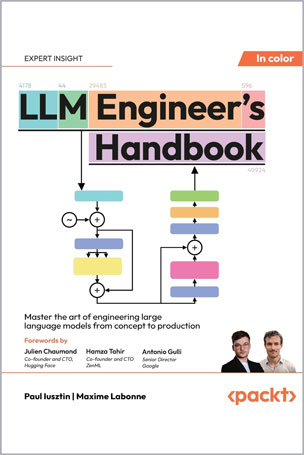
Master the art of engineering large language models from concept to production
Paul Iusztin, Maxime Labonne
#LLMs
#LLMOps
#IaC
#Large_language_models
#AWS
#Python
#RAG
💻 با این راهنمای کاربردی که شما رو از مفاهیم پایه تا دپلوی اپلیکیشنهای پیشرفته با استفاده از بهترین شیوههای LLMOps پیش میبره، قدم به دنیای LLMها بگذارید.
«این کتاب نقشی حیاتی در این زمینه ایفا میکنه که مطمئن بشیم تا حد ممکن افراد زیادی نه تنها میتونند از LLMها استفاده کنند، بلکه میتونند اونها رو تطبیق بدن، فاینتیون کنند، کوانتیزه کنند و به اندازه کافی کارآمدشون کنند تا در دنیای واقعی دپلوی بشن.»
— جولین چاموند، مدیر ارشد فناوری (CTO) و همبنیانگذار هاگینگ فیس (Hugging Face)
📖 توضیحات کتاب
📘 این کتاب دیدگاههای کاربردی رو برای طراحی، آموزش و دپلوی LLMها در سناریوهای دنیای واقعی با بهرهگیری از بهترین شیوههای MLOps ارائه میده. این راهنما شما رو در مسیر ساخت یک همزاد (Twin) قدرتگرفته از LLM همراهی میکنه که مقرونبهصرفه، مقیاسپذیر و ماژولار است. کتاب فراتر از نوکبوکهای ژوپیتر (Jupyter Notebooks) ایزوله حرکت میکنه و روی نحوه ساخت سیستمهای LLM اندتوانیو در گرید پروداکشن تمرکز داره.
🌐 در طول این کتاب، شما مهندسی داده، فاینتیونینگ نظارتشده (Supervised Fine-tuning) و دپلویمنت رو یاد میگیرید. رویکرد عملی کتاب برای ساخت یوزکیس همزاد LLM به شما کمک میکنه تا کامپواننتهای MLOps رو در پروژههای خودتون پیادهسازی کنید. شما همچنین پیشرفتهای پیشرو در این حوزه رو کاوش میکنید، از جمله بهینهسازی اینفرنس (Inference Optimization)، تراز ترجیحات (Preference Alignment) و پردازش بیدرنگ دادهها (Real-time Data Processing) که این اثر رو به یک منبع حیاتی برای کسانی که به دنبال اعمال LLMها در پروژههای خود هستند تبدیل میکنه.
📝 آنچه یاد خواهید گرفت
⚙️ پیادهسازی پایپلاینهای داده قوی و مدیریت چرخههای آموزش LLM
🛠️ ساخت LLM اختصاصی خود و اصلاح آن با کمک مثالهای عملی
🚀 شروع کار با LLMOps با عمیق شدن در اصول کلیدی MLOps مانند IaC (زیرساخت به عنوان کد)
📊 انجام فاینتیونینگ نظارتشده و ارزیابی LLM
📐 دپلوی راهکارهای اندتوانیو LLM با استفاده از AWS و ابزارهای دیگر
🔄 کاوش در آموزش مداوم (Continuous Training)، مانیتورینگ و اتوماسیون منطقی
📥 یادگیری درباره اینجکشن در RAG و همچنین پایپلاینهای اینفرنس و ویژگی (Feature Pipelines)
👥 این کتاب برای چه کسی است
🎯 این کتاب برای مهندسان هوش مصنوعی، متخصصان پردازش زبان طبیعی (NLP) و مهندسان LLM است که میخواهند درک خود رو از LLMها عمیقتر کنند. داشتن دانش پایه از LLMها، چشمانداز هوش مصنوعی مولد، پایتون و AWS توصیه میشه. چه در حوزه هوش مصنوعی تازه کار باشید و چه به دنبال ارتقای مهارتهای خودتون باشید، این کتاب راهنمایی جامعی رو برای پیادهسازی LLMها در سناریوهای دنیای واقعی ارائه میده.
🗂️ فهرست مطالب
👤 درباره نویسندگان
👨 پاول ایوزتین یک مهندس ارشد یادگیری ماشین و MLOps در متافیزیک (Metaphysic)، یک پلتفرم پیشرو در هوش مصنوعی مولد است، که به عنوان یکی از مهندسان اصلی اونها در بردن محصولات یادگیری عمیق به محیط پروداکشن فعالیت میکنه. او با بیش از هفت سال تجربه، راهکارهای هوش مصنوعی مولد، کامپیوتر ویژن و MLOps رو برای شرکتهایی مثل CoreAI ،Everseen و Continental ساخته است. پاشن و ماموریت او ساخت محصولات هوش مصنوعی دادهمحور است که به دنیا سرویس بدن و به دیگران درباره این فرآیند آموزش بدن. او به عنوان بنیانگذار کانال Decoding ML (که محتوای تستشده در دنیای واقعی رو برای طراحی، کدنویسی و دپلوی مدلهای یادگیری ماشین پروداکشن ارائه میده)، به طور قابل توجهی جامعه مهندسی و MLOps رو غنی کرده است.
👨 ماکسیم لابان یک دانشمند یادگیری ماشین ارشد در شرکت لیکوئید ایآی (Liquid AI) است که به عنوان رئیس بخش پسازآموزش (Post-training) فعالیت میکنه. او دارای مدرک دکترا در یادگیری ماشین از انستیتو پلیتکنیک پاریس است و به عنوان گوگل دولوپر اکسپرت (GDE) در هوش مصنوعی شناخته میشود. او یک بلاگر فعال است و مشارکتهای بزرگی در جامعه متنباز داشته است، از جمله دوره آموزشی LLM در گیتهاب، ابزارهایی مانند LLM AutoEval و چندین مدل پیشرو مانند NeuralBeagle و Phixtral. او همچنین نویسنده کتاب پرفروش Hands-On Graph Neural Networks Using Python است.
Step into the world of LLMs with this practical guide that takes you from the fundamentals to deploying advanced applications using LLMOps best practices
“This book is instrumental in making sure that as many people as possible can not only use LLMs but also adapt them, fine-tune them, quantize them, and make them efficient enough to deploy in the real world.”- Julien Chaumond, CTO and Co-founder, Hugging Face
This LLM book provides practical insights into designing, training, and deploying LLMs in real-world scenarios by leveraging MLOps' best practices. The guide walks you through building an LLM-powered twin that’s cost-effective, scalable, and modular. It moves beyond isolated Jupyter Notebooks, focusing on how to build production-grade end-to-end LLM systems.
Throughout this book, you will learn data engineering, supervised fine-tuning, and deployment. The hands-on approach to building the LLM twin use case will help you implement MLOps components in your own projects. You will also explore cutting-edge advancements in the field, including inference optimization, preference alignment, and real-time data processing, making this a vital resource for those looking to apply LLMs in their projects.
This book is for AI engineers, NLP professionals, and LLM engineers looking to deepen their understanding of LLMs. Basic knowledge of LLMs and the Gen AI landscape, Python and AWS is recommended. Whether you are new to AI or looking to enhance your skills, this book provides comprehensive guidance on implementing LLMs in real-world scenarios.
Paul Iusztin is a senior ML and MLOps engineer at Metaphysic, a leading GenAI platform, serving as one of their core engineers in taking their deep learning products to production. Along with Metaphysic, with over seven years of experience, he built GenAI, Computer Vision and MLOps solutions for CoreAI, Everseen, and Continental. Paul's determined passion and mission are to build data-intensive AI/ML products that serve the world and educate others about the process. As the Founder of Decoding ML, a channel for battle-tested content on learning how to design, code, and deploy production-grade ML, Paul has significantly enriched the engineering and MLOps community. His weekly content on ML engineering and his open-source courses focusing on end-to-end ML life cycles, such as Hands-on LLMs and LLM Twin, testify to his valuable contributions.
Maxime Labonne is a Senior Staff Machine Learning Scientist at Liquid AI, serving as the head of post-training. He holds a Ph.D. in Machine Learning from the Polytechnic Institute of Paris and is recognized as a Google Developer Expert in AI/ML. An active blogger, he has made significant contributions to the open-source community, including the LLM Course on GitHub, tools such as LLM AutoEval, and several state-of-the-art models like NeuralBeagle and Phixtral. He is the author of the best-selling book “Hands-On Graph Neural Networks Using Python,” published by Packt.