ثبت نام / ورود
0
ثبت نام / ورود
0
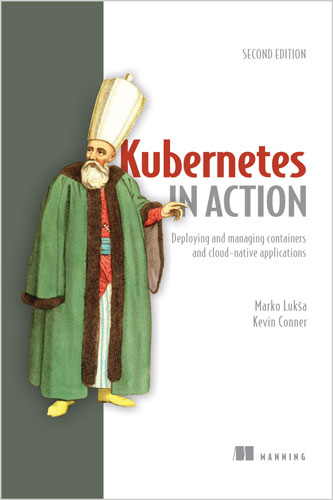
Deploying and managing containers and cloud-native applications
Marko Lukša, Kevin Conner
#Kubernetes
#in_Action
#OpenShift
#Docker
#helmsman
#ReplicaSets
#CronJobs
#ConfigMaps
#Jobs
📘 کتاب کوبرنتیز در عمل
💻 دهها هزار برنامهنویس با همین کتاب "کوبرنتیز در عمل" یاد گرفتن چطوری یه محیط Kubernetes رو بالا بیارن و مدیریت کنن. این نسخه جدید (ویرایش دوم)، کلاً آپدیت شده و خیلی عمیقتر وارد معماری سیستم شده؛ مخصوصاً روی بحث Kubernetes API و جزئیات دیپلوی کردن اپلیکیشنها حسابی مانور داده.
☁️ این روزا که همه دارن میرن سمت معماریهای Cloud-native و استفاده از کانتینر، دیگه یاد گرفتن Kubernetes واسه ما توسعهدهندهها از نون شب واجبتر شده. این کتاب قشنگ از صفرِ تکنولوژی کانتینر شروع میکنه و میره جلو، کلی هم نکته کاربردی برای دیپلوی و عملیات (Ops) داره. از همون اول که کلاستر اولت رو میسازی، قدمبهقدم یاد میگیری چطوری اپلیکیشن رو بزرگ کنی و قابلیتهای جدید بهش اضافه کنی تا با معماری سیستم کاملاً آشنا بشی.
📌 توی این کتاب این موارد رو یاد میگیری:
🛠️ راه انداختن و کار با Kubernetes
🚀 دیپلوی کردن کانتینرها روی کلاستر
🔒 امنسازی کلاسترها
🔄 آپدیت کردن اپلیکیشنها بدون حتی یک لحظه قطعی (Zero downtime)
🏗️ درباره تکنولوژی
⚙️ در واقع Kubernetes الان دیگه استاندارد اصلی برای دیپلوی کردن اپلیکیشنهای توزیعشده است. مثل یه سیستمعامل برای کانتینرها و کلاسترها عمل میکنه و باعث میشه دیگه لازم نباشه درگیر جزئیات ریز شبکه و زیرساخت سرور بشی. میلیونها برنامهنویس و معمار نرمافزار دارن روزانه ازش استفاده میکنن و واقعاً یکی از اون مهارتهای ضروری توی دنیای نرمافزارهای سازمانیه.
📖 درباره کتاب
📚 کتاب "کوبرنتیز در عمل" (ویرایش دوم) دقیقاً همون منبع کاملیه که برای توسعه و دیپلوی نرمافزار لازم داری. نویسنده اومده نسخه اول رو که خیلی هم پرفروش بود برداشته و کلاً بازنویسی کرده تا با متدهای روز همخوانی داشته باشه؛ مخصوصاً در مورد ساختاردهی به اپلیکیشنها و کار با Kubernetes API. بقیه موارد مهم مثل کانفیگها، متصل کردن استوریج، اسکیل کردن و نگهداری سیستم بدون داونتایم هم کامل توضیح داده شده.
🔍 داخل کتاب چه خبره؟
✅ بالا آوردن و کار با Kubernetes
✅ دیپلوی کانتینرها روی کلاستر
✅ آپدیت کردن اپلیکیشنها بدون زمان خرابی
👤 مخاطب کتاب
👨💻 این کتاب برای برنامهنویسهای سطح متوسط نوشته شده. اصلاً هم لازم نیست از قبل چیزی درباره Kubernetes یا کانتینرها بدونی.
👥 چه کسانی باید این کتاب رو بخونن؟
🎯 مخاطب اصلی این کتاب برنامهنویسها و ادمینهای سیستم هستن که میخوان اپلیکیشنهاشون رو روی Kubernetes کانتینری و اجرا کنن. فرقی نمیکنه تازهکار باشی یا باسابقه، چون مطالب از پایه و با مثالهای خیلی ساده و روون توضیح داده شده و پیشفرض رو بر این نگذاشته که تو همین الان متخصص هستی. فقط کافیه یه درک کلی از برنامهنویسی، شبکه، کار با ترمینال لینوکس و پروتکلهای معروفی مثل HTTP داشته باشی.
📑 فهرست مطالب
بخش ۱: شروع کار
بخش ۲: اجرای اپلیکیشنها در کوبرنتیز
5. اجرای اپلیکیشنها با پادها
6. مدیریت چرخه عمر پاد و سلامت کانتینر
7. سازماندهی پادها و منابع با استفاده از نیماسپیسها و لیبلها
بخش ۳: کانفیگ اپلیکیشن و استوریج
8. تنظیمات اپلیکیشن با کانفیگمپها و سکرتها
9. اضافه کردن والیومها برای ذخیرهسازی و متادیتا
10. ذخیره دائمی دادهها با پرسیستنتوالیومها
بخش ۴: شبکه و دسترسی به اپلیکیشنها
11. دسترسی به پادها از طریق سرویسها
12. استفاده از اینگرس برای مسیردهی ترافیک
13. مدیریت ترافیک با گیتوی ایپیآی
بخش ۵: مدیریت اپلیکیشنها در مقیاس بالا
14. اسکیل کردن و نگهداری پادها با رپلیکاستها
15. خودکارسازی آپدیتها با استفاده از دیپلویمنتها
16. مدیریت اپلیکیشنهای استیتفول
17. اجرای تسکها روی تکتک نودها با دیمنستها
18. پردازشهای دستهای با جابها و کرونجابها
✍️ درباره نویسندگان
👨🔬 مارکو لوکسا توی تیم فعالسازی ابری کلاه قرمز مهندسه و کارش اینه که محصولات این شرکت رو روی اپنشیفت (که خودش روی کوبرنتیز سواره) راه بندازه. ۱۵ سال هم سابقه تدریس داره، واسه همین قشنگ میدونه چطوری مفاهیم سخت رو به سادهترین شکل توضیح بده.
👨💼 کوین کانر هم یکی از اون مدیرهای ارشد مهندسیه که بالای ۳۰ سال سابقه کد زدن داره و ۱۷ سال هم تیمهای بزرگ رو مدیریت کرده. تخصص اصلیش سیستمهای توزیعشده و تکنولوژیهای ابریه.
Tens of thousands of developers have learned how to develop and run a Kubernetes environment from Kubernetes in Action. This new second edition updates the definitive guide with new, in-depth coverage of the Kubernetes architecture, including the Kubernetes API, and then ins-and-outs of application deployment.
As more and more applications are created using cloud-native and container-based architectures, Kubernetes has become an essential tool for modern developers to master. This book lays out a complete introduction to container technologies and containerized applications along with practical tips for efficient deployment and operation. From building your first cluster, you’ll steadily expand your initial application, adding features and deepening your knowledge of Kubernetes architecture.
In this book, you’ll find:
• Up and running with Kubernetes
• Deploying containers across a cluster
• Securing clusters
• Updating applications with zero downtime
About the technology
Kubernetes is the de facto standard for deploying containerized distributed applications. This powerful platform acts as an operating system for containers and clusters, reducing the need to micro-manage network and server infrastructure. Used daily by millions of developers, administrators, and architects, Kubernetes is must-know enterprise software.
About the book
Kubernetes in Action, Second Edition is the definitive guide to developing and deploying software with Kubernetes. Built on the bestselling first edition, this end-to-end revision provides up-to-date coverage on structuring Kubernetes-based applications and taking advantage of the Kubernetes API. You’ll also discover other key topics like configuration, attaching storage, scaling, and zero-downtime maintenance.
What's inside
• Up and running with Kubernetes
• Deploying containers across a cluster
• Updating applications with zero downtime
About the reader
Written for intermediate software developers. No prior experience with Kubernetes or containers is required.
Who Should Read This Book
Kubernetes in Action, Second Edition is primarily for application developers and system administrators who want to build, containerize, and run applications on Kubernetes. The book is suitable for both beginners and experienced engineers—no prior knowledge of containers or Kubernetes is required. The concepts are introduced progressively, from the basics onward through straightforward examples that don’t assume deep expertise. Readers should have a basic understanding of programming, computer networking, Linux command-line usage, and common protocols such as HTTP.
Table of Contents
Part 1: Getting started
1. Introducing Kubernetes
2. Understanding containers and containerized applications
3. Deploying your first application on Kubernetes
4. Navigating the Kubernetes API and object model
Part 2: Running applications in Kubernetes
5. Running applications with pods
6. Managing the pod life cycle and container health
7. Organizing pods and other resources using namespaces and labels
Part 3: Application configuration and storage
8. Configuring applications with ConfigMaps and Secrets
9. Adding volumes for storage, configuration, and metadata
10. Persisting data with PersistentVolumes
Part 4: Connecting and exposing applications
11. Exposing pods with services
12. Using Ingress to route traffic to services
13. Routing traffic using the Gateway API
Part 5: Managing applications at scale
14. Scaling and maintaining pods with ReplicaSets
15. Automating application updates with Deployments
16. Handling stateful applications with StatefulSets
17. Deploying per-node workloads with DaemonSets
18. Batch processing with Jobs and CronJobs
About the Authors
Marko Luksa is a software engineer at Red Hat with the Cloud Enablement Team, whose responsibility is to make Red Hat's Enterprise Middleware products run on OpenShift, the PaaS platform built on top of Kubernetes. He also has 15 years of teaching others, helping him understand the learner's perspective and how to present difficult topics in a clear and understandable way.
Kevin Conner is a senior engineering leader with over 30 years of software development experience and more than 17 years of building and managing global engineering teams. He specializes in distributed systems, cloud technologies, and Kubernetes.