ثبت نام / ورود
0
ثبت نام / ورود
0
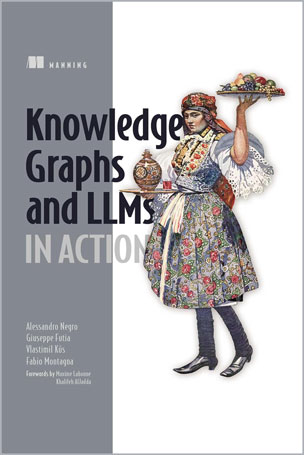
Alessandro Negro, Vlastimil Kus, Giuseppe Futia, Fabio Montagna
#LLMs
#LangGraph
#GNNs
#NED
#RAG
#AI
🤖 با ترکیب گرافهای دانش و مدلهای زبانی بزرگ، راهحلهای هوش مصنوعی قدرتمند، قابلاعتماد و قابلتوضیح بسازید
گرافهای دانش، روابط میان اشیا، رویدادها، موقعیتها و مفاهیم را در یک دامنه مدلسازی میکنند تا بتوانید الگوهای پنهان در دادههای خود را آشکار کرده و تصمیمات دقیقتری بگیرید. زمانی که این گرافها با مدلهای زبانی بزرگ (LLM) ترکیب شوند، فرصتهای عظیمی برای تحلیل دادههای ساختیافته و غیرساختیافته، ساخت سیستمهای توصیهگر، شناسایی تقلب، یا طراحی چتباتهای هوشمند فراهم میشود.
📘 در کتاب «Knowledge Graphs and LLMs in Action» یاد میگیرید چگونه دادهها را سازماندهی کنید، گرافهای دانش بسازید و آنها را در تعامل دوطرفه با مدلهای زبانی بزرگ به کار گیرید.
این کتاب با ترکیب تئوری و تمرین، به شما میآموزد چگونه از گرافهای دانش در کنار LLMها برای ساخت سامانههای هوشمند واقعی استفاده کنید — از طراحی الگوریتمهای توصیهگر گرفته تا تحلیل دادههای پزشکی و کشف تقلب در حوزه مالی.
مناسب برای مهندسان یادگیری ماشین، متخصصان داده و پژوهشگران هوش مصنوعی — با مثالهایی در پایتون.
📚 فهرست مطالب
1.گرافهای دانش و مدلهای زبانی بزرگ: ترکیبی قدرتمند
2.سیستمهای هوشمند: رویکردی هیبریدی
بخش 2: ساخت گرافهای دانش از دادههای ساختیافته
3.ساخت نخستین گراف دانش با استفاده از آنتولوژیها
4.از شبکههای ساده تا یکپارچهسازی چندمنبعی
بخش 3: ساخت گرافهای دانش از متون
5.استخراج دانش حوزهمحور از دادههای غیرساختیافته
6.ساخت گرافهای دانش با مدلهای زبانی بزرگ
7.رفع ابهام موجودیتهای نامگذاریشده
8.رفع ابهام با LLMهای متنباز و آنتولوژیهای حوزهای
بخش 4: یادگیری ماشین بر روی گرافهای دانش
9.مقدمهای بر یادگیری ماشین در گرافهای دانش
10.مهندسی ویژگی گراف: رویکردهای دستی و نیمهخودکار
11.یادگیری بازنمایی گراف و شبکههای عصبی گرافی
12.طبقهبندی گرهها و پیشبینی پیوندها با GNNها
بخش 5: بازیابی اطلاعات با گرافهای دانش و LLMها
13.تولید تقویتشده با بازیابی مبتنی بر گراف دانش (RAG)
14.پرسوجو از گراف دانش با زبان طبیعی
15.ساخت عامل پرسشوپاسخ با LangGraph
👩🔬 دربارهٔ نویسندگان
الساندرو نِگرو، دانشمند ارشد در شرکت GraphAware است و نویسندهٔ کتاب Graph-Powered Machine Learning. او از بنیانگذاران پلتفرم GraphAware Hume به شمار میرود.
ولاستیمیل کوش، سرپرست دادهکاوی در GraphAware، متخصص در استخراج گرافهای دانش از دادههای متنی با استفاده از NLP و ML است و تمرکز فعلی او بر یادگیری ماشین گرافی و پردازش زبان طبیعی است.
جوزپه فوتیا، دانشمند ارشد داده در GraphAware و پژوهشگر مرکز Nexa است. او دارای دکترای مهندسی کامپیوتر از دانشگاه پلیتکنیک تورین ایتالیاست و بر یادگیری بازنمایی گراف تمرکز دارد.
فابیو مونتانیا، مهندس ارشد یادگیری ماشین در GraphAware است. او با پیشزمینهای در مهندسی نرمافزار، پل ارتباطی میان پژوهش علمی و کاربرد صنعتی بهشمار میرود.
Combine knowledge graphs with large language models to deliver powerful, reliable, and explainable AI solutions.
Knowledge graphs model relationships between the objects, events, situations, and concepts in your domain so you can readily identify important patterns in your own data and make better decisions. Paired up with large language models, they promise huge potential for working with structured and unstructured enterprise data, building recommendation systems, developing fraud detection mechanisms, delivering customer service chatbots, or more. This book provides tools and techniques for efficiently organizing data, modeling a knowledge graph, and incorporating KGs into the functioning of LLMs—and vice versa.
In Knowledge Graphs and LLMs in Action you will learn how to:
• Model knowledge graphs with an iterative top-down approach based in business needs
• Create a knowledge graph starting from ontologies, taxonomies, and structured data
• Build knowledge graphs from unstructured data sources using LLMs
• Use machine learning algorithms to complete your graphs and derive insights from it
• Reason on the knowledge graph and build KG-powered RAG systems for LLMs
In Knowledge Graphs and LLMs in Action, you’ll discover the theory of knowledge graphs then put them into practice with LLMs to build working intelligence systems. You’ll learn to create KGs from first principles, go hands-on to develop advisor applications for real-world domains like healthcare and finance, build retrieval augmented generation for LLMs, and more.
About the technology
Using knowledge graphs with LLMs reduces hallucinations, enables explainable outputs, and supports better reasoning. By naturally encoding the relationships in your data, knowledge graphs help create AI systems that are more reliable and accurate, even for models that have limited domain knowledge.
About the book
Knowledge Graphs and LLMs in Action shows you how to introduce knowledge graphs constructed from structured and unstructured sources into LLM-powered applications and RAG pipelines. Real-world case studies for domain-specific applications—from healthcare to financial crime detection—illustrate how this powerful pairing works in practice. You’ll especially appreciate the expert insights on knowledge representation and reasoning strategies.
What's inside
• Design knowledge graphs for real-world needs
• Build KGs from structured and unstructured data
• Apply machine learning to enrich, complete, and analyze graphs
• Pair knowledge graphs with RAG systems
About the reader
For ML and AI engineers, data scientists, and data engineers. Examples in Python.
Table of Contents
PART 1 FOUNDATIONS OF HYBRID INTELLIGENT SYSTEMS
1 Knowledge graphs and LLMs: A killer combination
2 Intelligent systems: A hybrid approach
PART 2 BUILDING KNOWLEDGE GRAPHS FROM STRUCTURED DATA SOURCES
3 Create your first knowledge graph from ontologies
4 From simple networks to multisource integration
PART 3 BUILDING KNOWLEDGE GRAPHS FROM TEXT
5 Extracting domain-specific knowledge from unstructured data
6 Building knowledge graphs with large language models
7 Named entity disambiguation
8 NED with open LLMs and domain ontologies
PART 4 MACHINE LEARNING ON KNOWLEDGE GRAPHS
9 Machine learning on knowledge graphs: A primer approach
10 Graph feature engineering: Manual and semiautomated approaches
11 Graph representation learning and graph neural networks
12 Node classification and link prediction with GNNs
PART 5 INFORMATION RETRIEVAL WITH KNOWLEDGE GRAPHS AND LLMS
13 Knowledge graph–powered retrieval-augmented generation
14 Asking a KG questions with natural language
15 Building a QA agent with LangGraph
About the Authors
Alessandro Negro is the Chief Scientist at GraphAware. Alessandro has been a speaker at many prominent conferences and is the author of the Manning book Graph-Powered Machine Learning and several scientific publications. He is one of the creators of GraphAware Hume, a mission critical knowledge graph platform.
Vlastimil Kus is the Lead Data Scientist at GraphAware where he contributes to the development of Hume. Over the years he gained significant experience in building and utilizing Knowledge Graphs from unstructured data using NLP and ML techniques in various domains. His current focus is NLP and Graph Machine Learning.
Giuseppe Futia is Senior Data Scientist at GraphAware and a Fellow at the Nexa Center for Internet & Society. He holds a Ph.D. in computer engineering from the Politecnico di Torino (Italy), where he explored Graph Representation Learning techniques to support the automatic building of Knowledge Graphs.
Fabio Montagna is the Lead Machine Learning Engineer at GraphAware. He holds a master’s degree in software engineering from Unisalento (Italy). As a bridge between science and industry, he assists with moving rapidly from scientific reasoning to product value.