ثبت نام / ورود
0
ثبت نام / ورود
0
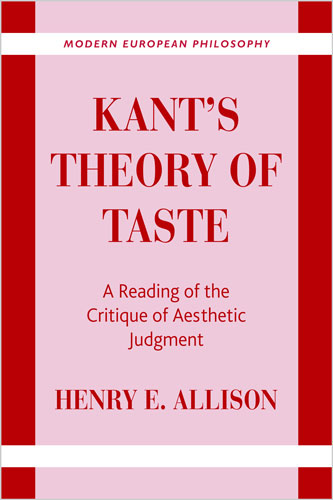
A Reading of the Critique of Aesthetic Judgment
Henry E. Allison
#Kant
#Taste
#Critique
#Aesthetic
#Judgment
📘 این کتاب یکی از مهمترین مشارکتها در پژوهشهای معاصر کانت به شمار میآید. در آن، یکی از برجستهترین مفسران کانت، هنری ای. الیسون، گزارشی جامع، نظاممند و از حیث فلسفی ژرف از تمامی جنبههای دیدگاه کانت دربارهٔ زیباییشناسی ارائه میدهد.
📚 از آنجا که ساختار کتاب بهطور نزدیک با متن نقد قوه حکم زیباشناختی (نخستین و مهمترین بخش نقد قوه حکم) مطابقت دارد، این اثر نوعی شرح تفسیری به شمار میآید، بهگونهای که فصلهای آن بهمنزلهٔ همراهان و توضیحدهندگان بخشهای مختلف اثر کانت عمل میکنند. این امر موجب میشود کتاب هم برای متخصصان و هم برای دانشجویانی که برای نخستین بار با نقد قوه حکم مواجه میشوند و در جستوجوی راهنمایی معتبر برای متن هستند، سودمند باشد.
🧠 بخش نخست کتاب به تحلیل مفهوم «قوهٔ حکم تأملی» در اندیشهٔ کانت و ارتباط آن با هم معرفت تجربی و هم داوریهای ذوقی میپردازد. بخش دوم و سوم به دو مسئله میپردازند که الیسون تأکید دارد باید از یکدیگر متمایز شوند: هنجارمندی داوریهای ناب ذوقی، و اهمیت اخلاقی و نظاممند ذوق. بخش چهارم به دو موضوع مهمی میپردازد که غالباً در مطالعهٔ زیباییشناسی کانت نادیده گرفته میشوند: تلقی او از هنر زیبا، و امر والا.
⚖️ هیچکس که علاقهای جدی به زیباییشناسی کانت دارد نمیتواند این مطالعهٔ بنیادین را نادیده بگیرد.
📑 فهرست مطالب
بخش اول. تلقی کانت از قوهٔ حکم تأملی
1. قوهٔ حکم تأملی و غایتمندی طبیعت
2. تأمل و ذوق در مقدمهها
بخش دوم. کوید فاکتی و کوید یوریس در قلمرو ذوق
3. تحلیل امر زیبا و کوید فاکتی: یک مرور کلی
4. بیعلاقگی در داوری ناب ذوق
5. کلیتِ ذهنی، «صدای عام»، و هماهنگی قوا
6. زیبایی، غایتمندی و صورت
7. نحوهٔ ذوق و حس مشترک (Sensus Communis)
8. استنتاج داوریهای ناب ذوق
بخش سوم. اهمیت اخلاقی و نظاممند ذوق
9. قوهٔ حکم تأملی و گذار از طبیعت به آزادی
10. زیبایی، وظیفه و علاقه: اهمیت اخلاقی زیبایی طبیعی
11. آنتینومی ذوق و زیبایی بهمثابهٔ نماد اخلاق
بخش چهارم. ضمائم نظریهٔ ذوق
12. هنر زیبا و نبوغ
13. امر والا
👤 دربارهٔ نویسنده
📚 هنری ای. الیسون استاد فلسفه در دانشگاه بوستون است. دو اثر اخیر او که هر دو توسط انتشارات دانشگاه کمبریج منتشر شدهاند عبارتاند از:
This book constitutes one of the most important contributions to recent Kant scholarship. In it, one of the preeminent interpreters of Kant, Henry E. Allison, offers a comprehensive, systematic, and philosophically astute account of all aspects of Kant’s views on aesthetics.
Since the structure of the book maps closely on to the text of the Critique of Aesthetic Judgment (the first and most important part of the Critique of Judgment), it serves as a kind of commentary, with chapters serving as companion pieces to the different sections of Kant’s work. This makes the book useful to both specialists and students tackling the Critique of Judgment for the first time and seeking an authoritative guide to the text.
The first part of the book analyzes Kant’s conception of reflective judgment and its connections with both empirical knowledge and judgments of taste. The second and third parts treat two questions that Allison insists must be kept distinct: the normativity of pure judgments of taste, and the moral and systematic significance of taste. The fourth part considers two important topics often neglected in the study of Kant’s aesthetics: his conceptions of fine art, and the sublime.
No one with a serious interest in Kant’s aesthetics can afford to ignore this groundbreaking study.
Table of Contents
PART I. KANT’S CONCEPTION OF REFLECTIVE JUDGMENT
1 Reflective Judgment and the Purposiveness of Nature
2 Reflection and Taste in the Introductions
PART II. THE QUID FACTI AND THE QUID JURIS IN THE DOMAIN OF TASTE
3 The Analytic of the Beautiful and the Quid Facti: An Overview
4 The Disinterestedness of the Pure Judgment of Taste
5 Subjective Universality, the Universal Voice, and the Harmony of the Faculties
6 Beauty, Purposiveness, and Form
7 The Modality of Taste and the Sensus Communis
8 The Deduction of Pure Judgments of Taste
PART III. THE MORAL AND SYSTEMATIC SIGNIFICANCE OF TASTE
9 Reflective Judgment and the Transition from Nature to Freedom
10 Beauty, Duty, and Interest: The Moral Significance of Natural Beauty
11 The Antinomy of Taste and Beauty as a Symbol of Morality
PART IV. PARERGA TO THE THEORY OF TASTE
12 Fine Art and Genius
13 The Sublime
About the Author
Henry E. Allison is Professor of Philosophy at Boston University. His two most recent books, both published by Cambridge University Press, are Kant’s Theory of Freedom (1990) and Idealism and Freedom (1996).