ثبت نام / ورود
0
ثبت نام / ورود
0
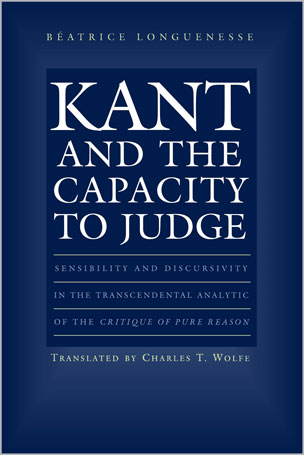
Sensibility and Discursivity in the Transcendental Analytic of the Critique of Pure Reason
Beatrice Longuenesse
Translated from the French by: Charles T. Wolfe
#Kant
#Judge
#Pure_Reason
#Critique
📘 کانت ادعا میکند جدول مقولات یا «مفاهیم محض فاهمه» را بر اساس «رشتهٔ راهنما»یی که از اشکال منطقی داوری فراهم میشود، بنیان گذاشته است.
📚 کانت مدعی است که جدول مقولات یا «مفاهیم محض فاهمه» را بر اساس «رشتهٔ راهنما»یی که از اشکال منطقی داوری به دست میآید، تنظیم کرده است. در این کتاب، بئاتریس لونگنس این ادعای مناقشهبرانگیز را با اتکا گسترده بر نوشتههای منطقی کانت تحلیل میکند و سپس این «رشتهٔ راهنما» را در مسیر تداوم آن در استنتاج استعلایی مقولات، طرحوارههای استعلایی و اصول فاهمهٔ محض دنبال میکند. حاصل این پژوهش، تفسیری نظاممند، منسجم و اقناعکننده از نقد عقل محض است.
📖 لونگنس نشان میدهد که اگرچه کانت فهرست اشکال داوری را از کتابهای درسی منطق زمان خود اخذ میکند، اما در انتخاب آن دسته از اشکال که آنها را برای توانایی ما در نسبت دادن بازنمودها به ابژهها ضروری میداند، رویکردی کاملاً بدیع دارد. کانت این نسبت میان اندیشهٔ مفهومی و ابژههای آن را از طریق وارد کردن نماد «x» در تحلیل خود از اشکال منطقی صورتبندی میکند؛ نمادی که نمایندهٔ ابژهای است که «تحت مفاهیم» در داوری اندیشیده میشود. این «x» در استنتاجهای منطقی کانت نقشی ندارد، اما در روشنسازی رابطهٔ میان اشکال منطقی (اشکال شمول مفهومی) و ترکیبهای دادههای ادراکی (سنتزها) که برای شناخت تجربی ضروریاند، نقش ایفا میکند.
🧠 بررسی اشکال منطقی داوری در اندیشهٔ کانت، جنبههای اساسی «تحلیل استعلایی» را روشن میسازد و در عین حال وحدت نظاممند میان نظریهٔ داوری در نقد اول و تحلیل داوریهای «صرفاً تأملی» (زیباییشناختی و غایتشناختی) در نقد سوم را آشکار میکند.
📑 فهرست مطالب
بخش اول: رشتهٔ راهنما
فصل 1. سنتز و داوری
فصل 2. «سنتز سهگانه» و الگوی ریاضی
فصل 3. گذار به داوری
بخش دوم: اشکال منطقی داوری بهمثابه اشکال تأمل
فصل 4. تعاریف منطقی داوری
فصل 5. چگونگی مواجهه فاهمهٔ گفتمانی با دادهٔ حسی: مقایسهٔ بازنمودها و داوری
فصل 6. مفاهیم مقایسه، اشکال داوری، و تکوین مفاهیم
فصل 7. داوریهای ادراکی و داوریهای تجربی
بخش سوم: سنتز عقلی، سنتز تصویری: تخیل استعلایی و بنیان نظام اصول
فصل 8. سنتز تصویری و اشکال شهود
فصل 9. تقدم سنتزهای کمّی
فصل 10. امر واقعی بهمثابه پدیدار: تخیل و حس
فصل 11. تکوین تجربه
📚 نقد
«کتاب جدید بئاتریس لونگنس بازنگریای عمیق در نقد عقل محض کانت است که با الهام از بلندپروازانهترین اهداف فلسفی کانت و با اتکا بر بهترین سطح از دانش پژوهشی، هوش فلسفی برتر و وفاداری دقیق به متن، نوشته شده است. کانت و توانایی داوری رویدادی مهم و تأثیرگذار در مطالعات کانتی و در فلسفه خواهد بود.»
— رابرت بی. پیپین، دانشگاه شیکاگو
«لونگنس نکاتی را بسط میدهد که تعداد کمی از مفسران به آن پرداختهاند و این کار را بهشیوهای بسیار قانعکننده و دقیق انجام میدهد.»
— ریچارد ای. آکیلا، دانشگاه تنسی
👤 درباره نویسنده
📚 بئاتریس لونگنس فیلسوف و استاد بازنشسته فلسفه در دانشگاه نیویورک (NYU) است. حوزهٔ پژوهشی او شامل ایمانوئل کانت، گئورگ ویلهلم فریدریش هگل و فلسفهٔ ذهن است. او عضو آکادمی هنرها و علوم آمریکا نیز میباشد.
Kant claims to have established his table of categories or "pure concepts of the understanding" according to the "guiding thread" provided by logical forms of judgment. By drawing extensively on Kant's logical writings, Béatrice Longuenesse analyzes this controversial claim, and then follows the thread through its continuation in the transcendental deduction of the categories, the transcendental schemata, and the principles of pure understanding. The result is a systematic, persuasive new interpretation of the Critique of Pure Reason.
Longuenesse shows that although Kant adopts his inventory of the forms of judgment from logic textbooks of his time, he is nevertheless original in selecting just those forms he holds to be indispensable to our ability to relate representations to objects. Kant gives formal representation to this relation between conceptual thought and its objects by introducing the term "x" into his analysis of logical forms to stand for the object that is "thought under" the concepts that are combined in judgment. This "x" plays no role in Kant's forms of logical inference, but instead plays a role in clarifying the relation between logical forms (forms of concept subordination) and combinations ("syntheses") of perceptual data, necessary for empirical cognition.
Considering Kant's logical forms of judgment thus helps illuminate crucial aspects of the Transcendental Analytic as a whole, while revealing the systematic unity between Kant's theory of judgment in the first Critique and his analysis of "merely reflective" (aesthetic and teleological) judgments in the third Critique.
Table of Contents
PART ONE: THE GUIDING THREAD
CHAPTER 1 Synthesis and Judgment
CHAPTER 2 The "Threefold Synthesis" and the Mathematical Model
CHAPTER 3 The Transition to Judgment
PART TWO: THE LOGICAL FORMS OF JUDGMENT AS FORMS OF REFLECTION
CHAPTER 4 Logical Definitions of Judgment
CHAPTER 5 How Discursive Understanding Comes to the Sensible Given: Comparison of Representations and Judgment
CHAPTER 6 Concepts of Comparison, Forms of Judgment, Concept Formation
CHAPTER 7 Judgments of Perception and Judgments of Experience
PART THREE: SYNTHESIS INTELLECTUALS, SYNTHESIS SPECIOSA: TRANSCENDENTAL IMAGINATION AND THE FOUNDATION OF THE SYSTEM OF PRINCIPLES
CHAPTER 8 Synthesis Speciosa and Forms of Sensibility
CHAPTER 9 The Primacy of Quantitative Syntheses
CHAPTER 10 The Real as Appearance: Imagination and Sensation
CHAPTER 11 The Constitution of Experience
Review
"Béatrice Longuenesse's new book is a thorough reconsideration of Kant's first Critique, animated by Kant's greatest philosophical ambitions and informed by the best erudition, superior philosophical intelligence, and close textual fidelity. Kant and the Capacity to Judge will prove to be an important and influential event in Kant studies and in philosophy."
--Robert B. Pippin, University of Chicago
"Longuenesse develops points that few commentators have developed, and she does this in a very convincing and detailed way."
--Richard E. Aquila, University of Tennessee
About the Author
Béatrice Longuenesse is a French philosopher and academic, who is the Silver Professor of Philosophy Emerita at New York University. Her work focuses on Immanuel Kant, Georg Wilhelm Friedrich Hegel, and the philosophy of mind. She is a fellow of the American Academy of Arts and Sciences.