ثبت نام / ورود
0
ثبت نام / ورود
0
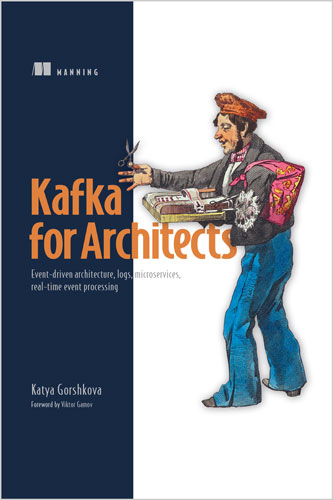
Event-driven architecture, logs, microservices, real-time event processing
Katya Gorshkova
#Kafka
#CQRS
📘 این کتاب بهت یاد میده چطوری کافکا (Kafka) رو توی اپلیکیشنهای سازمانی جا بندازی.
🏗️ تمرکز کتاب فراتر از جزئیات کدنویسی هست و بیشتر روی این موضوع زوم کرده که چطوری از کافکا برای رسیدن به اهداف فنی و تجاری استفاده کنی.
🏢 معمارها توی صنایع مختلف به خاطر سرعت، قابلیت اطمینان و مقیاسپذیری بینظیر کافکا، دارن به سمتش میرن.
✍️ توی این کتاب، نویسنده یعنی کاتیا گورشکووا (Katya Gorshkova) توضیح میده که کافکا چطوری توی طراحی سیستمهای پیچیده قرار میگیره.
🛠️ اون با مهارت نشون میده که چطور میتونی از کافکا برای لاگینگ موثر، تلمتری، ارتباط بین میکروسرویسها و موارد دیگه توی اپلیکیشنهای سازمانی رویداد-محور (Event-Driven) استفاده کنی.
🧐 ویژگیهای کلیدی
• نقش کافکا توی نرمافزارهای سازمانی
• الگوی معماری رویداد-محور
• راهکارهای استریم دادهها
• معماری رویداد-محور توی سیستمهای پیامرسان
• توضیح کلاسترهای کافکا
• راهکارهای استریم دادهها
• طراحی قراردادهای داده (Data Contracts)
• کافکا توی نمونههای واقعی
💻 درباره تکنولوژی
🚀 کافکا یک پلتفرم توزیعشده قدرتمند برای استریم رویدادهاست که برای پایپلاینهای داده در لحظه (Real-time) توی همه سیستمهای نرمافزاری مدرن عالیه.
🎯 به عنوان یک معمار نرمافزار، خیلی حیاتیه که درک کنی کافکا چطوری روی تمام جنبههای طراحی، استقرار، مدیریت و نگهداری سیستم تاثیر میذاره.
🌐 این کتاب منحصربهفرد، اصول معماری که برای یکپارچهسازی موثر کافکا توی اپلیکیشنهای سازمانی در هر مقیاسی نیاز داری رو در اختیارت میذاره.
📖 درباره کتاب
📐 کتاب Kafka for Architects به جای کد، روی اصول معماری تمرکز میکنه و دقیقا نشون میده چطوری کافکا رو با اهداف فنی و تجاری سازمانت هماهنگ کنی.
🔍 تو توی این کتاب الگوهای اثبات شده و آنتیپترنها، استراتژیهای یکپارچهسازی و اکوسیستم گستردهتر کافکا—از پایپلاینهای رویداد گرفته تا ارتباط میکروسرویسها—رو بررسی میکنی.
💡 آنچه یاد خواهید گرفت
• الگوهای معماری رویداد-محور: مثل CQRS، سورسینگ رویداد و یکپارچهسازی میکروسرویسها
• سیستمهای پیامرسان کارآمد: تولید پیام، مصرف، دستهبندی (Batching)، پارتیشنبندی و توان عملیاتی
• کلاسترهای کافکا: معماری کلاستر، تاپیکها، پارتیشنها، تکثیر (Replication) و تنظیمات
• طراحی قراردادهای داده: طراحی اسکمای رویداد، تکامل اسما، حاکمیت و استفاده از Schema Registry
👥 درباره مخاطبان
👨💻 برای معماران سازمانی و معماران راهکار که در حال کار هستن یا میخوان وارد این مسیر بشن.
📑 فهرست مطالب
بخش ۱. کاوش در اجزای سازنده کافکا
بخش ۲. حل مشکلات با کافکا
بخش ۳. تحویل پروژهها با کافکا
✍️ درباره نویسنده
دکتر آلساندرو نگرو دانشمند ارشد در GraphAware هست. اون توی کنفرانسهای معتبر زیادی سخنران بوده و نویسنده کتاب Graph-Powered Machine Learning از انتشارات منینگ هست.
دکتر ولاستیمیل کوس دانشمند ارشد داده در GraphAware هست که توی توسعه Hume مشارکت داره و تجربه زیادی توی ساخت گرافهای دانش از دادههای غیرساختاریافته داره.
دکتر جوزپه فوتیا دانشمند ارشد داده در GraphAware هست. اون دکترای مهندسی کامپیوتر از Politecnico di Torino ایتالیا داره و روی یادگیری بازنمایی گراف تحقیق کرده.
فابیو مونتانیا مهندس ارشد یادگیری ماشین در GraphAware هست. اون به عنوان پلی بین علم و صنعت، به انتقال سریع از استدلال علمی به ارزش محصول کمک میکنه.
This book teaches you how to incorporate Kafka into enterprise applications. This book stays above the code-level details, focusing instead on how to use Kafka to achieve your technical and business goals.
Architects across industries are turning to Kafka for its unparalleled speed, reliability, and scalability. In this book, author Katya Gorshkova lays out how Kafka fits into complex system designs, expertly illustrating how you can use Kafka for effective logging, telemetry, microservices communication, and more in event driven enterprise applications.
In Kafka for Architects you will find:
• Kafka’s role in enterprise software
• The event-driven architecture pattern
• Data streaming solutions
• Event driven architecture in messaging systems
• Explaining Kafka clusters
• Data streaming solutions
• Designing data contracts
• Kafka in real world use cases
About the Technology
Kafka is a powerful distributed event streaming platform perfect for the real-time data pipelines you find in all modern software systems. As a software architect, it’s mission critical to understand how Kafka impacts every aspect of system design, deployment, management, and maintenance. This unique book provides the architectural principles you need to integrate Kafka effectively into enterprise applications at any scale.
About the Book
Kafka for Architects focuses on architectural principles rather than code, showing exactly how to align Kafka with your organization’s technical and business goals. You’ll explore proven patterns and anti-patterns, integration strategies, and the broader Kafka ecosystem—from event pipelines to microservices communication.
What’s Inside
• Event-driven architecture patterns: CQRS, event sourcing, and microservices integration
• Efficient messaging systems: message production, consumption, batching, partitioning, and throughput
• Kafka clusters: cluster architecture, topics, partitions, replication, and configuration
• Designing data contracts: event schema design, schema evolution, governance, and use of Schema Registry
About the Readers
For working and aspiring enterprise and solutions architects.
Table of Contents
Part 1. Exploring Kafka building blocks
1. Getting to know Kafka as an architect
2. Kafka cluster data architecture
3. Kafka clients and message production
4. Creating consumer applications
Part 2. Solving problems with Kafka
5. Kafka in real-world use cases
6. Defining data contracts
7. Kafka interaction patterns
8. Designing streaming applications
Part 3. Delivering projects with Kafka
9. Managing Kafka within the enterprise
10. Organizing a Kafka project
11. Operating Kafka
12. What’s next for Kafka
About the Author
Dr. Alessandro Negro is the Chief Scientist at GraphAware. Alessandro has been a speaker at many prominent conferences and is the author of the Manning book Graph-Powered Machine Learning and several scientific publications. He is one of the creators of GraphAware Hume, a mission critical knowledge graph platform.
Dr. Vlastimil Kus is the Lead Data Scientist at GraphAware where he contributes to the development of Hume. Over the years he gained significant experience in building and utilizing Knowledge Graphs from unstructured data using NLP and ML techniques in various domains. His current focus is NLP and Graph Machine Learning.
Dr. Giuseppe Futia is Senior Data Scientist at GraphAware and a Fellow at the Nexa Center for Internet & Society. He holds a Ph.D. in computer engineering from the Politecnico di Torino (Italy), where he explored Graph Representation Learning techniques to support the automatic building of Knowledge Graphs.
Fabio Montagna is the Lead Machine Learning Engineer at GraphAware. He holds a master’s degree in software engineering from Unisalento (Italy). As a bridge between science and industry, he assists with moving rapidly from scientific reasoning to product value.