ثبت نام / ورود
0
ثبت نام / ورود
0
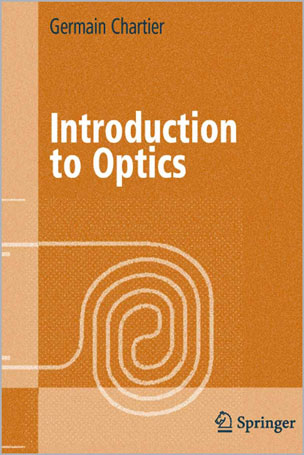
Germain Chartier
#Optics
#Geometrical
#Polarized_Light
#Re.ection
#Richard_Feynman
🔭 این کتاب برنده جایزه، توسط خود نویسنده از نسخه اصلی فرانسوی به انگلیسی ترجمه و بهطور کامل بهروزرسانی شده است. کتاب مقدمهای پیشرفته بر اپتیک مدرن ارائه میدهد و از رویکردی منحصربهفرد الهامگرفته از شیوه آموزشی ریچارد فاینمن استفاده میکند.
💡 از زمان اختراع لیزر در سال ۱۹۶۰ و ظهور فیبرهای نوری در سال ۱۹۷۰، اپتیک دستخوش تحولات چشمگیری شده و ماهیت میانرشتهای آن بیش از پیش گسترش یافته است. این کتاب مفاهیم اساسی را پوشش میدهد و مهمترین پیشرفتها و دستاوردهای جدید این حوزه را نیز بررسی میکند.
📘 روش ارائه مطالب، با الهام از سبک فاینمن، بیشتر بر «توضیح دادن» اپتیک تمرکز دارد تا استخراج صرف آن از قوانین بنیادی. ابزارهای ریاضی نیز با دقت و بهاندازهای استفاده شدهاند که مانع درک پدیدههای فیزیکی نشوند.
🏅 این کتاب بهدلیل رویکرد آموزشی برجسته خود، جایزه Arnulf-Francon از انجمن اپتیک فرانسه را دریافت کرده است.
🧠 مفاهیم بهگونهای ارائه شدهاند که ابزارهای ریاضی ضروری، درک پدیدهها را دشوار نکنند. کتاب دیدگاهی جامع و گسترده دارد و علاوه بر استفاده آموزشی، میتوان از آن بهعنوان یک مرجع نیز بهره برد.
🔬 در کنار مباحث سنتی اپتیک، ابزارها و روشهایی که امروزه توسط پژوهشگران و مهندسان استفاده میشوند نیز معرفی شدهاند و جدیدترین تحولات این حوزه همراه با توضیح و بررسی پیامدهای آنها مورد توجه قرار گرفتهاند.
📖 فهرست مطالب
فصل ۱. مرتبههای بزرگی در اپتیک
فصل ۲. امواج الکترومغناطیسی
فصل ۳. اپتیک هندسی
فصل ۴. نور قطبیده؛ قوانین بازتاب
فصل ۵. شکست دوگانه
فصل ۶. تداخل
فصل ۷. پراش
فصل ۸. ضریب شکست
فصل ۹. لیزرها
فصل ۱۰. اپتیک غیرخطی
فصل ۱۱. پراکندگی رامان ـ بریلوئن ـ رایلی
فصل ۱۲. اپتیک هدایتشده
فصل ۱۳. آنالیز فوریه و تبدیل فوریه
👤 درباره نویسنده
🎓 ژرمن شارتیه فیزیکدان فرانسوی و متخصص اپتیک، لیزر و فوتونیک است. او استاد بازنشسته Institut National Polytechnique de Grenoble است و بهعنوان مشاور اپتیک نیز فعالیت داشته است.
🔬 پژوهشها و فعالیتهای آموزشی او حوزههایی مانند فیبرهای نوری، موجبرها، قطبش و سیستمهای لیزری را در بر میگیرند.
🏆 کتاب شناختهشده او Introduction to Optics بهدلیل کیفیت ممتاز آموزش اپتیک، جایزه Arnulf–Francon انجمن اپتیک فرانسه را دریافت کرده است.
This award-winning book has been translated from the original French by the author and thoroughly updated. It gives an introduction to modern optics at an advanced level, taking a unique approach inspired by Richard Feynman.
Since the discovery of the laser in 1960 and optical fibers in 1970, optics has undergone dramatic changes that accentuate its multi-disciplinary character. This text covers essential concepts and reports the key developments and progress in current knowledge in the field. Inspired by the style of Richard Feynman, the method of presentation emphasizes "telling" optics, rather than deducing it from fundamental laws, as well as tactfully using mathematical tools so as not to obscure the physical phenomena of interest. For its excellent teaching approach, the book received the Arnulf-Francon Award of the French Optical Society. The concepts are formulated in a way such that the necessary mathematical tools do not hinder comprehension of the phenomena. Global in vision, the book can also be used as a reference. In addition to the traditional aspects of optics, it includes the tools and methods currently used by researchers and engineers, as well as explanation and implications of the most recent developments.
Table of Contents
1 Orders of Magnitude in Optics
2 Electromagnetic Waves
3 Geometrical Optics
4 Polarized Light-Laws of Re.ection
5 Birefringence
6 Interference
7 Diffraction
8 Index of Refraction
9 Lasers
10 Nonlinear Optics
11 Raman-Brillouin-Rayleigh Diffusion
12 Guided Optics
13 Fourier Analysis and Fourier Transform
About the Author
Germain Chartier is a French physicist specializing in optics, lasers, and photonics. He is Professor Emeritus at the Institut National Polytechnique de Grenoble and has also worked as an optics consultant. His research and teaching cover subjects such as optical fibers, waveguides, polarization, and laser systems. His acclaimed textbook Introduction to Optics received the Arnulf–Francon Award from the French Optical Society for excellence in optics education.