ثبت نام / ورود
0
ثبت نام / ورود
0
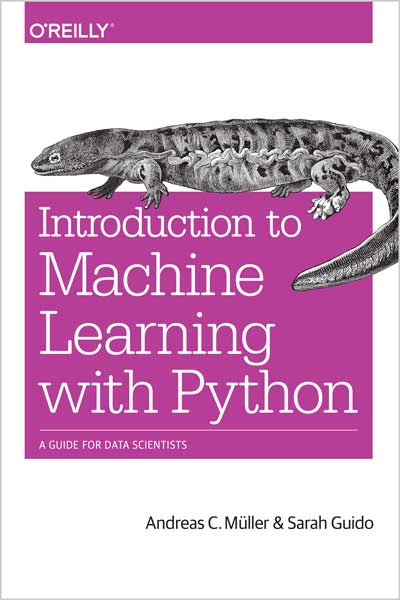
A Guide for Data Scientists
Andreas C. Müller and Sarah Guido
#Python
#Machine_Learning
#Data_Scientists
#NumPy
🤖 یادگیری ماشین بخشی جداییناپذیر از بسیاری از برنامههای تجاری و پروژههای پژوهشی شده است، اما این حوزه تنها مختص شرکتهای بزرگ با تیمهای تحقیقاتی گسترده نیست.
🐍 اگر حتی به عنوان یک مبتدی از پایتون استفاده میکنید، این کتاب روشهای عملی برای ساخت راهحلهای یادگیری ماشین خودتان را به شما میآموزد.
🌐 با توجه به حجم عظیم دادههای موجود امروز، کاربردهای یادگیری ماشین تنها محدود به تخیل شما هستند.
📘 شما یاد خواهید گرفت که چه مراحلی برای ایجاد یک برنامه موفق یادگیری ماشین با پایتون و کتابخانه scikit-learn لازم است.
🛠 نویسندگان، Andreas Müller و Sarah Guido، بر جنبههای عملی استفاده از الگوریتمهای یادگیری ماشین تمرکز دارند و کمتر به ریاضیات پشت آن میپردازند.
📊 آشنایی با کتابخانههای NumPy و matplotlib به شما کمک میکند بیشترین بهره را از این کتاب ببرید.
💡 با این کتاب، شما یاد خواهید گرفت:
📌 مفاهیم و کاربردهای بنیادی یادگیری ماشین
⚖️ مزایا و محدودیتهای الگوریتمهای پرکاربرد یادگیری ماشین
🗂️ چگونگی نمایش دادههای پردازششده توسط یادگیری ماشین، شامل تمرکز روی جنبههای مهم داده
🔧 روشهای پیشرفته ارزیابی مدل و تنظیم پارامترها
🔗 مفهوم پایپلاینها برای زنجیرهسازی مدلها و سازماندهی جریان کاری
📝 روشهای کار با دادههای متنی، شامل تکنیکهای پردازش ویژه متن
🚀 پیشنهادهایی برای بهبود مهارتهای یادگیری ماشین و علوم داده
📑 فهرست مطالب
فصل 1: مقدمه
فصل 2: یادگیری نظارتشده (Supervised Learning)
فصل 3: یادگیری بدون نظارت و پیشپردازش
فصل 4: نمایش داده و مهندسی ویژگیها
فصل 5: ارزیابی و بهبود مدل
فصل 6: زنجیره الگوریتمها و پایپلاینها
فصل 7: کار با دادههای متنی
فصل 8: جمعبندی
👤 درباره نویسندگان
Andreas Müller دکترای یادگیری ماشین خود را از دانشگاه بن دریافت کرده است. پس از یک سال پژوهش در زمینه بینایی ماشین در آمازون، اخیراً به مرکز علوم داده دانشگاه نیویورک پیوسته است. او یکی از نگهدارندگان و همکاران اصلی کتابخانه scikit-learn بوده و در توسعه چند بسته یادگیری ماشین دیگر نیز نقش داشته است. مأموریت او ایجاد ابزارهای متنباز برای کاهش موانع ورود به یادگیری ماشین، ترویج علم قابل تکرار و دموکراتیزه کردن دسترسی به الگوریتمهای باکیفیت است.
Sarah Guido یک دانشمند داده است که تجربه زیادی در استارتاپها دارد. او عاشق پایتون، یادگیری ماشین، دادههای حجیم و دنیای فناوری است. او سخنران موفق کنفرانسهاست، در نیویورک زندگی میکند و در دانشگاه میشیگان تحصیلات تکمیلی خود را گذرانده است.
Machine learning has become an integral part of many commercial applications and research projects, but this field is not exclusive to large companies with extensive research teams. If you use Python, even as a beginner, this book will teach you practical ways to build your own machine learning solutions. With all the data available today, machine learning applications are limited only by your imagination.
You’ll learn the steps necessary to create a successful machine-learning application with Python and the scikit-learn library. Authors Andreas Müller and Sarah Guido focus on the practical aspects of using machine learning algorithms, rather than the math behind them. Familiarity with the NumPy and matplotlib libraries will help you get even more from this book.
With this book, you’ll learn:
Table of Contents
Chapter 1. Introduction
Chapter 2. Supervised Learning
Chapter 3. Unsupervised Learning and Preprocessing
Chapter 4. Representing Data and Engineering Features
Chapter 5. Model Evaluation and Improvement
Chapter 6. Algorithm Chains and Pipelines
Chapter 7. Working with Text Data
Chapter 8. Wrapping Up
About the Author
Andreas Müller received his PhD in machine learning from the University of Bonn. After working as a machine learning researcher on computer vision applications at Amazon for a year, he recently joined the Center for Data Science at the New York University. In the last four years, he has been maintainer and one of the core contributor of scikit-learn, a machine learning toolkit widely used in industry and academia, and author and contributor to several other widely used machine learning packages. His mission is to create open tools to lower the barrier of entry for machine learning applications, promote reproducible science and democratize the access to high-quality machine learning algorithms.
Sarah is a data scientist who has spent a lot of time working in start-ups. She loves Python, machine learning, large quantities of data, and the tech world. She is an accomplished conference speaker, currently resides in New York City, and attended the University of Michigan for grad school.