ثبت نام / ورود
0
ثبت نام / ورود
0
Béatrice Longuenesse
#Kant
#Super-Ego
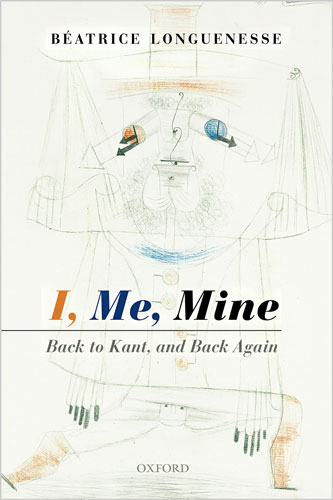
📕 بیتریس لونگنس یک کاوش اصیل از درک ما نسبت به خودمان و روشی که درباره خودمان صحبت میکنیم ارائه میده. در بخش اول کتاب، اون به تحلیلهای معاصر درباره استفاده از کلمه «من» در زبان و اندیشه میپردازه و اونها را با تبیین کانت از خودآگاهی مقایسه میکنه؛ بهویژه اون نوع خودآگاهی که در گزاره «من فکر میکنم» بیان میشه. طبق نظر بسیاری از فیلسوفان معاصر، به طور پیشفرض، هر نمونه از استفاده ما از کلمه «من» توسط آگاهی ما از بدن خودمان پشتیبانی میشه. در مقابل، برای کانت گزاره «من فکر میکنم» صرفاً آگاهی ما را از این نشان میده که مشغول ایجاد یک وحدت عقلانی در محتوای حالات ذهنی خودمان هستیم. در بخش دوم کتاب، لونگنس جزئیات دیدگاه کانت را تحلیل میکنه و استدلال میکنه که بحثهای معاصر در فلسفه و روانشناسی میتونند از بینشهای کانت درباره خودآگاهی و وحدت آگاهی بهرهمند بشن. بخش سوم و پایانی کتاب، شباهتهای بین دیدگاه کانت درباره ساختار حیات ذهنی (که پایهگذار استفاده ما از کلمه «من» در «من فکر میکنم» و «من بایدِ» اخلاقی هست) از یک طرف، و تحلیل زیگموند فروید از سازماندهی فرآیندهای ذهنی (که اونها را «ایگو» و «سوپرایگو» مینامه) از طرف دیگه را ترسیم میکنه. لونگنس استدلال میکنه که متاپسیکولوژی فرویدی راهی برای مادیسازی دیدگاه متعالی کانت از ذهن ارائه میده. این رویکرد یک تبیین تکاملی از ظرفیتهای هنجاری ارائه میده که پایهگذار استفاده ما از کلمه «من» هستند؛ چیزی که کانت فکر میکرد بدون متوسل شدن به جهانی از موجودات عاقل محض، متمایز از جهان تجربی و طبیعی موجودات فیزیکی، نمیشه تبیینش کرد.
1. مقدمه
بخش اول: بازگشت به...
2. کاربردهای «من»
3. خودآگاهی غیرتبیینی و کاربردهای «من»
بخش دوم: ... کانت
4. دیدگاه کانت درباره «من فکر میکنم»
5. دیدگاه کانت درباره «من» و روح
6. دیدگاه کانت درباره هویت اشخاص
بخش سوم: ... و بازگشت دوباره
7. «منِ» کانت در «من فکر میکنم» و «ایگو»ی زیگموند فروید
8. «منِ» کانت در «من بایدِ» اخلاقی و «سوپرایگو»ی زیگموند فروید
9. خاتمه
💬 نقد و بررسی
📝 «یک خوانش دقیق و در عین حال شفاف از کانت... کتاب من، من، مال من یک بازسازی کاملاً بدیع از کانت ارائه میده.»
—اکین ارکان، مجله فلسفه کرواسی
👤 درباره نویسنده
🎓 بیتریس لونگنس، استاد کرسی سیلور در دانشگاه نیویورک
🇫🇷 بیتریس لونگنس در مدرسه عالی نرمال، دانشگاه پاریس-سوربن و دانشگاه پرینستون تحصیل کرده. از سال ۱۹۷۹ تا ۱۹۹۳، اون در فرانسه در مدرسه عالی نرمال (پاریس)، دانشگاه پاریس-سوربن، دانشگاه فرانش-کنته و دانشگاه کلرمون-فران تدریس میکرده. لونگنس سپس در سال ۱۹۹۳ به دانشگاه پرینستون نقل مکان میکنه، ابتدا به عنوان دانشیار (۱۹۹۳-۱۹۹۶) و سپس به عنوان استاد تمام (۱۹۹۶-۲۰۰۴) و در نهایت در سال ۲۰۰۴ به دانشگاه نیویورک میره. اون استاد مهمان در مدرسه مطالعات عالی علوم اجتماعی (پاریس، بهار ۲۰۰۸)، عضو هیئت علمی در یک مدرسه تابستانی در سال ۲۰۱۰ در دانشگاه اروپای مرکزی (بوداپست) با موضوع مسائل مربوط به خود، استاد کرسی سیلور در دانشگاه نیویورک از سال ۲۰۱۰ بوده و همچنین عضو آکادمی هنر و علوم آمریکا هست.
Béatrice Longuenesse presents an original exploration of our understanding of ourselves and the way we talk about ourselves. In the first part of the book she discusses contemporary analyses of our use of 'I' in language and thought, and compares them to Kant's account of self-consciousness, especially the type of self-consciousness expressed in the proposition 'I think.' According to many contemporary philosophers, necessarily, any instance of our use of 'I' is backed by our consciousness of our own body. For Kant, in contrast, 'I think' just expresses our consciousness of being engaged in bringing rational unity into the contents of our mental states. In the second part of the book, Longuenesse analyzes the details of Kant's view and argues that contemporary discussions in philosophy and psychology stand to benefit from Kant's insights into self-consciousness and the unity of consciousness. The third and final part of the book outlines similarities between Kant's view of the structure of mental life grounding our uses of 'I' in 'I think' and in the moral 'I ought to,' on the one hand; and Freud's analysis of the organizations of mental processes he calls 'ego' and 'superego' on the other hand. Longuenesse argues that Freudian metapsychology offers a path to a naturalization of Kant's transcendental view of the mind. It offers a developmental account of the normative capacities that ground our uses of 'I,' which Kant thought could not be accounted for without appealing to a world of pure intelligences, distinct from the empirical, natural world of physical entities.
Table of Contents
1 Introduction
Part I. Back To ...
2 Uses Of 'I'
3 Non-Thetic Self-Consciousness And Uses Of 'I'
Part II. ... Kant
4 Kant On 'I Think'
5 Kant On 'I' And The Soul
6 Kant On The Identity Of Persons
Part III. ... And Back Again
7 Kant’s 'I' In 'I Think' And Freud’s “Ego”
8 Kant’s 'I' In The Moral 'I Ought To' And Freud’s “Super-Ego”
9 Epilogue
"[a] rigorous yet pellucid reading of Kant ... I, Me, Mine offers an entirely novel reconstruction of Kant"
—Ekin Erkan, Croatian Journal of Philosophy
Béatrice Longuenesse, Silver Professor, New York University
Béatrice Longuenesse studied at the Ecole Normale Superieure, the University of Paris-Sorbonne, and Princeton University. From 1979 to 1993, she taught in France at the Ecole Normale Supérieure (Paris), the University of Paris-Sorbonne, the University of Franche-Comté, and the University of Clermont-Ferrand. Longuenesse then moved to Princeton University in 1993, as Associate Professor (1993-1996) then Professor (1996-2004) before moving to NYU in 2004. She has been visiting professor at the Ecole des Hautes Etudes en Sciences Sociales (Paris, spring 2008); faculty member in a 2010 summer school at the Central European University (Budapest), on Problems of the Self; Silver Professor at NYU since 2010; and is a Fellow of the American Academy of Arts and Sciences.