ثبت نام / ورود
0
ثبت نام / ورود
0
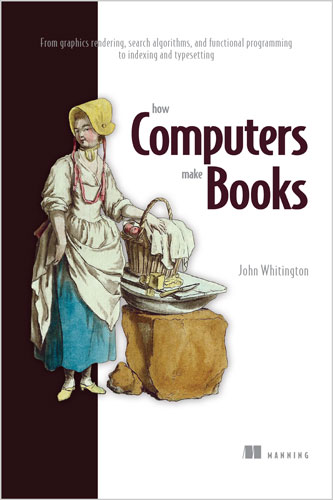
🔍 From graphics rendering, search algorithms, and functional programming to indexing and typesetting
✍️ John Whitington
#Computer_Science
#Algorithms
#Functional_Programming
💻 با دنبال کردن مسیر جذابی که برای ساخت همین کتاب طی شده، با علوم کامپیوتر آشنا شو.
📚 کتاب How Computers Make Books چیزهای شگفتانگیز علوم کامپیوتر رو از زاویهای توضیح میده که خیلی ملموسه: اینکه کامپیوترها چطور هنر نشر کتاب رو متحول کردن. جان ویتینگتون، نویسنده و توسعهدهنده نرمافزارهای نشر، راهکارهای ظریف و هوشمندانه علوم کامپیوتر رو نشون میده؛ راهکارهایی که برای حل چالشهای بزرگ نشر ساخته شدن.
🎯 در این کتاب یاد میگیری
🧠 توضیحهای انسانی چطور به برنامههای کامپیوتری تبدیل میشن
📄 کامپیوتر چطور میتونه فرمتبندی سند رو بفهمه
🖨️ یک برنامه چطور تصمیم میگیره کجای صفحه جوهر چاپ بشه
💡 چرا علوم کامپیوتر برای متخصصهای این حوزه اینقدر جذابه، و چرا ممکنه برای تو هم جذاب بشه
✨ و خیلی چیزهای دیگه
❓ کامپیوترها چطور همه زبانها و حروف مختلفی رو که انسانها استفاده میکنن نمایش میدن؟ چطور میشه حجم زیادی از اطلاعات پیچیده یک کتاب رو فشرده کرد تا در چند ثانیه منتقل بشه؟ و اصلاً برنامه کامپیوتری دقیقاً چیه؟ این کتاب با روایت داستان ساخته شدن خودش، به همه این سؤالها جواب میده.
⚙️ درباره تکنولوژی
🖥️ کامپیوترها در همه مرحلههای ساخت یک کتاب حضور دارن؛ از ثبت کلمات نویسنده بهصورت یک سند دیجیتال گرفته تا کنترل اینکه جوهر دقیقاً چطور روی کاغذ قرار بگیره. کتاب How Computers Make Books با بردنت به دل فرایند چاپ دیجیتال مدرن، مفاهیم پایه علوم کامپیوتر رو معرفی میکنه؛ چیزهایی مثل فرمتبندی فایل، انتقال و ذخیرهسازی، برنامهنویسی کامپیوتر و اتوماسیون تسکها.
📘 درباره کتاب
📄 این کتاب تو رو از یک صفحه سفید ساده وارد یک مسیر جذاب میکنه؛ مسیری که از حروفچینی، ساخت تصویرهای خاکستری با جوهر سیاه، فرمتهای فایل الکترونیکی و موضوعهای دیگه عبور میکنه. علوم کامپیوتر در این کتاب زنده میشه، چون میبینی هر کلمه، هر تصویر و هر صفحه، داستان خودش رو داره. حتی یاد میگیری برنامههای ساده خودت رو بنویسی و با تجربه عملی بفهمی چه چیزی علوم کامپیوتر رو اینقدر جذاب میکنه.
📦 داخل کتاب چی هست
🧠 توضیحهای انسانی چطور به برنامههای کامپیوتری تبدیل میشن
📄 کامپیوتر دیجیتال چطور به سندهای چاپی فکر میکنه
🖨️ یک برنامه چطور تصمیم میگیره کجای صفحه جوهر چاپ بشه
🔤 تاریخ حروفچینی چطور خودش رو در کتابهای امروزی نشون میده
👤 درباره خواننده
🔍 برای کسانی که درباره علوم کامپیوتر کنجکاون اما آشنایی زیادی باهاش ندارن؛ و برای هر کسی که دوست داره بدونه کامپیوترها چطور کتاب میسازن.
🛠️ ویراستار فنی این کتاب بویان استویانوویچ بوده.
📖 فهرست مطالب
۱. گذاشتن نشانهها روی کاغذ
۲. شکل حروف
۳. ذخیره کردن کلمات
۴. نگاه کردن و پیدا کردن
۵. تایپ کردن آن
۶. صرفهجویی در فضا
۷. محاسبات پشت صفحهنمایش
۸. ناحیههای خاکستری
۹. یک تایپفیس
۱۰. از کلمات تا پاراگرافها
۱۱. بیرون رفتن به جهان
📕 از پشت جلد
📖 کتاب How Computers Make Books رو باز کن تا ببینی کامپیوترها چطور از ریاضی و علوم کامپیوتر برای صفحهآرایی و تولید یک کتاب استفاده میکنن. متن، فونتها و روشهای قرار دادن جوهر روی صفحه رو بررسی میکنی. وارد تاریخ حروفچینی و چاپ میشی و میبینی این تاریخ چطور تکنولوژی امروز رو برای کتابهای فیزیکی و eBookها شکل داده. یاد میگیری چرا هم محاسبه ریاضی مهمه، هم سلیقه هنری؛ و اینکه فقط ترکیب این دو میتونه به کتابهای زیبا منتهی بشه. وقتی مطالعه کتاب تموم بشه، درک بهتری داری از اینکه علوم کامپیوتر چطور میتونه مسئلهها رو حل کنه و چه تکنولوژی پیچیدهای پشت هر کتابی هست که توی قفسهات داری.
👤 درباره نویسنده
✍️ جان ویتینگتون بنیانگذار شرکتیه که نرمافزارهایی برای پردازش سندهای الکترونیکی میسازه. او علوم کامپیوتر رو در Queens' College, Cambridge خوانده و تدریس کرده و چندین کتاب درسی در حوزه علوم کامپیوتر نوشته است.
Learn about computer science by exploring the fascinating journey it took to make this book!
How Computers Make Books introduces what’s wonderful about computer science by showing how computers have transformed the art of publishing books. Author and publishing software developer John Whitington reveals the elegant computer science solutions invented to solve big publishing challenges.
In How Computers Make Books you’ll discover:
How do computers represent all the different languages and letters used by humans? How do we compress a book’s worth of complex information so it can be transferred in seconds? And what exactly is a computer program? This book answers all those questions by telling the story of how it was created!
About the technology
Computers are part of every step in creating a book, from capturing the author’s words as a digital document to controlling how the ink gets onto the paper. How Computers Make Books introduces basic computer science concepts like file formatting, transfer, and storage, computer programming, and task automation by guiding you through the modern digital printing process.
About the book
This book takes you on a journey from the plain white page, weaving through typesetting, making gray images from black ink, electronic file formats, and more. It makes computer science come alive as you see how every word, illustration, and page has its own story. You’ll even learn to write your own simple programs and discover hands-on what’s so intoxicating about computer science.
What's inside
About the reader
For the curious-but-clueless about computer science—and anyone interested in how computers make books!
Technical editor on this book was Bojan Stojanović.
Table of Contents
1. Putting marks on paper
2. Letter forms
3. Storing words
4. Looking and finding
5. Typing it in
6. Saving space
7. The sums behind the screen
8. Gray areas
9. A typeface
10. Words to paragraphs
11. Out into the world
From the Back Cover
Open up How Computers Make Books, and you will learn how computers use math and computer science to lay out and produce a book. Explore text, fonts, and means of putting ink onto the page. Dive into the history of typesetting and printing and see how that history informs today's technology for both physical books and eBooks. You will learn the importance of both mathematical calculation and artistic taste and how only a combination of the two leads to beautiful books. By the time you are done reading, you will have a better understanding of how computer science can solve problems and the complex technology that went into every book you own.
John Whitington is the founder of a company which builds software for electronic document processing. He has studied and taught Computer Science at Queens' College, Cambridge and has authored a number of computer science textbooks.