ثبت نام / ورود
0
ثبت نام / ورود
0
Dawn Griffiths, David Griffiths
#Head_First
#Kotlin
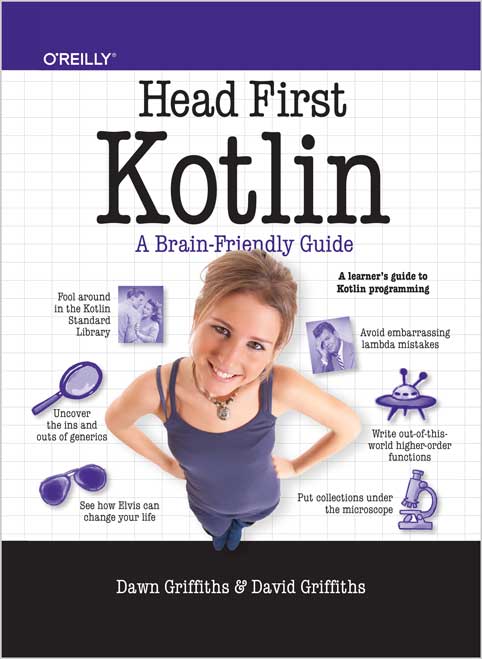
🟣 Kotlin به سبک Head First
🧠 از این کتاب چه چیزهایی یاد میگیری؟
📘 کتاب Head First Kotlin یک مقدمه کامل برای کدنویسی با Kotlin است. این کتاب عملی با روشی منحصربهفرد کمکت میکنه زبان Kotlin رو یاد بگیری؛ روشی که از آموزش صرف Syntax و دستورالعملهای آماده فراتر میره و بهت یاد میده چطور مثل یک دولوپر حرفهای Kotlin فکر کنی.
🚀 از مبانی زبان گرفته تا Collectionها، Genericها، Lambdaها و Functionهای مرتبهبالا رو یاد میگیری. در طول مسیر هم با برنامهنویسی شیءگرا و هم با برنامهنویسی تابعی کار میکنی. اگر میخوای Kotlin رو واقعا بفهمی، این کتاب برای تو نوشته شده.
✨ چرا ظاهر این کتاب اینقدر متفاوته؟
🎨 کتاب Head First Kotlin بر اساس تازهترین پژوهشهای علوم شناختی و نظریههای یادگیری، از قالبی بصری و غنی استفاده میکنه تا ذهنت رو فعال نگه داره؛ نه رویکردی سنگین و پر از متن که خوابت کنه.
🧩 چرا باید وقتت رو برای تقلا با مفاهیم جدید هدر بدی؟ این تجربه یادگیری چندحسی متناسب با شیوه واقعی کارکرد مغز طراحی شده.
🔍 در Head First Kotlin چه چیزهایی پیدا میکنی؟
🖼️ تعریف داستان با تصویر
در کتابهای Head First، تصویرها و دیاگرامها کمک میکنن مفاهیم راحتتر فهمیده بشن و بهتر در ذهنت بمونن. تقریبا در هر صفحه، گرافیکهایی وجود دارن که کانسپتهای اصلی Kotlin رو توضیح میدن.
🌱 تازه وارد توسعه Kotlin شدی؟
حتی اگر تا حالا یک خط کد Kotlin هم ننوشتی، این کتاب خیلی زود کمکت میکنه اپلیکیشنهای خودت رو بسازی. حتی لازم نیست Java بلد باشی؛ کمی دانش عمومی برنامهنویسی برای شروع کافیه.
🧠 Kotlin رو واقعا یاد بگیر
هدف اینه که بعد از خوندن Head First Kotlin، عمیقا بفهمی چطور باید با Kotlin کدنویسی کنی؛ نه اینکه فقط چند دستور آماده رو دنبال کنی و چند کار محدود انجام بدی.
کتاب از موضوعهای دشوار فرار نمیکنه تا تو هم مجبور نباشی از اونها بترسی. هدف نویسندهها اینه که Kotlin رو طوری یاد بگیری که بتونی دانشت رو در تمام کدهایی که مینویسی به کار بگیری.
📚 درباره کتابهای Head First
🧑🎓 در مجموعه Head First، خواننده بهعنوان یک یادگیرنده در نظر گرفته میشه.
یادگیری چیزی نیست که فقط برای تو اتفاق بیفته؛ کاریه که خودت انجام میدی. بدون فعال کردن نورونها نمیشه چیزی یاد گرفت. یادگیری یعنی ساخت مسیرهای ذهنی بیشتر، ایجاد ارتباط بین دانستههای جدید و قبلی، شناسایی الگوها و تبدیل واقعیتها و اطلاعات به دانش و در نهایت خرد.
کتابهای Head First با تکیه بر پژوهشهای جدید علوم شناختی، زیستشناسی عصبی و روانشناسی آموزشی، مغزت رو وارد حالت یادگیری میکنن.
🛠️ این کار چطور انجام میشه؟
💬 بهجای سخنرانی رسمی، داستانها با زبان خودمونی تعریف میشن. کتاب خودش رو بیش از حد جدی نمیگیره. به کدوم بیشتر توجه میکنی: یک همصحبت جذاب سر میز شام یا یک سخنرانی خشک؟
🎨 مطالب بصری ارائه میشن. تصویرها خیلی بیشتر از کلمات تنها در حافظه میمونن و یادگیری رو مؤثرتر میکنن. ضمن اینکه تجربه یادگیری رو سرگرمکنندهتر هم میکنن.
⚡ از روشهایی برای جلب توجه استفاده میشه. یادگیری یک موضوع فنی، سخت و جدید لزوما نباید خستهکننده باشه. تصویرها گاهی غافلگیرکننده، بزرگ، طنزآمیز، طعنهآمیز یا جسورانهاند. چیدمان صفحهها هم پویاست؛ هیچ دو صفحهای دقیقا شبیه هم نیستن و هر صفحه ترکیبی از متن و تصویر داره.
🧠 فراشناخت: فکر کردن درباره فکر کردن
اگر واقعا میخوای بهتر، سریعتر و عمیقتر یاد بگیری، باید به شیوه توجه کردنت توجه کنی و درباره نحوه فکر کردنت فکر کنی.
ترفند اصلی اینه که مغزت مطالب جدید رو واقعا مهم و برای سلامت و موفقیتت ضروری بدونه. در غیر این صورت، مدام با مغزت درگیری؛ چون تمام تلاشش رو میکنه تا اجازه نده محتوای جدید در حافظه باقی بمونه.
🎯 روشهای کتاب برای تقویت یادگیری
🖼️ از تصویر استفاده میشه، چون مغز برای پردازش اطلاعات بصری ساخته شده، نه متنهای طولانی. از نگاه مغز، یک تصویر واقعا بهاندازه هزار کلمه ارزش داره.
وقتی متن و تصویر کنار هم قرار میگیرن، متن داخل خود تصویر نوشته میشه؛ چون مغز زمانی بهتر کار میکنه که توضیح دقیقا داخل چیزی قرار داشته باشه که به اون اشاره میکنه، نه اینکه در Caption یا بخشی جدا از متن پنهان شده باشه.
🔁 مطالب بهشکلهای مختلف تکرار میشن و از رسانهها و حواس متفاوت استفاده میشه تا احتمال ثبت شدن محتوا در چند بخش مختلف مغز افزایش پیدا کنه.
🎭 کانسپتها و تصویرها به روشهای غیرمنتظره استفاده میشن، چون مغز به تازگی و موضوعهای جدید حساسه. از تصویرها و ایدههایی با کمی محتوای احساسی هم استفاده میشه، چون وقتی چیزی رو احساس میکنی، احتمال به خاطر سپردنش بیشتره.
💬 لحن کتاب شخصی و گفتوگومحوره، چون مغز وقتی تصور میکنه در یک مکالمه حضور داره، بیشتر از زمانی که فقط به یک ارائه گوش میده توجه میکنه.
🧪 فعالیتهای زیادی در کتاب قرار دارن، چون مغز وقتی کاری رو انجام میدی بیشتر یاد میگیره و به خاطر میسپره تا زمانی که فقط درباره اون مطالعه میکنی. تمرینها چالشبرانگیز اما قابلحل طراحی شدهاند، چون بیشتر افراد چنین تمرینهایی رو ترجیح میدن.
🧩 از سبکهای مختلف یادگیری استفاده میشه. شاید تو دستورالعملهای قدمبهقدم رو ترجیح بدی، فرد دیگهای اول بخواد تصویر کلی رو بفهمه و شخصی هم فقط دنبال دیدن یک مثال باشه. با هر ترجیحی، همه از دیدن یک موضوع در قالبهای مختلف سود میبرن.
🧠 محتوایی برای هر دو نیمکره مغز وجود داره، چون هرچقدر بخشهای بیشتری از مغزت درگیر بشن، احتمال یادگیری و یادآوری بیشتر میشه و مدت بیشتری تمرکز میکنی. کار کردن با یک نیمکره معمولا به نیمکره دیگه فرصت استراحت میده و باعث میشه مدت بیشتری با بهرهوری بالا یاد بگیری.
❓ کتاب با سؤالهایی که همیشه جواب مستقیم ندارن، تو رو به چالش میکشه؛ چون مغز زمانی بهتر یاد میگیره و مطالب رو بیشتر به خاطر میسپره که مجبور باشه برای پیدا کردن جواب تلاش کنه.
👥 در داستانها، مثالها و تصویرها از آدمها استفاده میشه؛ چون تو یک انسانی و مغزت به آدمها بیشتر از اشیا توجه میکنه.
📖 فهرست مطالب
فصل ۱. شروع کار
فصل ۲. Typeهای پایه و متغیرها
فصل ۳. Functionها
فصل ۴. Classها و Objectها
فصل ۵. Subclassها و Superclassها
فصل ۶. Classهای انتزاعی و Interfaceها
فصل ۷. Data Classها
فصل ۸. Nullها و Exceptionها
فصل ۹. Collectionها
فصل ۱۰. Genericها
فصل ۱۱. Lambdaها و Functionهای مرتبهبالا
فصل ۱۲. Functionهای مرتبهبالای داخلی
👤 درباره نویسندگان
👩💻 داون گریفیثس بیش از ۲۰ سال تجربه در صنعت IT داره و در نقشهایی مثل دولوپر ارشد و معمار ارشد نرمافزار فعالیت کرده.
📚 او چندین کتاب از مجموعه Head First، از جمله Head First Android Development رو نوشته. داون همینطور همراه همسرش دیوید، دوره ویدئویی انیمیشنی The Agile Sketchpad رو ساخته تا کانسپتها و تکنیکهای مهم رو به روشی آموزش بدن که مغز رو فعال و درگیر نگه میداره.
👨💻 دیوید گریفیثس Agile Coach و دولوپر نرمافزاره. او در ۱۲ سالگی و بعد از دیدن مستندی درباره کارهای سیمور پاپرت برنامهنویسی رو شروع کرد و در ۱۵ سالگی، یک پیادهسازی از زبان کامپیوتری LOGO پاپرت نوشت.
📘 دیوید پیش از نوشتن Head First Kotlin، در نوشتن چندین کتاب دیگه از مجموعه Head First، از جمله Head First Android Development مشارکت داشت و دوره ویدئویی The Agile Sketchpad رو همراه داون تولید کرد.
What will you learn from this book?
Head First Kotlin is a complete introduction to coding in Kotlin. This hands-on book helps you learn the Kotlin language with a unique method that goes beyond syntax and how-to manuals and teaches you how to think like a great Kotlin developer. You’ll learn everything from language fundamentals to collections, generics, lambdas, and higher-order functions. Along the way, you’ll get to play with both object-oriented and functional programming. If you want to really understand Kotlin, this is the book for you.
Why does this book look so different?
Based on the latest research in cognitive science and learning theory, Head First Kotlin uses a visually rich format to engage your mind rather than a text-heavy approach that puts you to sleep. Why waste your time struggling with new concepts? This multisensory learning experience is designed for the way your brain really works.
We think of a Head First Reader as a Learner
Learning isn't something that just happens to you. It's something you do. You can't learn without pumping some neurons. Learning means building more mental pathways, bridging connections between new and pre-existing knowledge, recognizing patterns, and turning facts and information into knowledge (and ultimately, wisdom). Based on the latest research in cognitive science, neurobiology, and educational psychology, Head First books get your brain into learning mode.
Here's how we help you do that:
We tell stories using casual language, instead of lecturing. We don't take ourselves too seriously. Which would you pay more attention to: a stimulating dinner party companion, or a lecture?
We make it visual. Images are far more memorable than words alone, and make learning much more effective. They also make things more fun.
We use attention-grabbing tactics. Learning a new, tough, technical topic doesn't have to be boring. The graphics are often surprising, oversized, humorous, sarcastic, or edgy. The page layout is dynamic: no two pages are the same, and each one has a mix of text and images.
Metacognition: thinking about thinking
Here's what we do:
We use pictures, because your brain is tuned for visuals, not text. As far as your brain's concerned, a picture really is worth a thousand words. And when text and pictures work together, we embedded the text in the pictures because your brain works more effectively when the text is within the thing the text refers to, as opposed to in a caption or buried in the text somewhere.
We use redundancy, saying the same thing in different ways and with different media types, and multiple senses, to increase the chance that the content gets coded into more than one area of your brain.
We use concepts and pictures in unexpected ways because your brain is tuned for novelty, and we use pictures and ideas with at least some emotional content, because your brain is more likely to remember when you feel something.
We use a personalized, conversational style, because your brain is tuned to pay more attention when it believes you're in a conversation than if it thinks you're passively listening to a presentation.
We use multiple learning styles, because you might prefer step-by-step procedures, while someone else wants to understand the big picture first, and someone else just wants to see an example. But regardless of your own learning preference, everyone benefits from seeing the same content represented in multiple ways.
We include content for both sides of your brain, because the more of your brain you engage, the more likely you are to learn and remember, and the longer you can stay focused. Since working one side of the brain often means giving the other side a chance to rest, you can be more productive at learning for a longer period of time.
We include challenges by asking questions that don't always have a straight answer, because your brain is tuned to learn and remember when it has to work at something.
Table of Contents
Chapter 1. Getting Started
Chapter 2. Basic Types and Variables
Chapter 3. Functions
Chapter 4. Classes and Objects
Chapter 5. Subclasses and Superclasses
Chapter 6. Abstract Classes and Interfaces
Chapter 7. Data Classes
Chapter 8. Nulls and Exceptions
Chapter 9. Collections
Chapter 10. Generics
Chapter 11. Lambdas and Higher-Order Functions
Chapter 12. Built-In Higher-Order Functions
Dawn Griffiths has over 20 years experience working in the IT industry, working as a senior developer and senior software architect. She has written various books in the Head First series, including Head First Android Development. She also developed the animated video course The Agile Sketchpad with her husband, David, as a way of teaching key concepts and techniques in a way that keeps your brain active and engaged.