ثبت نام / ورود
0
ثبت نام / ورود
0
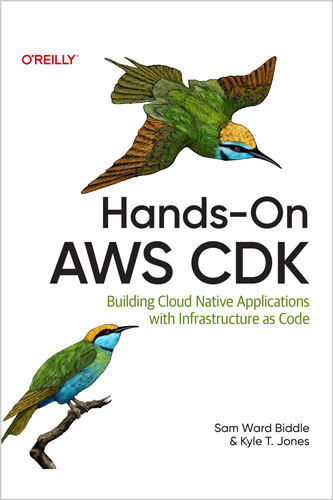
Building Cloud Native Applications with Infrastructure as Code
Sam Ward Biddle and Kyle T. Jones
#AWS
#CDK
🚀 دنبال اینی که توسعه رو سرعت بدی و اپلیکیشنهای کلاد نیتیو (Cloud Native) رو با AWS Cloud Development Kit بسازی؟ از طریق پروژههای عملی، اصول اولیه AWS CDK رو یاد میگیری، ابزاری که انتخاب خیلی از بزرگترین شرکتهای تکنولوژی دنیاست.
📚 این کتاب که بر اساس مطالعات موردی واقعی و سالها تجربه کار با معماریهای ابری در مقیاس سازمانی نوشته شده، هم برای تازهکارها و هم برای دولوپرهای حرفهای کلاد مفیده.
این کتاب شامل توضیحات گامبهگام مفاهیم ضروری، مثالهای کاربردی و سوالات خودارزیابیه تا بهت کمک کنه یه پورتفولیو قابل اشتراکگذاری از پروژههای تکمیلشده بسازی و تواناییت در ساخت زیرساخت ابری در مقیاس بالا رو نشون بدی.
🔍 چیزهایی که قراره یاد بگیری:
• مفاهیم پایه رایانش ابری، شامل فریمورک AWS Well-Architected
• نرمافزار کلاد نیتیو و زیرساختبهعنوانکد (Infrastructure as Code) به صورت End-to-end
• مزایای یک کتابخونه کد قابل استفاده مجدد برای سرعت بخشیدن به پروژهها
• ماژولهای کاربردی کد که میتونن به تنهایی کار کنن یا در جهت ساخت یه اپلیکیشن ابری یکپارچه باشن
📑 فهرست مطالب
✍️ چرا ما این کتاب رو نوشتیم
💡 این همون کتابیه که آرزو داشتیم وقتی یادگیری CDK رو شروع کردیم وجود داشت. ما دور هم جمع شدیم چون میخواستیم پروژههای واقعی رو توی فضایی بسازیم که جذاب و آموزنده باشه، و میخواستیم احساس آمادگی کامل کنیم برای اینکه اپلیکیشنهای ابری واقعی پروداکشن رو با CDK بسازیم.
از اونجایی که همچین کتابی وجود نداشت، تصمیم گرفتیم خودمون برات بنویسیمش. ما میدونیم که وقتی داری یه تکنولوژی جدید میسازی، بازدهی زمانی خیلی مهمه. این کتاب قراره یه راهنمای جامع باشه تا چیستی، چرایی و چگونگی CDK رو یاد بگیری و پروژههای واقعی بسازی که بتونی به عنوان پورتفولیو دیجیتال نشون بدی یا به اشتراک بذاری.
👥 این کتاب برای چه کسانی است
🎯 این کتاب برای توسعهدهندهها، دانشجوها، کسانی که تفریحی کد میزنن و کنجکاوان حوزه کلاد (Cloud) مناسبه.
این کتاب برای کسانیه که AWS CloudFormation، Terraform، Ansible و خیلی ابزارهای دیگه رو امتحان کردن ولی دنبال چیزی بودن که بیشتر شبیه برنامهنویسی شیگرا باشه و کمتر حالت توصیفی (Declarative) داشته باشه. این کتاب برای تیمهاییه که میخوان CDK رو به کار بگیرن. اگه تا اینجا اومدی، این کتاب مال خودته.
📖 نحوه استفاده از این کتاب
🛠 این کتاب ابزاریه برای تو تا به هر روشی که بیشتر به کارت میاد ازش استفاده کنی. اینجا چندتا گزینه هست که چطور ممکنه از کتاب استفاده کنی، ولی تصمیم با خودته:
• کتاب رو به ترتیب از اول تا آخر بخون.
• به عنوان یه مرجع بهش نگاه کن و هر وقت لازم داشتی به فصلهای خاص مراجعه کن.
• به صورت آزاد بخون، فصلهای تصادفی رو انتخاب کن و همزمان با پروژهها پیش برو.
🧠 ما میخوایم این کتاب حتی بعد از اینکه پروژهها رو تموم کردی، به عنوان یه مرجع مفید به کارت بیاد. هدف ما اینه که یاد بگیری CDK چطور کار میکنه، نه اینکه دستورالعملهای خاصی رو حفظ کنی که خروجیهای استاندارد میدن. اونها رو هر وقت لازم بود میتونی سرچ کنی.
اگه ما خودمون میخواستیم برای اولین بار این متن رو بخونیم، با یه کامپیوتر، یه نوشیدنی مورد علاقه و یه جای ساکت راحت مینشستیم. احتمالا هر فصل و پروژه مربوط به اون رو توی یه نشست تموم میکردیم، تا وقتی که پروژه پورتفولیو خودمون رو بسازیم.
بعد از یک بار خوندن، موقع ساخت پروژههای شخصی و کاری به عنوان مرجع به متن برمیگشتیم. شاید فصلهای خاصی رو به یه دوست کنجکاو پیشنهاد بدیم و کتاب رو بهش قرض بدیم، ولی حواسمون هست که حتما پسش بگیریم تا به نفر بعدی قرض بدیم.
👨💻 درباره نویسنده
🏢 سام وارد بیدل (Sam Ward Biddle)، معمار ارشد راهکارهای (Senior Solutions Architect) انرژی، خدمات رفاهی و انرژیهای تجدیدپذیر در Amazon Web Services (AWS) هست. تخصص اون در معماری، ساخت و تحقیق روی راهکارهای رایانش ابری برای انرژیهای تجدیدپذیر، پایش و اندازهگیری آلایندهها، اینترنت اشیاء صنعتی (Industrial IoT) و سیستمهای نهفته (Embedded) هست.
سام با مشتریان حوزه انرژی و خدمات رفاهی کار میکنه تا راهکارهای ابری با تمرکز بر انرژیهای تجدیدپذیر، برقیسازی، کربنزدایی و گذار انرژی بسازه. توی این نقش، اون مستقیماً با مشتریان کار میکنه تا معماری اپلیکیشنهاشون رو طراحی کنن، پروتوتایپ بسازن و پیادهسازی راهکار رو به صورت استراتژیک و تاکتیکی مدیریت کنن.
همچنین به عنوان رهبر فنی برای دو مخزن راهنمای راهکارهای متنباز (Open-source) فعالیت میکنه: یه راهکار دادههای کربنزدایی و یه مخزن کد شتابدهنده راهکار برای شرکتهای انرژی (که به عنوان کتابخونه پیادهسازیهای زیرساختبهعنوانکد با CDK ساخته شده). علاوه بر این، سام توسعهدهنده مشارکتکننده در پروژههای متنباز شامل انرژیهای تجدیدپذیر، پایش انرژی خانگی و هوافضا هست. سام مدرک کارشناسی ارشد آموزش از دانشگاه پنسیلوانیا و کارشناسی جامعهشناسی محاسباتی از کالج رید (Reed College) داره.
⚡️ کایل جونز (Kyle Jones) رهبری معماری راهکارها برای انرژی، خدمات رفاهی و انرژیهای تجدیدپذیر در آمریکای شمالی رو برای AWS بر عهده داره. توی نقشش، اون با شرکتهای پیشرو در انرژیهای نو و شرکتهای خدمات رفاهی متعلق به سرمایهگذاران کار میکنه تا پیچیدهترین مشکلات گذار انرژی رو با استفاده از کلاد حل کنن.
تخصص اون راهنمایی شرکتها در مسیر سفر به کلاد با راهکارهایی مثل اینترنت اشیاء، رایانش با کارایی بالا (High-Performance Computing) و هوش مصنوعی/یادگیری ماشین هست. خارج از AWS، اون استاد کمکی مدیریت پروژه و آنالیتیکس در دانشگاه آمریکن هست. کایل دارای مدرک حرفهای مدیریت پروژه (PMI-PMP) و متخصص تحلیل حرفهای (INFORMS CAP) هست. اون دکترای مهندسی سیستم از دانشگاه جورج واشنگتن و کارشناسی ارشد اقتصاد کاربردی از دانشگاه هاروارد داره.
Looking to accelerate development and build cloud native applications with AWS Cloud Development Kit? Through hands-on projects, you'll learn the basics of AWS CDK, the tool of choice for many of the world's largest technology companies.
Informed by real case studies and years of work with enterprise-scale cloud architectures, this book will benefit both novice and advanced cloud developers. It's complete with step-by-step explanations of essential concepts, practical examples, and self-assessment questions to help you build a shareable portfolio of completed projects, demonstrating your ability to build cloud infrastructure at scale.
You'll explore:
Table of Contents
Chapter 1. Getting Started with CDK
Chapter 2. Hello, CDK!
Chapter 3. Introducing CDK and AWS Constructs
Chapter 4. Integrating CDK Constructs
Chapter 5. Building Multistack CDK Applications
Chapter 6. Packaging and Deploying Lambda Functions
Chapter 7. Extending CDK Constructs
Chapter 8. Creating New Custom CDK Constructs
Chapter 9. Working with CDK Custom Resources
Chapter 10. Working with Third-Party CDK Constructs
Chapter 11. Testing CDK Applications
Chapter 12. Automating DevSecOps for CDK
Chapter 13. Contributing to CDK
Chapter 14. Architecting, Building, and Publishing a Portfolio CDK Application
Why We Wrote This Book
This is the book we wish had existed when we started learning CDK. We came together around the idea for this book because we wanted to build real projects in a context that was engaging and informative, and we wanted to feel well prepared to build real production cloud applications using CDK. Since such a book didn’t exist, we decided to write it for you. We know that time efficiency is important when you’re building a new technology. This book is meant to be a one-stop guide to learn the what, why, and how of CDK and build real projects that you can show or share as a digital portfolio.
Who This Book Is For
This book is for developers, students, hobbyists, and the cloud-curious. This book is for people who have tried AWS CloudFormation, Terraform, Ansible, and many other tools but wanted something more like object-oriented programming and less declarative. This book is for teams looking to adopt CDK. If you made it this far, this book is for you.
How to Use This Book
The book is a tool for you to use in the ways that best suit your needs. Here are some options for how you might use the book, but you get to decide how you use it:
We want this book to serve as a useful reference even after you have completed the projects. Our goal is for you to learn how CDK works, not to memorize specific recipes that produce standard outcomes. You can look those up as needed. If we were picking up the text for the first time, we would get comfortable with a computer to work on, a favorite beverage, and a quiet place. We would probably complete a chapter and corresponding project each in a single sitting, until we had built our own portfolio project. After reading once, we would return to the text as a reference when building personal and work projects. We might recommend specific chapters to a curious friend and lend the book to them, always sure to get it back to lend to the next person.
Sam Ward Biddle is a Senior Solutions Architect for Power, Utilities, and Renewable Energy for Amazon Web Services (AWS). He specializes in architecting, building, and researching cloud computing solutions for renewable energy, emissions monitoring and measurement, industrial IoT, and embedded systems. Sam works with energy and utilities customers to build cloud solutions with a focus on renewable energy, electrification, decarbonization, and energy transition. In this role, he works directly with customers to architect their applications, build prototypes, and manage solution implementation strategically and tactically. In this role he also serves as the technical lead for two open-source solutions guidance repositories: a decarbonization data solution, and a solution accelerator code repository for energy companies (built as a library of Infrastructure as Code implementations with CDK). In addition, Sam is a contributing developer for open-source projects spanning renewable energy, home energy monitoring, and aerospace. Sam holds a Master of Science in Education from the University of Pennsylvania, and a Bachelor of Arts in Computational Sociology from Reed College.
Kyle Jones leads solutions architecture for Power, Utilities, and Renewable Energy in North America, for Amazon Web Services (AWS). In his role, he works with leading new energies companies and investor-owned utilities to solve the most complex problems in the energy transition by using the cloud. He specializes in guiding companies through the cloud journey with solutions like the Internet of Things, High-Performance Computing, and Artificial Intelligence/Machine Learning. Outside of AWS, he is an adjunct professor of project management and analytics at American University. Kyle is a Project Management Professional (PMI-PMP) and Certified Analytics Professional (INFORMS CAP). He holds a doctorate in systems engineering from George Washington University and a master's in applied economics from Harvard University.