ثبت نام / ورود
0
ثبت نام / ورود
0
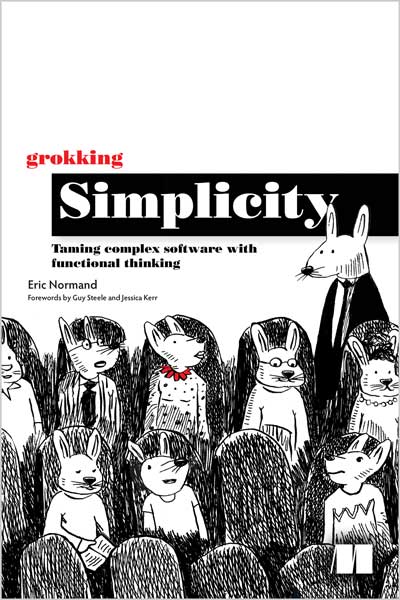
Taming complex software with functional thinking
Eric Normand
#Grokking
#Simplicity
#simpler_code
#Developers
#modern_software
📘 در نهایت، برنامهنویسی تابعی که واقعاً برای توسعهدهندههای عملی معنا پیدا میکند
🚀 این کتاب بالاخره یه نگاه کاملاً کاربردی به Functional Programming ارائه میده؛ چیزی که مستقیم به درد توسعهدهندههایی میخوره که با سیستمهای واقعی و پیچیده درگیرن، نه صرفاً مفاهیم تئوریک.
🧠 مدل کلیدی: Actions, Calculations, and Data
⚙️ هسته اصلی کتاب روی یک چارچوب مهم به اسم Actions, Calculations, and Data بنا شده؛ مدلی که طرز فکر تو نسبت به پیچیدگی کد رو عوض میکنه.
🧩 با این مدل یاد میگیری:
🔧 چیزهایی که یاد میگیری
⚡ تکنیکهای دیباگ عملی:
♻️ ریفکتورینگ واقعی:
🏗️ الگوهای آماده Production:
🤝 مهارتهای تیمی:
👨💻 مخاطب کتاب
⚡ توسعهدهندههای ۲ تا ۵ سال تجربه
بدون ریاضیات سنگین یا فضای آکادمیک. همه چیز از مفاهیمی شروع میشه که از قبل بلدی و سریع تبدیل میشه به مهارتهایی که همون هفته میتونی تو پروژه استفاده کنی.
🏢 برای Seniorها و تیمها
🧠 این کتاب رو میشه با خیال راحت به کل تیم معرفی کرد؛ چون مثالهاش واقعی و نزدیک به کدبیسهای موجوده، نه پروژههای فرضی greenfield.
🔥 چی این کتاب رو متفاوت میکنه
📦 برخلاف کتابهای تئوریک Functional Programming، این یکی مستقیم میره سراغ مسئلههای واقعی:
📊 بیش از ۵۰۰ دیاگرام + تکامل مرحلهبهمرحله کد باعث میشه مفاهیم پیچیده واقعاً قابل لمس بشن.
⚙️ جمعبندی ایده کتاب
🌍 دنیای امروز پر از پیچیدگیه: distributed systems، async flowها، concurrency و…
🚫 رویکردهای کلاسیک OOP همیشه جوابگو نیستن.
🧠 این کتاب ابزارهای ذهنیای میده که برنامهنویسهای حرفهای برای کنترل این پیچیدگی و ساخت سیستمهای قابل اعتماد در مقیاس استفاده میکنن.
📚 فهرست مطالب
بخش ۱: Actions، Calculations و Data
۱ خوشآمد به Grokking Simplicity
۲ تفکر تابعی در عمل
۳ تفکیک Actions، Calculations و Data
۴ استخراج Calculations از Actions
۵ بهبود طراحی Actions
۶ حفظ immutability در زبانهای mutable
۷ کار با کد غیرقابل اعتماد و immutability
۸ طراحی لایهای (Stratified Design) بخش ۱
۹ طراحی لایهای (Stratified Design) بخش ۲
بخش ۲: Abstractionهای درجهیک
۱۰ توابع درجهیک بخش ۱
۱۱ توابع درجهیک بخش ۲
۱۲ iteration تابعی
۱۳ زنجیرهسازی ابزارهای functional
۱۴ کار با دادههای تو در تو
۱۵ ایزولهسازی timelineها
۱۶ اشتراک منابع بین timelineها
۱۷ هماهنگسازی timelineها
۱۸ معماری reactive و onion
۱۹ مسیر ادامه در Functional Programming
⭐ نقدها و بازخوردها
🧠 «یکی از شهودیترین و دقیقترین کتابها برای سادهسازی نرمافزار. به همه توسعهدهندهها توصیه میشه.»
— راب پاکهکو، Vision Government Solutions
⚙️ «این کتاب برای مدیریت پیچیدگی نرمافزار ضروریه و جزو جذابترین کتابهای سالهای اخیر محسوب میشه.»
— مایکل آیدینباس، EXXETA AG
🤝 «منبع خیلی خوب برای یادگیری تفکر تابعی و تکنیکهای عملی مرتبط با اون.»
— جویل لوکا، Geniem
🚀 «راهنمای ضروری برای شناسایی و کنترل پیچیدگی.»
— برایان میلر، Petrolitix
🔥 «بهترین کتاب Functional Programming برای هر سطحی از توسعهدهنده. ایده Actions/Data/Calculations نگاه برنامهنویسی رو بازتعریف میکنه.»
— ژن کیم، نویسنده The Unicorn Project
👨🏫 درباره نویسنده
🧠 اریک نورمَند از سال ۲۰۰۷ روی آموزش Functional Programming به توسعهدهندههای واقعی کار میکنه.
🏢 تجربه مشاوره با استارتاپها تا شرکتهای Fortune 500 داره و تمرکزش همیشه روی کاربرد عملی FP در سیستمهای واقعی بوده.
🚀 رویکردش کاملاً business-driven هست و به هزاران توسعهدهنده کمک کرده بدون درگیر شدن با پیچیدگیهای آکادمیک، سطح مهارتشون رو بالا ببرن.
Finally, functional programming that actually makes sense for working developers.
Master the game-changing "Actions, Calculations, and Data" framework that transforms how you think about code complexity. Stop wrestling with distributed systems bugs, testing nightmares, and unmaintainable code. This practical guide teaches you the professional functional programming skills that top developers use to build reliable, scalable systems.
What You'll Learn:
Perfect for Two Types of Developers:
Ready to Level Up? (2-5 years experience)
No scary math or academic theory. Start with concepts you already know and build practical skills you can use Monday morning. Every technique works in JavaScript, Python, Java, or whatever language you're using now.
Looking for a Team Resource? (Senior developers)
Finally, the functional programming book you can confidently recommend to your entire team. Practical, business-focused examples that work with existing codebases - not greenfield rewrites.
What Makes This Different:
Unlike academic FP books that get lost in theory, this guide solves real problems:
500+ diagrams and step-by-step code evolution make complex concepts crystal clear. No prior functional programming experience required.
The Bottom Line:
Your code is getting more complex. Distributed systems, asynchronous operations, and multi-threaded environments are the new normal. Traditional object-oriented approaches aren't enough anymore.
This book gives you the mental tools professional functional programmers use to tame complexity and build systems that actually work reliably at scale.
Table of Contents
Part 1: Actions, calculations, and data
1 Welcome to Grokking Simplicity
2 Functional thinking in action
3 Distinguishing actions, calculations, and data
4 Extracting calculations from actions
5 Improving the design of actions
6 Staying immutable in a mutable language
7 Staying immutable with untrusted code
8 Stratified design: Part 1
9 Stratified design: Part 2
Part 2: First-class abstractions
10 First-class functions: Part 1
11 First-class functions: Part 2
12 Functional iteration
13 Chaining functional tools
14 Functional tools for nested data
15 Isolating timelines
16 Sharing resources between timelines
17 Coordinating timelines
18 Reactive and onion architectures
19 The functional journey ahead
"The most insightful and intuitive guide to clean and simple software. I recommend this to all software developers."
— Rob Pacheco, Vision Government Solutions
"This book is a must-read for taming complex software. One of the most engaging titles in years."
— Michael Aydinbas, EXXETAAG
"A great resource for learning functional thinking and the practical programming techniques derived from it. I can recommend to my colleagues with confidence."
— Joel Luukka, Geniem
"An indispensable guide to identifying and conquering complexity."
— Bryan Miller, Petrolitix
"Fantastic book. I think it's the best book on functional programming for programmers of any level. It uses the concepts of Actions, Data, and Calculations to reframe programming. I think it's brilliant. I loved reading your early drafts of your book -- I would have called it a book on how to write valuable features that is liberated from the tar pits of astonishing amounts of complexity."
— Gene Kim, author of The Unicorn Project
About the Author:
Eric Normand has been teaching functional programming to working developers since 2007. He's consulted with companies from startups to Fortune 500s, helping them adopt FP practices that improve their bottom line. His practical, business-focused approach has helped thousands of developers level up their skills without the academic intimidation.