ثبت نام / ورود
0
ثبت نام / ورود
0
Luis G. Serrano
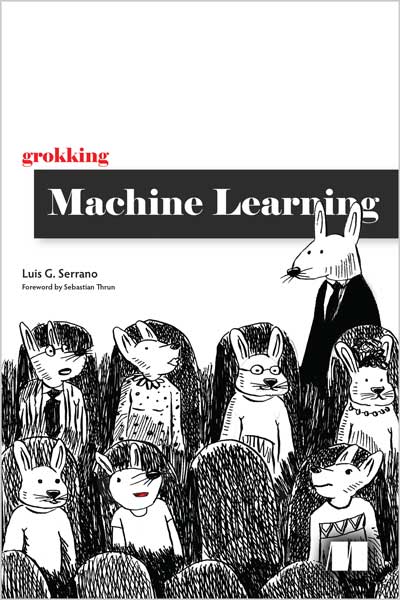
#Grokking
#ML
#Machine_Learning
#networks
#algorithms
📘 کشف تکنیکهای ارزشمند یادگیری ماشین با ریاضیات در حد دبیرستان
🧠 این کتاب بهت کمک میکنه تکنیکهای مهم Machine Learning رو یاد بگیری و مستقیماً توی پروژههات استفاده کنی؛ بدون اینکه وارد ریاضیات سنگین یا مفاهیم پیچیده دانشگاهی بشی.
🚀 در Grokking Machine Learning یاد میگیری:
⚙️ درباره تکنولوژی
🧠 یادگیری ماشین مجموعهای از تکنیکها برای تحلیل دادههاست که هرچه داده بیشتری بهش بدی، نتایج بهتری تولید میکنه.
🌍 این تکنولوژی پشت خیلی از سیستمهای مدرن امروزیه مثل:
📌 این کتاب مفاهیم اصلی ML رو با مثالهای قابل لمس و تمرینهای ساده توضیح میده، بدون اصطلاحات پیچیده و آکادمیک.
📖 درباره کتاب
🧩 Grokking Machine Learning الگوریتمها و تکنیکهای ML رو طوری توضیح میده که برای هر کسی قابل فهم باشه.
📌 تمرکز کتاب روی یادگیری عملی با پایتونه، نه فرمولهای سنگین.
🛠️ در طول کتاب پروژههایی مثل این میسازی:
🔥 آنچه داخل کتاب هست
👨💻 مخاطب کتاب
🐍 برای کسانی که فقط Python پایه بلد هستن طراحی شده.
📌 نیازی به پیشزمینهی یادگیری ماشین نداری.
📚 فهرست مطالب
۱. یادگیری ماشین چیست؟ مثل عقل سلیم، اما توسط کامپیوتر
۲. انواع یادگیری ماشین
۳. رسم یک خط نزدیک به نقاط: رگرسیون خطی
۴. بهینهسازی فرآیند آموزش: Underfitting، Overfitting، تست و Regularization
۵. استفاده از خط برای جدا کردن نقاط: الگوریتم پرسپترون
۶. رویکرد پیوسته برای جداسازی: طبقهبندهای لجستیک
۷. ارزیابی مدلهای طبقهبندی: دقت و معیارهای مشابه
۸. استفاده حداکثری از احتمال: مدل Naive Bayes
۹. تقسیم داده با پرسیدن سؤال: درختهای تصمیم
۱۰. ترکیب اجزا برای قدرت بیشتر: شبکههای عصبی
۱۱. پیدا کردن مرزها با سبک: SVM و Kernel Method
۱۲. ترکیب مدلها برای نتیجه بهتر: Ensemble Learning
۱۳. پیادهسازی عملی: مثال واقعی از Data Engineering و Machine Learning
👨🏫 درباره نویسنده
🧠 لوئیس جی. سرانو یک پژوهشگر در حوزه Quantum AI در شرکت Zapata Computing هست.
🏢 او سابقه کار در Google بهعنوان Machine Learning Engineer و در Apple بهعنوان Lead AI Educator رو داره. همچنین در Udacity مسئول تولید محتوای AI و Data Science بوده.
🎓 دکتری ریاضی از University of Michigan داره و تحقیقات پسادکتری خودش رو در دانشگاه Quebec انجام داده.
📺 همچنین یک کانال یوتیوب محبوب در زمینه ML داره با بیش از ۷۵ هزار دنبالکننده و میلیونها بازدید.
Discover valuable machine learning techniques you can understand and apply using just high-school math.
In Grokking Machine Learning you will learn:
Grokking Machine Learning teaches you how to apply ML to your projects using only standard Python code and high school-level math. No specialist knowledge is required to tackle the hands-on exercises using Python and readily available machine learning tools. Packed with easy-to-follow Python-based exercises and mini-projects, this book sets you on the path to becoming a machine learning expert.
About the technology
Discover powerful machine learning techniques you can understand and apply using only high school math! Put simply, machine learning is a set of techniques for data analysis based on algorithms that deliver better results as you give them more data. ML powers many cutting-edge technologies, such as recommendation systems, facial recognition software, smart speakers, and even self-driving cars. This unique book introduces the core concepts of machine learning, using relatable examples, engaging exercises, and crisp illustrations.
About the book
Grokking Machine Learning presents machine learning algorithms and techniques in a way that anyone can understand. This book skips the confused academic jargon and offers clear explanations that require only basic algebra. As you go, you’ll build interesting projects with Python, including models for spam detection and image recognition. You’ll also pick up practical skills for cleaning and preparing data.
What's inside
Supervised algorithms for classifying and splitting data
Methods for cleaning and simplifying data
Machine learning packages and tools
Neural networks and ensemble methods for complex datasets
About the reader
For readers who know basic Python. No machine learning knowledge necessary.
Table of Contents
1. What is machine learning? It is common sense, except done by a computer
2. Types of machine learning
3. Drawing a line close to our points: Linear regression
4. Optimizing the training process: Underfitting, overfitting, testing, and regularization
5. Using lines to split our points: The perceptron algorithm
6. A continuous approach to splitting points: Logistic classifiers
7. How do you measure classification models? Accuracy and its friends
8. Using probability to its maximum: The naive Bayes model
9. Splitting data by asking questions: Decision trees
10. Combining building blocks to gain more power: Neural networks
11. Finding boundaries with style: Support vector machines and the kernel method
12. Combining models to maximize results: Ensemble learning
13. Putting it all in practice: A real-life example of data engineering and machine learning
About the Author
Luis G. Serrano is a research scientist in quantum artificial intelligence at Zapata Computing. He has worked previously as a Machine Learning Engineer at Google, as a Lead Artificial Intelligence Educator at Apple, and as the Head of Content in Artificial Intelligence and Data Science at Udacity. Luis has a PhD in mathematics from the University of Michigan, a bachelor’s and master’s in mathematics from the University of Waterloo, and worked as a postdoctoral researcher at the Laboratoire de Combinatoire et d’Informatique Mathématique at the University of Quebec at Montreal. Luis maintains a popular YouTube channel about machine learning with over 75,000 subscribers and over 3 million views, and is a frequent speaker at artificial intelligence and data science conferences.