ثبت نام / ورود
0
ثبت نام / ورود
0
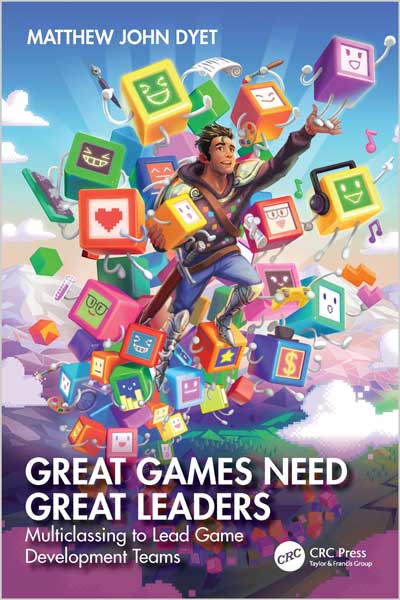
Multiclassing to Lead Game Development Teams
Matthew John Dyet
#Leaders
#Games
#Acting
#Multiclassing
#Inspiring
This book brings together the knowledge and perspectives of numerous past and present games industry leaders and practitioners to form a clear picture of how leadership operates in a game development studio. It identifies the ways in which things are changing or can change for the better in the games industry and provides a set of tools for the reader to use in their own professional practice.
Embark on a journey with this book to understand how great leaders help make great games. These leaders embrace change through a broad set of skills intended to empower and nurture the teams they find themselves responsible for. Through the lens of three fantasy roleplaying classes – the Warrior, the Bard, and the Cleric – readers will understand the wide variety of skills and considerations involved in leading game developers well. The book includes interviews with games industry leaders including: Anna Barham, Dr Raffael Boccamazzo, Branden Buffalo, Jetha Chan, Alayna Cole, Luke Dicken, Amy Louise Doherty, Osama Dorias, Megan Fox, Keith Fuller, Jason Imms, Jonathan Jennings, Dr JC Lau, Jean Leggett, Dr Marija Koprivica Lelićanin, Emily MacMahon, Lazar Mesaros, Chima Denzel Ngerem, Damon Reece, Liana Ruppert, Camden Stoddard, Anthony Sweet, and Zenuel.
This book will be of great interest to anybody curious about or currently working in games development.
Table of Contents
Part 1: Leadership
CRUNCH
Chapter 1.1 : Fundamentals
Chapter 1.2: Multiclassing
Part 2: The Warrior
Chapter 2.1 : Acting
Chapter 2.2: Enabling
Part 3: The Bard
Chapter 3.1 : Speaking
Chapter 3.2: Inspiring
Part 4: The Cleric
Chapter 4.1 : Feeling
Chapter 4.2: Knowing
About the Author
Matthew John Dyet is a man of many hats: an IGDA Foundation Scholar in 2013, he’s now a producer with a decade of experience in game development, lecturer at the SAE University College, and a published author. With experience developing a variety of games from physical educational exhibit pieces to commercial releases on consoles, his experience in the industry is broad. He completed a Masters by research on games industry leadership to seek ways to help train the next generation of leaders, interviewing current practitioners and leaders in the industry to gather their insights. This informed his writing of the book Great Games Need Great Leaders: Multiclassing to Lead Game Development Teams. He is now pursuing another two books looking at other ways working conditions can be improved for current and future game developers.