ثبت نام / ورود
0
ثبت نام / ورود
0
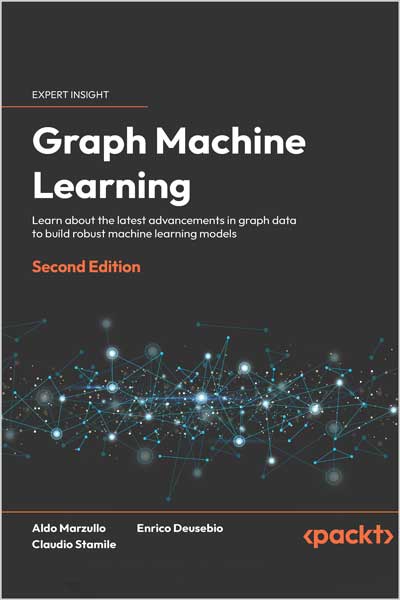
Learn about the latest advancements in graph data to build robust machine learning models
Aldo Marzullo, Enrico Deusebio, Claudio Stamile
#Graph
#Machine_Learning
#ML
#algorithms
#graph_theory
#Python
#GraphML
#LLMs
🚀 مهارتهای Data Science خودت رو با این ویرایش بهروز ارتقا بده؛ ویرایشی که فصلهای جدیدی درباره LLMها و گرافهای زمانی داره و مثالهاش با فریمورکهای مدرنی مثل PyTorch Geometric و Deep Graph Library یا DGL بازنویسی شدهاند.
✨ ویژگیهای کلیدی
🧠 تکنیکهای جدید Graph ML رو با مثالهای بهروز مبتنی بر PyTorch Geometric و DGL یاد میگیری
🧩 فریمورکهای Graph Machine Learning و ویژگیهای اصلی هرکدوم رو بررسی میکنی
🤖 از LLMها برای یادگیری ماشین روی گرافها استفاده میکنی و با یادگیری روی گرافهای زمانی آشنا میشی
📘 توضیح کتاب
🕸️ ویرایش دوم کتاب Graph Machine Learning موفقیت نسخه قبلی رو ادامه میده و جدیدترین ابزارها و تکنیکهای این حوزه سریعالتغییر رو ارائه میده. از مبانی نظریه گراف تا مدلهای پیشرفته یادگیری ماشین جلو میری و یاد میگیری چطور دادهها رو بهشکل گراف نمایش بدی تا الگوها و رابطههای پنهان رو کشف کنی. تمرکز کتاب روی پیادهسازی عملیه و مثالهای کدنویسی آن هم بهطور کامل بهروز شدهاند.
🛠️ در این ویرایش، مثالهای قدیمی با گزینههای مدرنتری مثل PyTorch Geometric و DGL جایگزین شدهاند. کدهای کتاب هم روی GitHub در دسترسن تا بتونی مطالب رو راحتتر دنبال و تمرین کنی.
⏳ کتاب فصلهای جدیدی درباره مدلهای زبانی بزرگ و یادگیری روی گرافهای زمانی اضافه میکنه و نگاه عمیقتری به فریمورکهای مدرن Graph ML میده. این کتاب قرار نیست فقط یک آموزش قدمبهقدم باشه؛ تمرکزش روی ساخت روشهای بنیادی حل مسئله است، تا حتی وقتی ابزارها و تکنولوژیها تغییر میکنن، همچنان بتونی از این مهارتها استفاده کنی. همینطور یک چارچوب روشن در اختیارت میذاره تا ابزارهای مختلف رو ارزیابی کنی و گزینه مناسب رو انتخاب کنی.
🎯 تا پایان کتاب، هم درک محکمی از تئوری Graph Machine Learning پیدا میکنی و هم مهارتهای لازم رو به دست میاری تا از آن برای حل چالشهای واقعی استفاده کنی.
🎯 چیزهایی که یاد میگیری
⚙️ الگوریتمهای Graph ML رو با مثالهایی در StellarGraph، PyTorch Geometric و DGL پیادهسازی میکنی
⏱️ تحلیل گراف رو با استفاده از Temporal Graph ML روی دیتاستهای پویا به کار میگیری
📝 پردازش زبان طبیعی و تحلیل متن رو با تکنیکهای مبتنی بر گراف بهتر میکنی
🧩 مسئلههای پیچیده دنیای واقعی رو با Graph Machine Learning حل میکنی
🏗️ اپلیکیشنهای یادگیری ماشین مبتنی بر گراف رو بهشکل مؤثر میسازی و اسکیل میکنی
🚀 اپلیکیشن خودت رو بهصورت روان دیپلوی و مقیاسپذیر میکنی
👤 این کتاب برای چه کسانیه؟
👨💻 این کتاب برای دانشمندهای داده، متخصصهای یادگیری ماشین و کارشناسان گراف نوشته شده که میخوان دانش خودشون رو در تحلیل دادههای گرافی عمیقتر کنن یا ابزارهای بیشتری به جعبهابزار Machine Learning خودشون اضافه کنن. آشنایی قبلی با Python و اصلهای پایه یادگیری ماشین پیشنهاد میشه.
📖 فهرست مطالب
فصل ۱. شروع کار با گرافها
فصل ۲. یادگیری ماشین روی گرافها
فصل ۳. شبکههای عصبی و گرافها
فصل ۴. یادگیری بدونناظر روی گرافها
فصل ۵. یادگیری باناظر روی گرافها
فصل ۶. حل مسئلههای رایج یادگیری ماشین مبتنی بر گراف
فصل ۷. گرافهای شبکه اجتماعی
فصل ۸. تحلیل متن و پردازش زبان طبیعی با استفاده از گرافها
فصل ۹. تحلیل گرافی تراکنشهای کارت اعتباری
فصل ۱۰. ساخت یک اپلیکیشن دادهمحور مبتنی بر گراف
فصل ۱۱. یادگیری ماشین روی گرافهای زمانی
فصل ۱۲. Graph ML و LLMها
فصل ۱۳. ترندهای جدید در حوزه گرافها
👤 درباره نویسندگان
👨🔬 آلدو مارتزولو در سپتامبر ۲۰۱۶ مدرک کارشناسی ارشد علوم کامپیوتر خودش رو از University of Calabria در کوزنتسا، ایتالیا دریافت کرد. او در دوران تحصیل، پایه علمی محکمی در حوزههایی مثل طراحی الگوریتم، نظریه گراف و یادگیری ماشین ساخت.
🎓 او در ژانویه ۲۰۲۰ دکترای مشترک خودش رو از University of Calabria و Université Claude Bernard Lyon 1 در لیون فرانسه دریافت کرد. عنوان پایاننامه او Deep Learning and Graph Theory for Brain Connectivity Analysis in Multiple Sclerosis بود. آلدو در حال حاضر پژوهشگر پسادکتراست و با چندین مؤسسه بینالمللی همکاری میکنه.
👨💼 انریکو دئوسبیو در حال حاضر بهعنوان Engineering Manager در Canonical، ناشر Ubuntu، فعالیت میکنه. تمرکز او روی گسترش تکنولوژیهای Open Source در حوزه داده و AI و در دسترستر کردن آنها برای همه است.
🌐 او بیش از ۱۵ ساله که در محیطهای دانشگاهی و صنعتی با دادهها و محاسبات توزیعشده کار میکنه و به سازمانها کمک کرده استراتژیهای دادهمحور رو پیادهسازی کنن و راهکارهای مبتنی بر AI بسازن. او با دانشگاههای مطرحی مثل University of Cambridge، University of Turin و Royal Institute of Technology یا KTH در استکهلم همکاری داشته و در سال ۲۰۱۴ مدرک دکترای خودش رو از KTH گرفته. انریکو مدرک کارشناسی و کارشناسی ارشد مهندسی هوافضا رو هم از Politecnico di Torino دریافت کرده.
👨🔬 کلودیو استامیله در سپتامبر ۲۰۱۳ مدرک کارشناسی ارشد علوم کامپیوتر خودش رو از University of Calabria در کوزنتسا، ایتالیا دریافت کرد. او در سپتامبر ۲۰۱۷ هم دکترای مشترک خودش رو از KU Leuven در بلژیک و Université Claude Bernard Lyon 1 در فرانسه گرفت.
🧠 کلودیو در طول مسیر حرفهای خودش، دانش و تجربه عمیقی در AI، نظریه گراف و یادگیری ماشین به دست آورده و تمرکز اصلی کارش روی کاربرد این تکنولوژیها در حوزه پزشکی و زیستپزشکی بوده.
Enhance your data science skills with this updated edition featuring new chapters on LLMs, temporal graphs, and updated examples with modern frameworks, including PyTorch Geometric, and DGL
Graph Machine Learning, Second Edition builds on its predecessor’s success, delivering the latest tools and techniques for this rapidly evolving field. From basic graph theory to advanced ML models, you’ll learn how to represent data as graphs to uncover hidden patterns and relationships, with practical implementation emphasized through refreshed code examples. This thoroughly updated edition replaces outdated examples with modern alternatives such as PyTorch and DGL, available on GitHub to support enhanced learning.
The book also introduces new chapters on large language models and temporal graph learning, along with deeper insights into modern graph ML frameworks. Rather than serving as a step-by-step tutorial, it focuses on equipping you with fundamental problem-solving approaches that remain valuable even as specific technologies evolve. You will have a clear framework for assessing and selecting the right tools.
By the end of this book, you’ll gain both a solid understanding of graph machine learning theory and the skills to apply it to real-world challenges.
This book is for data scientists, ML professionals, and graph specialists looking to deepen their knowledge of graph data analysis or expand their machine learning toolkit. Prior knowledge of Python and basic machine learning principles is recommended.
Aldo Marzullo received an M.Sc. degree in computer science from the University of Calabria (Cosenza, Italy) in September 2016. During his studies, he developed a solid background in several areas, including algorithm design, graph theory, and machine learning. In January 2020, he received his joint Ph.D. from the University of Calabria and Université Claude Bernard Lyon 1 (Lyon, France), with a thesis titled Deep Learning and Graph Theory for Brain Connectivity Analysis in Multiple Sclerosis. He is currently a postdoctoral researcher and collaborates with several international institutions.
Enrico Deusebio is currently working as engineering manager at Canonical, the publisher of Ubuntu, to promote open source technologies in the data and AI space and to make them more accessible to everyone. He has been working with data and distributed computing for over 15 years, both in an academic and industrial context, helping organizations implement data-driven strategies and build AI-powered solutions. He has collaborated and worked with top-tier universities, such as the University of Cambridge, University of Turin, and the Royal Institute of Technology (KTH) in Stockholm, where he obtained a Ph.D. in 2014. He holds a B.Sc. and an M.Sc. degree in aerospace engineering from Politecnico di Torino.
Claudio Stamile received an M.Sc. degree in computer science from the University of Calabria (Cosenza, Italy) in September 2013 and, in September 2017, he received his joint Ph.D. from KU Leuven (Leuven, Belgium) and Université Claude Bernard Lyon 1 (Lyon, France). During his career, he developed a solid background in AI, graph theory and machine learning with a focus on the biomedical field.