ثبت نام / ورود
0
ثبت نام / ورود
0
#Code
#Bug
#software_development
#software_engineer
💡 تکنیکهای عملی برای نوشتن کدی که قابل اعتماد، پایدار و برای اعضای تیم قابل فهم و توسعهپذیر باشه.
🧠 در این کتاب یاد میگیری چطور مثل یک مهندس نرمافزار حرفهای به کد نگاه کنی و کیفیتش رو به سطح بالاتری برسونی:
🎯 این کتاب بهت کمک میکنه:
🧠 مثل یک مهندس نرمافزار حرفهای به کد فکر کنی
✍️ فانکشنهایی بنویسی که مثل جملههای روان و ساختاریافته خوانده میشن
🛡️ کدی تولید کنی که پایدار باشه و باگ کمتری داشته باشه
🧪 تست یونیت (Unit Test) مؤثر بنویسی
🔍 کدهای مشکلدار رو شناسایی و اصلاح کنی
♻️ کدی بنویسی که قابل استفاده مجدد و تطبیقپذیر باشه
📈 بهرهوری میانمدت و بلندمدتت رو افزایش بدی
⏳ برای خودت و تیمت در زمان صرفهجویی کنی
💻 کیفیت کد معمولاً به این برمیگرده که چقدر خوب از اصول پذیرفتهشدهی جامعهی توسعه نرمافزار استفاده میکنی. این کتاب دقیقاً همین فاصله رو پر میکنه؛ چیزهایی که معمولاً فقط از طریق منتورینگ و صدها Code Review یاد گرفته میشن.
📌 درباره تکنولوژی
👥 توسعه نرمافزار یک کار تیمیه. برای اینکه یک اپلیکیشن موفق باشه، کد باید طوری نوشته بشه که بقیه هم بتونن راحت بفهمن، نگهداری کنن و توسعه بدن. چه در یک تیم سازمانی باشی، چه در پروژه متنباز، یا حتی در یک استارتاپ، شناخت تفاوت بین Good Code و Bad Code ضروریه.
📘 درباره کتاب
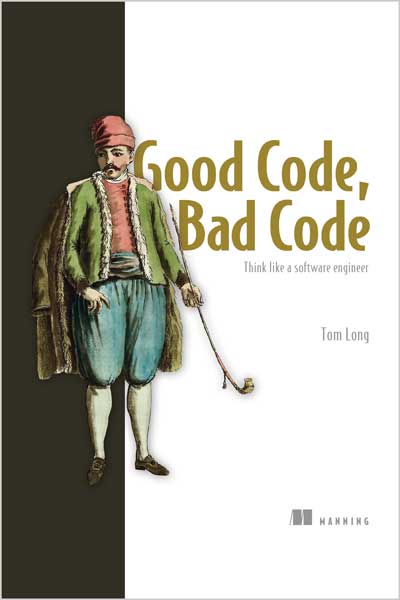
🚀 Good Code, Bad Code یک راهنمای ساده، عملی و سریع برای نوشتن کد خوانا و قابل استفادهست. این کتاب با دهها تکنیک فوری، بهت چیزهایی یاد میده که معمولاً سالها تجربه لازم دارن. نویسنده Tom Long (مهندس گوگل) هم قوانین رو توضیح میده و هم میگه کِی باید اونها رو بشکنی.
🧠 چیزهایی که داخلش یاد میگیری:
📖 نوشتن فانکشنهایی شبیه جملههای طبیعی
🐞 جلوگیری از باگ در طراحی کد
🔍 تشخیص کدهای بد و مشکلدار
⏱️ صرفهجویی در زمان تیم توسعه
👤 مخاطب کتاب
👨💻 برای برنامهنویسهای اوایل مسیر که با زبانهای شیءگرا مثل Java یا C# آشنا هستن.
📚 فهرست مطالب
بخش 1. تئوری
1. کیفیت کد
2. لایههای انتزاع (Abstraction)
3. قراردادهای بین دولوپرها
4. خطاها
بخش 2. عمل
5. خوانا کردن کد
6. جلوگیری از سورپرایز در کد
7. جلوگیری از سوءاستفاده از کد
8. ماژولار کردن کد
9. قابل استفاده مجدد و عمومیسازی کد
بخش 3. تست یونیت
10. اصول Unit Testing
11. روشهای Unit Testing
⭐ نقدها و دیدگاهها
💬 «دانش زیادی برای تقویت ابزارهای یک برنامهنویس.»
— Joe Ivans
💬 «توصیههای کاربردی برای مسیر شغلی توسعه نرمافزار.»
— George Thomas
💬 «کتابی عملی و مفید برای نوشتن کد با کیفیت بالا.»
— Christopher Villanueva
💬 «اطلاعات کاربردی، هوشمندانه و قابل اجرا برای ساخت کد قابل نگهداری.»
— Hawley Waldman
👤 درباره نویسنده
🚀 Tom Long مهندس نرمافزار در گوگل هست و به عنوان Tech Lead روی آموزش و منتورینگ دولوپرهای تازهکار و فارغالتحصیلها کار میکنه.
Practical techniques for writing code that is robust, reliable, and easy for team members to understand and adapt.
In Good Code, Bad Code you’ll learn how to:
The difference between good code or bad code often comes down to how you apply the established practices of the software development community. In Good Code, Bad Code you’ll learn how to boost your productivity and effectiveness with code development insights normally only learned through careful mentorship and hundreds of code reviews.
About the technology
Software development is a team sport. For an application to succeed, your code needs to be robust and easy for others to understand, maintain, and adapt. Whether you’re working on an enterprise team, contributing to an open source project, or bootstrapping a startup, it pays to know the difference between good code and bad code.
About the book
Good Code, Bad Code is a clear, practical introduction to writing code that’s a snap to read, apply, and remember. With dozens of instantly-useful techniques, you’ll find coding insights that normally take years of experience to master. In this fast-paced guide, Google software engineer Tom Long teaches you a host of rules to apply, along with advice on when to break them!
What's inside
About the reader
For coders early in their careers who are familiar with an object-oriented language, such as Java or C#.
Table of Contents
PART 1. IN THEORY
1. Code quality
2. Layers of abstraction
3. Other engineers and code contracts
4. Errors
PART 2. IN PRACTICE
5. Make code readable
6. Avoid surprises
7. Make code hard to misuse
8. Make code modular
9. Make code reusable and generalizable
PART 3. UNIT TESTING
10. Unit testing principles
11. Unit testing practices
"A wealth of knowledge to sharpen your toolset." Joe Ivans, California Regional MLS "Pragmatic advice and useful tips for a career in software development." George Thomas, Manhattan Associates "A practical, informative book designed to help developers writehigh-quality, effective code." Christopher Villanueva, IndependentConsultant "Smart, well written, actionable information for creating maintainable code." Hawley Waldman, Consultant
From the Back Cover
Good code or bad code? The difference often comes down to how you apply the conventions, style guides, and other established practices of the software development community. In Good Code, Bad Codeyou'll learn how to boost your effectiveness and productivity with code development insights normally only learned through years of experience, careful mentorship, and hundreds of code reviews. Good Code, Bad Codelays out lessons and mindsets that will take your code from "junior developer" to "senior engineer." This instantly useful book distils the principles of professional coding into one comprehensive and hands-on beginner's guide.
Tom Long is a software engineer at Google. He works as a tech lead, mentoring and teaching professional coding practices to new graduates and beginner software engineers.