ثبت نام / ورود
0
ثبت نام / ورود
0
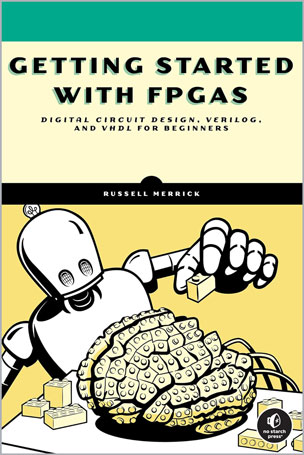
Digital Circuit Design, Verilog, and VHDL for Beginners
Russell Merrick
#FPGAs
#Digital_Circuit_Design
#Verilog
#VHDL
#SerDes
#FIFOs
#LFSRs
🚀 بیخیال پیچیدگیها شو و برنامهنویسی FPGA رو به روش آسون یاد بگیر؛ اونم با این مقدمهی کاملاً عملی و مناسب مبتدیها که طراحی مدار دیجیتال با Verilog و VHDL رو یادت میده.
💡 چه سالهاست داری با آرایههای گیت برنامهپذیر میدانی (FPGAs) کار میکنی و چه کلاً تازه با این قطعات قابل برنامهریزی آشنا شدی، این کتاب بهت یاد میده مثل یه مهندس FPGA فکر کنی و با اعتمادبهنفس، طرحهای قابلاطمینان توسعه بدی.
📘 با مثالهای کدنویسی دقیق، توضیحات باحوصله و پروژههای عملی، کتاب Getting Started with FPGAs واقعاً باعث میشه کار رو استارت بزنی. راسل مِریک، خالق وبلاگ محبوب Nandland.com، تو رو تو مسیر یادگیری مبانی منطق دیجیتال، جداول جستجو (Look-Up Tables) و فلیپفلاپها، و همچنین مفاهیم سطح بالا مثل ماشینهای حالت (State Machines) راهنمایی میکنه. اصول فرآیند بیلد کردن FPGA شامل شبیهسازی، سنتز و جانمایی و مسیریابی (Place and Route) رو بررسی میکنی. همچنین درباره عناصر کلیدی FPGA مثل بلوکهای DSP و PLLها یاد میگیری و میبینی که FPGAها چطور عملیات ریاضی و ورودی/خروجی (I/O) رو هندل میکنن.
💻 مثالهای کد هم به زبان Verilog و هم VHDL ارائه شدن، که این کتاب رو به یه منبع ارزشمند تبدیل میکنه، فارغ از اینکه انتخابِ زبانت چی باشه. تو این مسیر یاد میگیری چطور:
🔹 پیادهسازی بلوکهای طراحی رایج مثل مالتیپلکسرها، LFSRها و FIFOها رو انجام بدی
🔹 بدون ایجاد شرایط ناپایدار (Metastable) یا خطاهای زمانی، از دامنههای کلاک (Clock Domains) عبور کنی
🔹 موقع انجام محاسبات ریاضی از دامهای رایج دوری کنی
🔹 با استفاده از SerDes دادهها رو با سرعت نور ارسال و دریافت کنی
🔹 کد تستبنچ (Testbench) بنویسی تا مطمئن بشی طرحهات درست کار میکنن
🛠️ با این راهنمایِ در دسترس و عملی، خیلی زود پروژههای کاربردی FPGA خودت رو میسازی. شروع کار با FPGAها هیچوقت به این آسونی نبوده.
۱. ملاقات با FPGA
۲. راهاندازی سختافزار و ابزارها
۳. جبر بولی و جدول جستجو (LUT)
۴. ذخیره وضعیت با فلیپفلاپ
۵. تست کد با شبیهسازی
۶. ماژولهای رایج FPGA
۷. سنتز، جانمایی و مسیریابی (Place and Route)، و عبور از دامنههای کلاک
۸. ماشین حالت (State Machine)
۹. عناصر اولیه (Primitives) مفید FPGA
۱۰. اعداد و ریاضیات
۱۱. ورود و خروج داده با I/O و SerDes
پیوست الف: بردهای توسعه FPGA
پیوست ب: نکاتی برای شغل مهندسی FPGA
👤 راسل مِریک (Russell Merrick) خالق وبلاگ محبوب FPGA یعنی nandland.com و کانال یوتیوب مربوط به اونه. اون روی طراحیهای FPGA زیادی در شرکتهای Accion Systems، و همچنین BAE Systems و L-3 Communications کار کرده. راسل مدارک کارشناسی و کارشناسی ارشدش رو از دانشگاه ماساچوست امهرست و دانشگاه ماساچوست لاول گرفته.
Skip the complexity and learn to program FPGAs the easy way through this hands-on, beginner-friendly introduction to digital circuit design with Verilog and VHDL.
Whether you have been toying with field programmable gate arrays (FPGAs) for years or are completely new to these reprogrammable devices, this book will teach you to think like an FPGA engineer and develop reliable designs with confidence.
Through detailed code examples, patient explanations, and hands-on projects, Getting Started with FPGAs will actually get you started. Russell Merrick, creator of the popular blog Nandland.com, will guide you through the basics of digital logic, look-up tables, and flip-flops, as well as high-level concepts like state machines. You’ll explore the fundamentals of the FPGA build process including simulation, synthesis, and place and route. You’ll learn about key FPGA primitives, such as DSP blocks and PLLs, and examine how FPGAs handle math operations and I/O.
Code examples are provided in both Verilog and VHDL, making the book a valuable resource no matter your language of choice. You’ll discover how to:
With this accessible, hands-on guide, you’ll be creating your own functional FPGA projects in no time. Getting started with FPGAs has never been easier.
Table of Contents
Chapter 1: Meet the FPGA
Chapter 2: Setting Up Your Hardware and Tools
Chapter 3: Boolean Algebra and the Look-Up Table
Chapter 4: Storing State with the Flip-Flop
Chapter 5: Testing Your Code with Simulation
Chapter 6: Common FPGA Modules
Chapter 7: Synthesis, Place and Route, and Crossing Clock Domains
Chapter 8: The State Machine
Chapter 9: Useful FPGA Primitives
Chapter 10: Numbers and Math
Chapter 11: Getting Data In and Out with 1/0 and SerDes
Appendix A: FPGA Development Boards
Appendix B: Tips for a Career in FPGA Engineering
About the Author
Russell Merrick is the creator of the popular FPGA blog, nandland.com, and accompanying YouTube channel. He has worked on many FPGA designs at Accion Systems, as well as at BAE Systems and L-3 Communications. He holds undergraduate and graduate degrees from the University of Massachusetts Amherst and the University of Massachusetts Lowell.