ثبت نام / ورود
0
ثبت نام / ورود
0
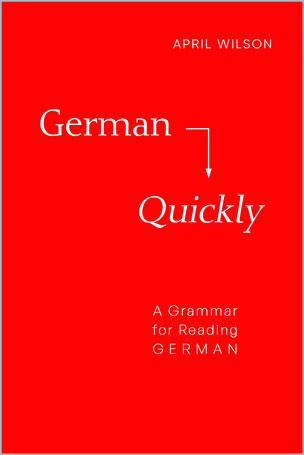
A Grammar for Reading GERMAN
April. Wilson
#Grammar
#German
#Nominative
#Accusative
#Genitive
#Dative
#Prepositions
#Passive
#Reflexive
#Verb_Tenses
📚 کتاب German Quickly یک کتاب درسی جامع، روشن و در عین حال همراه با نوعی حس سرگرمی و جذابیت است. این اثر اصول پایهٔ لازم برای خواندن متون ادبی و علمی آلمانی را در تمام سطوح دشواری آموزش میدهد. این کتاب هم میتواند بهعنوان متن مقدماتی برای پژوهشگرانی استفاده شود که هیچ پیشزمینهای در زبان آلمانی ندارند، و هم بهعنوان منبعی برای مرور و تقویت دانش زبان آلمانی برای دانشجویان عمل کند. توضیحات دستوری در این کتاب دقیق، شفاف و همراه با پرداختن به مشکلات رایج زبانآموزان در خواندن متون آلمانی ارائه شدهاند. همچنین این کتاب شامل مجموعهای از متون خواندنی تأملبرانگیز و سرگرمکننده است که عمدتاً از گزینگویهها و ضربالمثلها تشکیل شدهاند. علاوه بر این، دوازده پیوست در کتاب وجود دارد که شامل خلاصهٔ دستور زبان آلمانی، معرفی فرهنگهای لغت آلمانی، پاسخنامهٔ جزئی، راهبردهای یادگیری زبان آلمانی و بخش واژگان علوم انسانی با حدود ۳٬۸۰۰ واژه است.
📑 فهرست مطالب
فصل 1: مقدمهٔ عمومی
فصل 2: زمان حال افعال و ضمایر شخصی
فصل 3 (بخش 1): پایانهای حالتها: فاعلی، مفعولی مستقیم، ملکی، مفعولی غیرمستقیم
فصل 3 (بخش 2): پایانهای حالتها: حالت مفعولی غیرمستقیم
فصل 4: صفتها و قیدها
فصل 5 (بخش 1): حروف اضافه
فصل 5 (بخش 2): حروف اضافه
فصل 6: جایگاه پایهٔ فعل (بخش 1)
فصل 7: ضمایر
فصل 8: اسمهای ضعیف و صفتهای اسمشده
فصل 9: کاربردهای مختلف «es»
فصل 10: زمان آینده
فصل 11: مقایسه (و عالی) صفتها و قیدها
فصل 12: ترکیبهای da- و wo-
فصل 13: پیشوندهای فعلی
فصل 14: زمانهای فعل (بخش 1)
فصل 15: زمانهای فعل (بخش 2)
فصل 16: جمعها
فصل 17: نحوهٔ استفاده از فرهنگ لغت آلمانی
فصل 18: پسوندهای رایج
فصل 19: افعال کمکی وجهی
فصل 20: ساختار zu
فصل 21: حروف ربط همپایه
فصل 22: جایگاه پایهٔ فعل (بخش 2)
فصل 23: جملات وابسته (بخش 1)
فصل 24: جملات وابسته (بخش 2) – حروف ربط وابسته: wer، was، wie، wo، warum
فصل 25: جملات وابسته (بخش 3) – جملات موصولی
فصل 26: حالت انعکاسی
فصل 27: ساختار صفتهای چندمنظوره
فصل 28: مجهول
فصل 29: ساختارهایی که در انگلیسی بهصورت مجهول ترجمه میشوند؛ «مجهول ساختگی»
فصل 30: وجه التزامی نوع اول (Subjunctive I)
فصل 31: وجه التزامی نوع دوم (Subjunctive II)
فصل 32: سایر اشکال وجه التزامی
فصل 33: وقتی جمله با فعل شروع میشود
فصل 34: سایر ضمایر
فصل 35: کاربرد ویرگول
فصل 36: واژههای دشوار و چالشبرانگیز
پیوست A: راهبردهای خواندن آلمانی؛ طرح پیشنهادی درس
پیوست B: واژههای مهم
پیوست C: دستور زبان انگلیسی لازم برای یادگیری آلمانی
پیوست D: خلاصهٔ دستور زبان آلمانی
پیوست E: الگوهای افعال قوی و افعال دشوار
پیوست F: روزهای هفته، ماهها و اعداد
پیوست G: عبارات زمانی
پیوست H: پایانهای حالت ملکی و جمع اسمها
پیوست I: معرفی فرهنگهای لغت آلمانی
پیوست J: پاسخنامهٔ جزئی
پیوست K: واژگان عمومی و علوم انسانی
پیوست L: نامهای خاص آلمانی
📚 نقدها
🧠 «اپریل ویلسون باید بهخاطر ارائهٔ روشن، منطقی و موجز دستور زبان آلمانی مورد تحسین قرار گیرد؛ جایی که ضربالمثلها به متن، زندگی و بینش انسانی میبخشند. او یک ابزار آموزشی فوقالعاده در اختیار حرفه قرار داده است.»
— ولفگانگ میدر، دانشگاه ورمانت
🧠 «بر اساس دورهٔ بسیار محبوب اپریل ویلسون در دانشگاه شیکاگو، این کتاب یک اثر لذتبخش است. توضیحات دستور زبان با وضوح بالا و حساسیت نسبت به مشکلات زبانآموزان ارائه شده و متون ادبی باعث ایجاد حس پیشرفت واقعی در دانشجو میشود.»
— جوناردون گانری، دانشگاه لیورپول
👤 درباره نویسنده
📚 اپریل ویلسون از سال ۱۹۷۲ دورههای خواندن زبان آلمانی را برای دانشجویان تحصیلات تکمیلی در دانشگاه شیکاگو برگزار کرده است. او زبان آلمانی را در دوران دبیرستان بهعنوان دانشآموز تبادلی در برلین آموخته است.
German Quickly: A Grammar for Reading German is a thorough, straightforward textbook with a sense of fun. It teaches the fundamentals for reading German literary and scholarly texts of all levels of difficulty. It can be used as an introductory text for scholars with no background in German, or it can serve as a reference text for students wishing to review German. The grammar explanations are detailed and clear, addressing common problems students encounter while learning to read German. This book includes thought-provoking and entertaining reading selections consisting mainly of aphorisms and proverbs. There are also twelve appendices, including a summary of German grammar, descriptions of German dictionaries, a partial answer key, strategies for learning German, and a humanities vocabulary section of about 3,800 words.
Table of Contents
Chapter 1: A General Introduction
Chapter 2: The Present Tense of Verbs and the Personal Pronouns
Chapter 3: part I: The Case Endings: Nominative, Accusative, Genitive, Dative
Chapter 3: part II: The Case Endings: Dative Case
Chapter 4: Adjectives and Adverbs
Chapter 5: part I: Prepositions
Chapter 5: part II: Prepositions
Chapter 6: Basic Verb Placement (Part I}
Chapter 7: The Pronouns
Chapter 8: Weak Nouns and Adjectives Used as Nouns
Chapter 9: The Various Uses of Es
Chapter 10: The Future Tense
Chapter 11: Comparison (and Superlative} of Adjectives and Adverbs
Chapter 12: Da- and Wo-Compounds
Chapter 13: Verb Prefixes
Chapter 14: Verb Tenses (Part I}
Chapter 15: Verb Tenses (Part II}
Chapter 16: The Plurals
Chapter 17: How to Use a German Dictionary
Chapter 18: Common Suffixes
Chapter 19: The Modal Auxiliaries
Chapter 20: The Zu Construction
Chapter 21: Co-ordinating Conjunctions
Chapter 22: Basic Verb Placement (Part 11)
Chapter 23: Dependent Clauses (Part I)
Chapter 24: Dependent Clauses (Part 11) - Subordinating Conjunctions: Wer, Was, Wie, Wo, Warum
Chapter 25: Dependent Clauses (Part Ill) - Relative Clauses
Chapter 26: The Reflexive
Chapter 27: The Overloaded Adjective Construction
Chapter 28: The Passive
Chapter 29: Constructions to Be Translated Passively in English; the "Fake" Passive
Chapter 30: Subjunctive I
Chapter 31: Subjunctive 11
Chapter 32: Other Subjunctive Forms
Chapter 33: If a Sentence Starts with a Verb
Chapter 34: Other Pronouns
Chapter 35: Use of Commas
Chapter 36: Troublesome Words
Appendix A: Strategies for Reading German; Suggested Syllabus for German Quickly
Appendix B: Important Words
Appendix C: English Grammar Necessary for Learning German
Appendix D: Summary of German Grammar
Appendix E: Patterns for Strong/Hard Verbs a list of strong and confusing weak verbs
Appendix F: Days of the Week. the Months, and Numbers
Appendix G: Time Phrases
Appendix H: Genitive and Plural Noun Endings
Appendix I: Descriptions of German Dictionaries
Appendix J: Partial Answer Key
Appendix K: General and Humanities Vocabulary
Appendix L: German Proper Names
«April Wilson is to be congratulated for her clear, logical and concise presentations of German grammar to which the proverbs add much life and human insight. She has provided the profession with a superb pedagogical tool, and anybody studying German for reading knowledge or simply reviewing German grammar should be thankful that this book exists.» (Wolfgang Mieder, University of Vermont)
«Based on April Wilson’s very popular reading course for students in the University of Chicago community, ‘German Quickly’ is an absolute delight. It is witty, lively and exciting. The on-going adventures of Fräulein Meier and the mailman entice readers from one lesson to the next, and having them translate extracts from Nietzsche, Goethe, Buber and other literary heavyweights instills a definite sense of accomplishment as they progress. Explanations of the grammar combine wonderful clarity with a sympathetic ear to the beginner’s difficulties. This newly revised edition is to be warmly welcomed.» (Jonardon Ganeri, University of Liverpool)
About the Author
April Wilson has been offering German reading courses to graduate students in the University of Chicago community since 1972. She learned German as a high school exchange student to Berlin.