ثبت نام / ورود
0
ثبت نام / ورود
0
Jearl Walker, David Halliday, Robert Resnick
#Physics
#Fundamentals
#Elasticity
#Equilibrium
#Energy
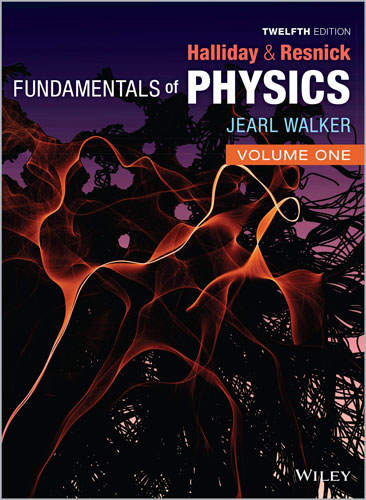
📘 کتاب Fundamentals of Physics, 12th Edition دانشجویان را بهصورت گامبهگام در فرایند یادگیری همراهی میکند تا بتوانند متون علمی را با دقت و اثربخشی بیشتری مطالعه کنند، مفاهیم بنیادی را تشخیص دهند، درباره پرسشهای علمی استدلال کنند و مسائل کمی را با روشی نظاممند حل کنند.
🔬 ویرایش دوازدهم این اثر، توجه ویژهای به شماری از حوزههای معاصر پژوهشی دارد. طرح این مباحث، دانشجویان را با چالشهای علمی جدید روبهرو میکند و به آنان نشان میدهد که اصول فیزیک و کاربردهای علمی و مهندسی آن، چه نقش بنیادینی در سازوکار پدیدههای جهان پیرامون ما دارند.
🧠 مجموعه گستردهای از ابزارها و منابع آموزشی، فرایند یادگیری فعال دانشجویان را در سراسر دوره پشتیبانی میکند. کتاب Fundamentals of Physics, 12e بهگونهای طراحی شده است که نقش یک مرکز یادگیری جامع را ایفا کند و فرصتهای متنوعی برای تمرین، فعالیتهای تعاملی، شبیهسازی، حل چالشهای علمی و مشاهده ویدئوهای آموزشی در اختیار دانشجویان قرار دهد.
📝 پرسشهای تمرینی و ارزیابیهای کتاب همراه با بازخورد فوری و راهحلهای دقیق ارائه میشوند تا دانشجویان تنها به پاسخ نهایی دست پیدا نکنند، بلکه منطق و فرایند حل مسئله در پس مفاهیم کلیدی را نیز درک کنند. این رویکرد به آنان کمک میکند هنگام حل مسائل، منشأ خطاهای خود را شناسایی کرده و روشهای استدلال و تحلیل علمی خود را بهبود دهند.
📖 فهرست مطالب جلد اول:
فصل ۱. اندازهگیری
فصل ۲. حرکت در امتداد خط راست
فصل ۳. بردارها
فصل ۴. حرکت در دو و سه بُعد
فصل ۵. نیرو و حرکت، بخش اول
فصل ۶. نیرو و حرکت، بخش دوم
فصل ۷. انرژی جنبشی و کار
فصل ۸. انرژی پتانسیل و پایستگی انرژی
فصل ۹. مرکز جرم و تکانه خطی
فصل ۱۰. دوران
فصل ۱۱. غلتش، گشتاور و تکانه زاویهای
فصل ۱۲. تعادل و کشسانی
فصل ۱۳. گرانش
فصل ۱۴. سیالات
فصل ۱۵. نوسانها
فصل ۱۶. موجها، بخش اول
فصل ۱۷. موجها، بخش دوم
فصل ۱۸. دما، گرما و قانون اول ترمودینامیک
فصل ۱۹. نظریه جنبشی گازها
فصل ۲۰. آنتروپی و قانون دوم ترمودینامیک
👤 درباره نویسندگان
👨🏫 جرل واکر استاد برجسته فیزیک در Cleveland State University و از مدرسان و مروجان شناختهشده علم فیزیک است. او مدرک کارشناسی فیزیک خود را از Massachusetts Institute of Technology و مدرک دکترای فیزیک را از University of Maryland دریافت کرده است.
📚 واکر نویسنده کتاب The Flying Circus of Physics نیز هست؛ اثری شناختهشده که اصول فیزیکی نهفته در پس پدیدههای جذاب و روزمره را بررسی میکند. او از سال ۱۹۹۰ مسئولیت نگارش و بازنگری ویرایشهای مختلف کتاب Fundamentals of Physics را بر عهده داشته و با رویکردی عملی، جذاب و مسئلهمحور، در بهروز نگه داشتن این اثر معتبر بینالمللی نقش مهمی ایفا کرده است.
👨🔬 دیوید هالیدی فیزیکدان و مدرس تأثیرگذار آمریکایی بود که بیش از همه بهدلیل نقش برجسته خود در تحول آموزش مقدماتی فیزیک در دانشگاهها شناخته میشود. او در سال ۱۹۴۱ مدرک دکترای فیزیک خود را از University of Pittsburgh دریافت کرد و در دوران جنگ جهانی دوم در MIT Radiation Laboratory به فعالیت پرداخت؛ مرکزی که در توسعه فناوری رادار نقش مهمی داشت.
🎓 هالیدی پس از بازگشت به University of Pittsburgh، فعالیت دانشگاهی خود را بهعنوان استاد ادامه داد و بعدها ریاست دپارتمان فیزیک این دانشگاه را بر عهده گرفت. همکاری او با رابرت رزنیک به تألیف مجموعهای از کتابهای دانشگاهی در حوزه فیزیک منجر شد که بهدلیل توضیحهای روشن، ساختار منطقی و تأثیر ماندگارشان بر آموزش علوم و مهندسی، شهرتی جهانی پیدا کردند.
👨🏫 رابرت رزنیک فیزیکدان، مدرس و نویسنده بینالمللی کتابهای دانشگاهی بود. او مدارک کارشناسی و دکترای فیزیک خود را از Johns Hopkins University دریافت کرد و سپس به هیئت علمی Rensselaer Polytechnic Institute پیوست. رزنیک در این مؤسسه بهعنوان استاد فعالیت کرد و بهمدت پانزده سال مدیریت برنامه درسی میانرشتهای علوم را بر عهده داشت.
📖 همکاری رزنیک با دیوید هالیدی به تألیف شماری از تأثیرگذارترین کتابهای آموزش مقدماتی فیزیک در قرن بیستم انجامید. توضیحهای شفاف، روشهای دقیق و نظاممند حل مسئله و تعهد او به آموزش مؤثر علوم، نسلهای متعددی از دانشجویان را با اصول و مفاهیم بنیادی فیزیک آشنا کرده است.
Fundamentals of Physics, 12th Edition guides students through the process of learning how to effectively read scientific material, identify fundamental concepts, reason through scientific questions, and solve quantitative problems.
The 12th edition includes a renewed focus on several contemporary areas of research to help challenge students to recognize how scientific and engineering applications are fundamental to the world’s clockwork.
A wide array of tools will support students’ active learning as they work through and engage in this course. Fundamentals of Physics, 12e is built to be a learning center with practice opportunities, interactive challenges, activities, simulations, and videos. Practice and assessment questions are available with immediate feedback and detailed solutions, to ensure that students understand the problem-solving processes behind key concepts and understand their mistakes while working through problems.
Table of Contents
Chapter 1. Measurement
Chapter 2. Motion Along a Straight Line
Chapter 3. Vectors
Chapter 4. Motion in Two and Three Dimensions
Chapter 5. Force and Motion—I
Chapter 6. Force and Motion—II
Chapter 7. Kinetic Energy and Work
Chapter 8. Potential Energy and Conservation of Energy
Chapter 9. Center of Mass and Linear Momentum
Chapter 10. Rotation
Chapter 11. Rolling, Torque, and Angular Momentum
Chapter 12. Equilibrium and Elasticity
Chapter 13. Gravitation
Chapter 14. Fluids
Chapter 15. Oscillations
Chapter 16. Waves—I
Chapter 17. Waves—II
Chapter 18. Temperature, Heat, and the First Law of Thermodynamics
Chapter 19. The Kinetic Theory of Gases
Chapter 20. Entropy and the Second Law of Thermodynamics
About the Authors
Jearl Walker is a Distinguished Professor of Physics at Cleveland State University and a highly regarded physics educator and science communicator. He earned his BS in Physics from the Massachusetts Institute of Technology and his PhD in Physics from the University of Maryland. Walker is also the author of The Flying Circus of Physics, a celebrated work that explores the physics behind fascinating everyday phenomena. Since 1990, he has served as the revising author of Fundamentals of Physics, bringing a practical, engaging, and problem-oriented approach to this internationally recognized textbook.
David Halliday was an American physicist and influential educator best known for transforming the teaching of introductory university physics. He received his PhD in Physics from the University of Pittsburgh in 1941 and worked at the MIT Radiation Laboratory during World War II, contributing to the development of radar technology. After returning to the University of Pittsburgh, he became a professor and later chaired its Department of Physics. Together with Robert Resnick, Halliday created a series of physics textbooks celebrated for their clarity, logical organization, and lasting influence on science and engineering education.
Robert Resnick was an American physicist, educator, and internationally respected textbook author. He earned both his bachelor’s degree and PhD in Physics from Johns Hopkins University and later joined the faculty of Rensselaer Polytechnic Institute, where he served as a professor and led the interdisciplinary science curriculum for fifteen years. His collaboration with David Halliday produced some of the most influential introductory physics textbooks of the twentieth century. Resnick’s clear explanations, rigorous problem-solving methods, and commitment to effective science education helped introduce generations of students to the fundamental principles of physics.