ثبت نام / ورود
0
ثبت نام / ورود
0
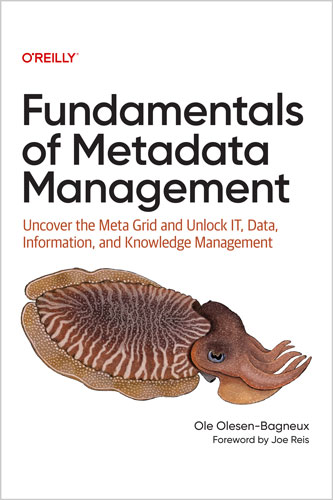
Uncover the Meta Grid and Unlock IT, Data, Information, and Knowledge Management
Ole Olesen-Bagneux
#Metadata
#AI
#CIO
#CDO
#Data_analytics
🖥️ شرکتهای امروزی چه برای رعایت مقررات و استانداردهای بازار باشه، چه برای چیدن استراتژیهای دیتا و هوش مصنوعی، حسابی درگیر پیادهسازی مخازن متادیتا هستن؛ یعنی همون ابزارهای مدیریت داده که اطلاعات مربوط به بخش IT، دادهها و دانش کل سازمان رو توی خودشون نگه میدارن.
تا الان اکثر این مخازن به صورت جدا از هم و جزیرهای پیادهسازی شدن، اما مشکل اصلی مدیریت داده توی خیلی از شرکتها دقیقاً از همینجا آب میخوره.
📖 نویسنده کتاب، اوله اولسن-بانیو که خودش متخصص ارشد شرکت Actian هست، بهت نشون میده چطور با هماهنگ کردن درست این مخازن، توی مدیریت متادیتا استاد بشی. این کار نیاز به یه "تیم اکتشاف داده" داره تا بینش تمام آدمهای کلیدی سازمان، از مدیر ارشد اطلاعات و داده گرفته تا معماران سیستم رو بالا ببره. هماهنگ کردن این مخازن به تو و سازمانت کمک میکنه که دادهها رو دموکراتیزه کنید و در مدیریت دادهها بترکونید. این کتاب بهت میگه چطوری این مسیر رو طی کنی.
💡 ویژگیهای کلیدی
• یاد میگیری که مخازن متادیتا چی هستن و دقیقا چیکار میکنن.
• بررسی میکنی که کدوم دادهها رو باید در این مخازن نمایش بدی.
• یه تیم اکتشاف داده راه میاندازی تا جستجوی دادهها رو برای همه راحت کنی.
• یاد میگیری چطور مخازن رو در قالب یک شبکه متا (Meta Grid) مدیریت و هماهنگ کنی.
• با راه انداختن یه بازارچه داده کاربردی، نوآوری رو توی شرکت بالا میبری.
• امنیت اطلاعات و حفاظت از دادهها رو خیلی قرص و محکمتر میکنی.
• درک عمیقتری نسبت به کل فضای IT شرکت پیدا میکنی.
• معماری سازمانی واقعی رو بر اساس شواهد و دیتای موجود فعال میکنی.
🎯 این کتاب برای چه کسانی است؟
تو میتونی از نکاتی که توی این کتاب گفته شده استفاده کنی تا یه دید کامل، کلنگر و همسو از کل فضای IT شرکتت داشته باشی. نویسنده مستقیما با نقشهای مختلف صحبت کرده:
🚫 این کتاب برای چه کسانی نیست؟
اگه توقع داری این کتاب یه استاندارد جهانی جدید برای متادیتا معرفی کنه، اصلا سراغش نرو. استانداردهای زیادی همین الان وجود دارن و ادعای داشتن یک استاندارد واحد، فقط یه توهمه. این کتاب درباره "متدولوژی" و روش انجام کاره، نه دایرهالمعارف استانداردها.
📑 فهرست مطالب
👨💻 درباره نویسنده
اوله اولسن-بانیو دکتری علوم کتابداری و اطلاعرسانی داره و توی دانشگاه کپنهاگ هم تدریس کرده. آثار علمی اون توی مجلات معتبری چاپ شده و قبلا کتاب "کاتالوگ دادههای سازمانی" رو هم نوشته. اوله تجربه عملی زیادی توی سازمانهای بزرگ و پیچیده داره و الان هم به عنوان نایبرئیس و مروج ارشد در شرکت Actian فعالیت میکنه.
Whether it's to adhere to regulations, access markets by meeting specific standards, or devise data analytics and AI strategies, companies today are busy implementing metadata repositories—metadata tools about the IT, data, information, and knowledge in your company. Until now, most of these repositories have been implemented in isolation from one another, but that practice lies at the core of problems with data management in many companies today.
Author Ole Olesen-Bagneux, chief evangelist at Actian, shows you how to masterfully manage your metadata repositories by properly coordinating them. That requires a data discovery team to increase insights for all key players in enterprise data management, from the CIO and CDO to enterprise and data architects. Coordinating these repositories will help you and your organization democratize data and excel at data management.
This book shows you how.
Table of Contents
Chapter 1. Toward Holistic Metadata Management
Part I. Metadata Repositories for IT, Data, Information, and Knowledge Management
Chapter 2. Metadata Repositories for the IT Landscape
Chapter 3. IT Management
Chapter 4. Data Management
Chapter 5. Information Management
Chapter 6. Knowledge Management
Chapter 7. Why We Have Been Doing Metadata Management Wrong
Part II. Metadata Repositories Must Be Coordinated by a Data Discovery Team
Chapter 8. The Good, the Bad, and the Ugly
Chapter 9. The Data Discovery Team
Part III. Metadata Repositories Should Be Connected in a Meta Grid
Chapter 10. What Is the Meta Grid?
Chapter 11. The Meta Grid Contextualized
Chapter 12. The Benefits of the Meta Grid
Chapter 13. The Data Discovery Team and Meta Grid As a Team Topology
You can use the insights presented in this book to gain a deeper, more holistic, and aligned overview of your company’s IT landscape. This spans the many functions in your company that depict and manage dimensions of the IT landscape through metadata repositories.
I’d like to address you directly as a reader—discussing your role and the challenges you face. I want to clarify how you can benefit from reading Fundamentals of Metadata Management. I encourage you to review all the roles listed here; the reason will become clear shortly.
To the Chief Data Officer: You are the only one in the C-suite who does not know the details of your area: data. The CFO, for example, knows the exact financial status of the company. But no one, including you, has the entire overview of all the data in your company. That’s a hard fact. With this book, you have the opportunity to steer away from that and get a deeper, more complete view of the data in your company by relying on coordinated metadata repositories.
I strongly encourage you to create what I call a data discovery team.5 As someone with the authority to establish this team, you can significantly enhance the coordination of metadata repositories. You’ll find detailed information about this team in this book. The data discovery team not only will help you adjust and execute strategies more effectively but also will enable various stakeholders to excel in their roles, many of whom are listed in this section. This team will support you in driving long-term, effective agendas—a challenging task for CDOs. As noted in the Harvard Business Review, the average tenure for CDOs is only 18 months, and this needs to increase. This book is one of the building blocks to achieving that goal.
To the Chief Information Officer: You run an IT department. If you are heading up that role in a big enterprise setting with several thousand employees and a company history that goes back a few decades or more, you know that the IT landscape is to some extent opaque. Your teams struggle with questions like: What applications integrate with one another and how? What applications are actually installed on which devices, and do we have multiple applications that deliver on the same capability? You own many metadata repositories, such as an enterprise architecture management tool and an endpoint management system, and your teams are most likely not talking enough to one another about how they depict the IT landscape in those tools—this leads them to create multiple versions of truths about the IT landscape.
Without promising you a silver bullet, I can guarantee that this book can help you. By harnessing the power of coordinated metadata repositories, you and your teams will better understand the IT landscape.
To the Chief Information Security Officer: It is your task to keep your company safe from cyberattacks, espionage, leaks that would damage the company’s reputation, and so forth. You need to have an overview of all the confidential information in the company, along with a risk assessment of its possible exposure. With this book, you get the chance to create that overview in a more robust and complete way, as your asset inventory can be matched against a series of other metadata repositories, such as quality management systems and endpoint management systems, liberating time for you and your team to focus on the task at hand instead of mapping an IT landscape that has been mapped many times before.
To the General Counsel: You’re a legal mastermind, and this book is also for you. There may be technical aspects of the book that are not important to you. But you can use the book to get a firm grip on where to find the kind of proof you and your teams need when defining and negotiating contracts, preparing lawsuits to defend the company, performing mergers and acquisitions, and much more. You need detailed knowledge of the IT landscape in many of your activities, and I urge you not to establish that knowledge yourself from scratch—it already exists. Use this book as a key that can unlock where you can find that in the IT landscape.
To the Head of Quality Assurance: If you are heading up a quality department, you are likely in a highly regulated industry, such as the pharmaceutical industry. You are responsible for a quality management system (QMS), which is more like a stack of technologies and services than one system. In it, you are creating an overview of the IT landscape. I suggest you look to the many other metadata repositories mentioned in this book to improve the completeness of your QMS.
To the Data Teams: Data teams consist of one or more groups of data scientists, data engineers, and data operations teams.6 If you are in one of those teams, you know it is unlikely that there is one global metadata repository covering all the data in the company. You’re likely to have one or two data catalogs—maybe even more—and there may even be a corporate policy to use one of them as the enterprise data catalog. But a wealth of other metadata repositories exists that could point you to interesting data. That’s the perspective you will get in this book: more metadata repositories that point to data sources that can fuel your innovative ideas!
To the Records and Information Manager: You handle the final stage of the information lifecycle, which often overlaps with what data teams call the data lifecycle, culminating in the archival and disposal of data, records, and documentation. You manage a records and information management system. You often lack visibility when exploring and describing the IT landscape context of the information you need to preserve, as those working with data earlier in its lifecycle don’t consider long-term storage perspectives for regulatory compliance. This book provides advice on where to look and how to collaborate to improve your situation.
To the Enterprise Architect: You are most likely alone or part of a small enterprise architecture team strategically advising on the future IT landscape for your company. If so, you may rely on an enterprise architecture management tool. You are struggling with getting as complete a picture of the IT landscape as possible. This book is a guide for you—it will tell you where you can find metadata repositories that describe the IT landscape in various parts of the business that can complete your knowledge and make your strategic advice more to the point.
Note: I want you to consider the synergy of all of these roles—and many others—working together with a stronger, unified vision of the IT landscape. The ideas that I put forward in this book don’t benefit some teams at the expense of others. Instead, the metadata management approach presented here is beneficial for all parts of the business—and becomes exponentially more valuable as a collective knowledge of the IT landscape is consolidated. I leave this with a question for you: what roles can you think of that I left out? Because I invite you to include them!
Who This Book Is Not For
If you expect this book to present a new universal standard for metadata, then this book is not for you. Many such standards already exist across industries, technologies, and disciplines—and assuming a global acceptance for one standardized way of expressing metadata is an illusion. Also, this book does not emphasize one metadata standard over others, claiming that this specific standard is better than others. Nor is it a detailed description of all metadata standards that exist. The book provides links to such overviews, but in itself, this book is not an encyclopedia of standards.
Rather, this book is about metadata repositories and how metadata management is performed with these metadata repositories. As such, this book puts forward a new methodology of metadata management (not a standard), and it proposes a decentralized architecture that your company can greatly benefit from. If this surprises you & catches your interest, I encourage you to read further.
Ole Olesen-Bagneux holds a BA, MA, and PhD in library and information science from the University of Copenhagen, Denmark, where he has also lectured. His award-winning scientific work has been published in prestigious journals such as Philosophy and Literature, Knowledge Organization, and The Information Society. He is also the author of The Enterprise Data Catalog (O'Reilly).
Ole has substantial industry experience from large, complex organizations, where he has worked with data and information architectures from strategic leadership positions. He has also consulted for numerous organizations via his own company, Searching for Data, particularly on the challenges of metadata management.
Throughout all of his professional work, Ole seeks to advance data and ai via the learnings of library and information science.
Ole serves as vice president, chief evangelist, in Actian.