ثبت نام / ورود
0
ثبت نام / ورود
0
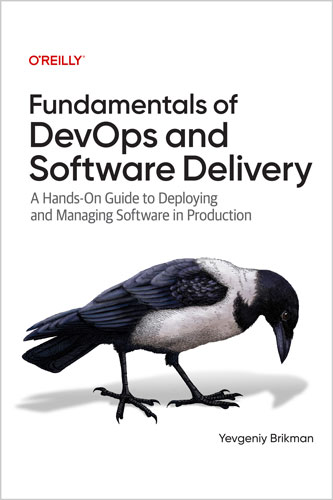
A Hands-On Guide to Deploying and Managing Software in Production
Yevgeniy Brikman
#DevOps
#Software_Delivery
#NoSQL
#OpenTofu
#Kubernetes
#Lambda
#DNS
#VPN
#VPC
#AES
#TLS
📘 این کتاب یک راهنما برای DevOps و تحویل نرمافزار است: به این معنا که یک راهنمایی برای ابزارها و تکنیکهای مختلفی است که برای اجرای کد اپلیکیشن و نگهداری آن در محیط تولید لازم است، جایی که میتواند ارزش مداوم برای کاربران و شرکت شما ایجاد کند. این شامل مرور تمام شیوههای مدرن برای استقرار اپلیکیشنها و میکروسرویسها در ابر، مدیریت زیرساخت شما بهعنوان کد، خودکارسازی چرخه حیات تحویل نرمافزار در یک خط لوله CI/CD، پیکربندی شبکه، راهاندازی ذخیرهسازی دادهها و متصل کردن مانیتورینگ است.
🚀 کتابهای زیادی در مورد نحوه نوشتن نرمافزار وجود دارد. این کتاب یک راهنمای تحویل نرمافزار است—یعنی تمام فرآیندها، ابزارها و تکنیکهایی که برای اجرای نرمافزار در تولید و نگهداری آن در طول زمان لازم است. بهویژه، این کتاب یک راهنمای DevOps است، یک متدولوژی برای کارآمدتر کردن تحویل نرمافزار.
💡 در حالی که بیشتر کتابها و سخنرانیها در مورد DevOps بر فرهنگ، ارزشها و ساختار سازمانی تمرکز دارند، من دریافتهام که بیشتر افراد وقتی از DevOps صحبت میکنند، در واقع به دنبال یادگیری مکانیکهای تحویل مؤثر نرمافزار هستند. این همان چیزی است که این کتاب به آن اختصاص دارد. این یک راهنمای عملی است که شامل دهها مثال گام به گام از نحوه اجرای سیستمهای تولید است. شما با اصول شروع خواهید کرد—یک اپلیکیشن روی یک سرور واحد—و به تدریج به میکروسرویسها در یک خوشه Kubernetes با یک شبکه سرویس، خط لوله استقرار خودکار، رمزگذاری سرتاسری و غیره خواهید رسید.
🔧 تا پایان کتاب، شما با تمام مفاهیم و شیوههای اصلی DevOps و تحویل نرمافزار مدرن دستبهدست میشوید، از جمله:
📚 فهرست مطالب
👥 چه کسانی باید این کتاب را بخوانند؟
این کتاب برای کسانی است که مسئول استقرار و مدیریت اپلیکیشنها در محیط تولید هستند—یعنی کسانی که مسئول تحویل نرمافزار هستند. این شامل موارد زیر میشود:
📖 این کتاب فرض میکند که شما قبلاً یک برنامهنویس یا مدیر سیستم خبره نیستید. یک آشنایی ابتدایی با برنامهنویسی، خط فرمان و نرمافزارهای مبتنی بر سرور (مثل وبسایتها) کافی است. هر چیزی که نیاز داشته باشید، میتوانید در طول کتاب آن را یاد بگیرید. ابزارهایی که برای این کار نیاز دارید تنها یک کامپیوتر، یک اتصال اینترنت و تمایل به یادگیری است.
👨💻 درباره نویسنده
یِوگنی (جیم) بریکمن علاقهمند به برنامهنویسی، نویسندگی، سخنرانی، سفر و بلند کردن اشیاء سنگین است. او علاقهای به صحبت کردن درباره خود بهصورت سوم شخص ندارد. او یکی از بنیانگذاران شرکت Gruntwork است، شرکتی که خدمات DevOps بهعنوان سرویس ارائه میدهد. او همچنین نویسنده دو کتاب منتشرشده توسط O'Reilly Media است: Hello, Startup و Terraform: Up & Running. پیش از این، او بیش از ده سال بهعنوان مهندس نرمافزار در شرکتهای LinkedIn، TripAdvisor، Cisco Systems و Thomson Financial در حال ساخت زیرساختها و محصولات برای خدمترسانی به صدها میلیون کاربر بوده است.
This book is a guide to DevOps and software delivery: that is, a guide to the numerous tools and techniques that are required to take that application code and run it and maintain it in production, where it can generate value for your users and your company on an ongoing basis. This includes going through all the modern practices for deploying applications and microservices to the cloud, managing your infrastructure as code, automating your software delivery lifecycle in a CI/CD pipeline, configuring networking, setting up data stores, and hooking up monitoring.
There are many guides out there on how to write software. This book is a guide to software delivery—that is, all the processes, tools, and techniques that are required to run and maintain software in production on an ongoing basis. In particular, this book is a guide to DevOps, a methodology for making software delivery more efficient.
Whereas most books and talks on DevOps focus on culture, values, and organizational structure, I’ve found that when most people talk about DevOps, what they are really interested in is the mechanics of effective software delivery. That’s what this book is all about. It’s a hands-on guide that includes dozens of step-by-step examples of how to run production systems. You’ll start with the basics—an app running on a single server—and work your way up to microservices in a Kubernetes cluster with a service mesh, automated deployment pipeline, end-to-end encryption, and more.
By the time you’re done with the book, you will have had hands-on practice with all the core concepts and practices of modern DevOps and software delivery, including:
Table of Contents
Chapter 1: How to Deploy Your App
Chapter 2: How to Manage Your Infrastructure as Code
Chapter 3: How to Manage Your Apps by Using Orchestration Tools
Chapter 4: How to Version, Build, and Test Your Code
Chapter 5: How to Set Up Continuous Integration and Continuous Delivery
Chapter 6: How to Work with Multiple Teams and Environments
Chapter 7: How to Set Up Networking
Chapter 8: How to Secure Communication and Storage
Chapter 9: How to Store Data
Chapter 10: How to Monitor Your Systems
Chapter 11: The Future of DevOps and Software Delivery
Who Should Read This Book
This book is for anyone responsible for deploying and managing apps in production—that is, anyone responsible for software delivery. This includes the following:
Individual contributors in operations roles: Current and aspiring SREs, DevOps engineers, sysadmins, operations engineers, and release engineers who want to level up their knowledge of software delivery.
Individual contributors in dev roles: Software engineers, software developers, web developers, and full stack engineers who want to learn more about the operations side of the house.
Managers: Engineering managers, engineering directors, chief technology officers (CTOs), vice presidents of engineering (VPEs), and chief information officers (CIOs) who want to learn how to adopt DevOps practices in their organizations.
This book does not assume that you’re already an expert coder or expert sysadmin. A basic familiarity with programming, the command line, and server-based software (e.g., websites) should suffice. Everything else you need, you’ll be able to pick up as you go. The only tools you need are a computer, an internet connection, and the desire to learn.
Yevgeniy (Jim) Brikman loves programming, writing, speaking, traveling, and lifting heavy things. He does not love talking about himself in the 3rd person. He is the co-founder of Gruntwork, a company that provides DevOps as a Service. He's also the author of two books published by O'Reilly Media: Hello, Startup and Terraform: Up & Running. Previously, he spent more than a decade building infrastructure and products that served hundreds of millions of users while working as a software engineer at LinkedIn, TripAdvisor, Cisco Systems, and Thomson Financial.