ثبت نام / ورود
0
ثبت نام / ورود
0
Hannu Karttunen, Pekka Kröger, Heikki Oja, Markku Poutanen, Karl Johan Donner
#Astronomy
#Evolution
#Stellar
#Galaxies
#Astrobiology
#Solar
#Cosmology
#Milky_Way
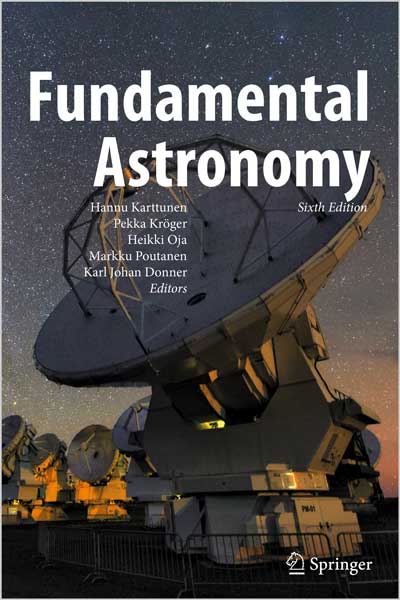
🌌 کتاب Fundamental Astronomy مقدمهای متعادل و جامع بر اخترشناسی کلاسیک و مدرن ارائه میدهد. این اثر در کنار تأکید بر مفاهیم اخترشناسی، اصول فیزیکی زیربنایی آنها را نیز توضیح میدهد و پایهای محکم برای مطالعات عمیقتر در علوم نجومی فراهم میکند.
📘 این کتاب، ویرایش ششم یکی از موفقترین کتابهای درسی و منابع مرجع دوره کارشناسی است. بخشهای مربوط به اخترشناسی فراکهکشانی و کیهانشناسی بهطور گسترده نوسازی و توسعه یافتهاند. همچنین مباحث منظومه شمسی و سیارات فراخورشیدی گسترش پیدا کرده و فصل جدیدی درباره اخترزیستشناسی به کتاب افزوده شده است.
🔭 Fundamental Astronomy مدتهاست یکی از متون استاندارد برای دانشجویان رشتههای علوم فیزیکی محسوب میشود و درعینحال، مرجعی بسیار مناسب برای اخترشناسان آماتور جدی نیز به شمار میرود.
🌠 این ویرایش ششم، مقدمهای جامع و متوازن بر موضوعهای اخترشناسی کلاسیک و مدرن ارائه میدهد. متن ضمن توضیح مفاهیم نجومی، اصول فیزیکی پشت آنها را نیز بررسی میکند و زمینهای مناسب برای ادامه تحصیل و پژوهش در علوم نجومی فراهم میسازد.
🪐 فصلهای مربوط به اخترشناسی کهکشانی و فراکهکشانی و همچنین کیهانشناسی در ویرایش پیشین بهطور گسترده بازنگری شده بودند و در این ویرایش نیز با نتایج جدیدتر بهروزرسانی شدهاند.
☀️ فصل طولانی مربوط به منظومه شمسی اکنون به دو بخش تقسیم شده است؛ بخش نخست ویژگیهای عمومی منظومه شمسی را بررسی میکند و بخش دوم به اجرام منفرد آن میپردازد. همچنین فصل تازهای درباره سیارات فراخورشیدی در انتهای کتاب و در کنار فصل اخترزیستشناسی افزوده شده است.
🔬 با توجه به تحول بسیار گسترده اخترشناسی در سالهای اخیر، تنها تعداد اندکی از فصلهای این کتاب بدون تغییر باقی ماندهاند.
📚 این کتاب علاوه بر جایگاه خود بهعنوان یک متن استاندارد برای دانشجویان علوم فیزیکی، برای اخترشناسان آماتور علاقهمند نیز یک مرجع و نقطه ورود عالی محسوب میشود. برای کمک به این گروه از خوانندگان، فصل مقدماتی گسترش یافته و خلاصهای کوتاه از انواع مختلف اجرام آسمانی ارائه میدهد.
📝 نقد و بررسی ویرایشهای پیشین
💭 «گستره وسیع تخصص نویسندگان به کتاب اعتباری میدهد که دستیابی به آن در یک اثر تکنویسنده تقریبا غیرممکن است... ابزارهای دیگری نیز برای کمک به خواننده وجود دارند؛ از جمله مثالهای حلشده و بخشهای ستارهدار با حروف کوچکتر که خواننده کنجکاو را فراتر از سطح عمومی کتاب میبرند.»
— Nature
💭 «این کتاب درسی که برای نخستین درس دانشگاهی اخترشناسی مناسب است، حاصل یک سنت طولانی و برجسته اخترشناسی در فنلاند و نتیجه همکاری گستردهای است که تدریس و تعامل با افراد فراوان را نیز در بر گرفته است... استفاده از این کتاب را در کلاس قویا توصیه میکنم... برای متخصصان نیز مفید خواهد بود.»
— برونو برتوتی، Prometeo، جلد ۲۴، شماره ۳–۴، ۲۰۰۸
📖 فهرست مطالب
فصل ۱. مقدمه
فصل ۲. اخترشناسی کروی
فصل ۳. مشاهدات و ابزارها
فصل ۴. مفاهیم نورسنجی و قدرها
فصل ۵. سازوکارهای تابشی
فصل ۶. مکانیک سماوی
فصل ۷. منظومه شمسی
فصل ۸. اجرام منظومه شمسی
فصل ۹. طیفهای ستارهای
فصل ۱۰. ستارههای دوتایی و جرمهای ستارهای
فصل ۱۱. ساختار ستارهای
فصل ۱۲. تحول ستارهای
فصل ۱۳. خورشید
فصل ۱۴. ستارههای متغیر
فصل ۱۵. ستارههای فشرده
فصل ۱۶. محیط میانستارهای
فصل ۱۷. خوشهها و انجمنهای ستارهای
فصل ۱۸. راه شیری
فصل ۱۹. کهکشانها
فصل ۲۰. کیهانشناسی
فصل ۲۱. اخترزیستشناسی
فصل ۲۲. سیارات فراخورشیدی
پیوست A. ریاضیات
پیوست B. نظریه نسبیت
پیوست C. جدولها
📝 نقد و بررسیها
💭 «ویراستاران اعلام میکنند که Fundamental Astronomy بهعنوان "کتاب درسی دانشگاهی برای نخستین درس اخترشناسی" در نظر گرفته شده است، اما احتمالا بیشتر بهعنوان یک مرجع در کتابخانههای گروههای دانشگاهی و رصدخانهها مورد استفاده قرار خواهد گرفت. نویسندگان مشارکتکننده، که شامل اخترشناسان و ژئودزیستها هستند، در سراسر کتاب بهطور گسترده از ریاضیات، بهویژه حساب دیفرانسیل و انتگرال، استفاده میکنند... متن تمام حوزههای علوم سیارهای، اخترفیزیک و کیهانشناسی را پوشش میدهد... جمعبندی: توصیه میشود. مناسب برای دانشجویان سالهای بالاتر کارشناسی و سطوح بالاتر، اعضای هیئت علمی و متخصصان.»
— اس. پی. ماران، Choice، جلد ۵۷، شماره ۱۱، ژوئیه ۲۰۱۷
💭 «انتخاب کلی موضوعها و عمق و گسترهای که این کتاب ارائه میدهد، برای دستیابی به درکی عالی از اخترشناسی ضروری است. از نظر مبانی نظری و اخترفیزیک رصدی، آن را کتابی بسیار خوب میدانم. همه مطالب بهروشنی توضیح داده شدهاند و هرجا امکان داشته، نمودارها، شکلها و عکسهای مفیدی دقیقا در جایی که به آنها نیاز دارید قرار گرفتهاند... یکی از چیزهایی که بسیار از آن لذت بردم، مجموعه گسترده جدولها بود.»
— AstroMadness.com، مه ۲۰۱۷
👥 درباره نویسندگان
🎓 هانو کارتتونن اخترشناس و نویسنده علمی فنلاندی است. او دانشیار دانشگاه تورکو است و در رصدخانه توئورلا فعالیت میکند.
📚 دکتر کارتتونن علاوه بر مقالههای اخترشناسی، کتابهای درسی اخترشناسی، منابع آموزشی و مقالههایی برای مجموعهها و دانشنامهها منتشر کرده است. او همچنین مجموعهای از سخنرانیهای رادیویی درباره اخترشناسی تهیه کرده است.
🏅 هانو کارتتونن در سال ۱۹۹۸ جایزه Tieto-Finlandia را برای کتاب Oldest Science: Astronomy Stone Age to the Mission to the Moon دریافت کرد و در سال ۲۰۰۷ نیز بهدلیل نوشتهها و کتابهایش برای کودکان و نوجوانان، جایزه Tietopöllö انجمن نویسندگان علمی فنلاند به او اعطا شد.
🎓 هیکی اویا اخترشناس فنلاندی و دانشیار دانشگاه هلسینکی است و پیشتر مدیریت Almanac Office را بر عهده داشته است.
🌌 دکتر اویا دهها کتاب علمی غیرفنی نوشته و بارها در برنامههای رادیویی درباره اخترشناسی و پژوهشهای فضایی صحبت کرده است. او همچنین جوایز متعددی برای فعالیتهای ترویجی خود در زمینه علم دریافت کرده است.
Fundamental Astronomy is a well-balanced, comprehensive introduction to classical and modern astronomy. While emphasizing both the astronomical concepts and the underlying physical principles, the text provides a sound basis for more profound studies in the astronomical sciences. This is the Sixth edition of the successful undergraduate textbook and reference work. It has been extensively modernized and extended in the parts dealing with extragalactic astronomy and cosmology. You will also find augmented sections on the solar system and extrasolar planets as well as a new chapter on astrobiology. Long considered a standard text for physical science majors, Fundamental Astronomy is also an excellent reference work for dedicated amateur astronomers.
Now in its sixth edition this successful undergraduate textbook gives a well-balanced and comprehensive introduction to the topics of classical and modern astronomy. While emphasizing both the astronomical concepts and the underlying physical principles, the text provides a sound basis for more profound studies in the astronomical sciences.
The chapters on galactic and extragalactic astronomy as well as cosmology were extensively modernized in the previous edition. In this new edition they have been further revised to include more recent results. The long chapter on the solar system has been split into two parts: the first one deals with the general properties, and the other one describes individual objects. A new chapter on exoplanets has been added to the end of the book next to the chapter on astrobiology.
In response to the fact that astronomy has evolved enormously over the last few years, only a few chapters of this book have been left unmodified.
Long considered a standard text for physical science majors, Fundamental Astronomy is also an excellent reference and entrée for dedicated amateur astronomers. For their benefit the introductory chapter has been extended to give a brief summary of the different types of celestial objects.
From reviews of earlier editions:
"… The wide range of expertise gives the book an authority that would be almost impossible for a single-author text ... There are other aids to the reader: worked examples ... starred sections in small print take the inquisitive reader beyond the general level of the book." (Nature)
“This textbook, suitable for a university first course in astronomy, is the outgrowth of a long and outstanding astronomical tradition in Finland, and the result of an extensive collaborative effort, which included also teaching and interaction with many people. … I highly recommend this book for class use … it will be useful for professionals as well.” (Bruno Bertotti, Prometeo, Vol. 24 (3-4), 2008)
Chapter 1: Introduction
Chapter 2: Spherical Astronomy
Chapter 3: Observations and Instruments
Chapter 4: Photometric Concepts and Magnitudes
Chapter 5: Radiation Mechanisms
Chapter 6: Celestial Mechanics
Chapter 7: The Solar System
Chapter 8: Objects of the Solar System
Chapter 9: Stellar Spectra
Chapter 10: Binary Stars and Stellar Masses
Chapter 11: Stellar Structure
Chapter 12: Stellar Evolution
Chapter 13: The Sun
Chapter 14: Variable Stars
Chapter 15: Compact Stars
Chapter 16: The Interstellar Medium
Chapter 17: Star Clusters and Associations
Chapter 18: The Milky Way
Chapter 19: Galaxies
Chapter 20: Cosmology
Chapter 21 : Astrobiology
Chapter 22: Exoplanets
Appendix A: Mathematics
Appendix B: Theory of Relativity
Appendix C: Tables
“The editors assert that Fundamental Astronomy is intended as ‘a university textbook for a first course in astronomy,’ but it will more likely be used as a reference volume in departmental and observatory libraries. The contributing authors (astronomers and geodesists) employ mathematics, especially calculus, extensively throughout the work. … The text covers all planetary science, astrophysics, and cosmology. … Summing Up: Recommended. Upper-division undergraduates and above; faculty and professionals.” (S. P. Maran, Choice, Vol. 57 (11), July, 2017)
Hannu Karttunen is a Finnish astronomer and science writer. He is an associate professor at Turku University and works at Tuorla Observatory. Besides astronomical articles Dr. Karttunen has published astronomy textbooks and teaching material as well as articles for anthologies and encyclopedias. Karttunen has also produced a radio lecture series on astronomy. Hannu Karttunen received the 1998 Tieto-Finlandia Award for his book Oldest science: Astronomy Stone Age to the mission to the moon, and, in2007, the Finnish News Writers Association Tietopöllö Award for his writings and books for children and young people.
Heikki Oja is a Finnish astronomer and associate professor at the University of Helsinki, as well as the former director of the Almanac Office. Dr. Oja has written dozens of non-technical non-fiction books and appeared frequently on the radio to talk about astronomy and space research. He has received several awards for his outreach activities.