ثبت نام / ورود
0
ثبت نام / ورود
0
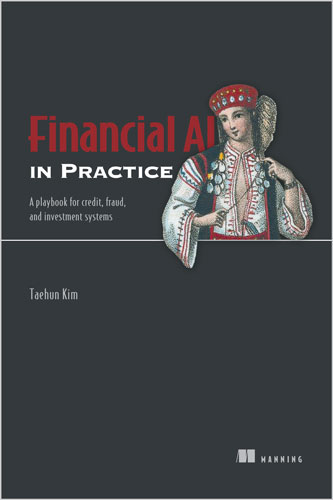
A playbook for credit, fraud, and investment systems
Taehun Kim
#AI
#Financial_AI
#LLM
🏦 هوش مصنوعی مالی؛ از ساخت مدل تا تصمیمهای قابلدفاع در دنیای واقعی
💭 «آموزنده، جذاب و کاملاً متکی بر واقعیتها و پیچیدگیهای حوزه مالی.»
— تامر خریشه، نویسنده کتاب Financial Data Engineering
📘 توضیح کتاب
⚖️ بانکها، شرکتهای بیمه، مؤسسههای وام مسکن و سایر سازمانهایی که با مبالغ بزرگ سروکار دارن، با قواعد متفاوتی نسبت به بقیه صنعت نرمافزار فعالیت میکنن. نرمافزارهای مالی، از جمله مدلهای ML و AI، باید در برابر بررسی نهادهای ناظر، کمیتههای ریسک و شرایط واقعی بازار دوام بیارن. کتاب Financial AI in Practice نشان میده چطور سیستمهایی طراحی، عرضه و از عملکردشون دفاع کنی که درباره اعتبار تصمیم میگیرن، تقلب را شناسایی میکنن، به سرمایهگذاری جهت میدن و تعامل مشتریان را حفظ میکنن؛ همگی در چارچوب محدودیتهای صنعتی با نظارت سختگیرانه.
🏗️ تههون کیم در این کتاب، یک دهه تجربه فینتک را در قالب چارچوبی تکرارپذیر و چهارلایه ارائه میده: داراییهای داده، مدلسازی، راهبرد و پایش، و اپلیکیشن. با این چارچوب، سیستمهای مالی با محوریت AI برای چهار چالش واقعی میسازی: امتیازدهی اعتباری، تشخیص تقلب، سرمایهگذاری و پیشبینیهای شخصیسازیشده. مسیر با یک Pipeline سرتاسری امتیازدهی اعتباری شروع میشه که آمادهسازی و اعتبارسنجی داده، هماهنگسازی گردشکارهای دورهای، مهندسی ویژگی با Weight of Evidence و Information Value، آموزش و استقرار مدل XGBoost و ارائه توضیحات قابلراستیآزمایی را پوشش میده.
🔍 برای تشخیص تقلب، با یک طبقهبند تنظیمشده LightGBM و Autoencoderهایی کار میکنی که الگوهای غیرعادی را از طریق خطای بازسازی شناسایی میکنن. همچنین یک شبکه عصبی گرافی یا GNN در PyTorch میسازی تا الگوهای تقلب را در شبکه تراکنشها کشف کنی. در بخش سرمایهگذاری، راهبردی ترکیبی توسعه میدی که موتور Random Forest را با تحلیلگر اخبار مبتنی بر LLM همراه میکنه. یک Pipeline کامل RAG هم میسازی که دقیقاً منابع داده موردنیاز را دریافت میکنه و از طریق پرامپتهای ساختاریافته، یک «تحلیلگر LLM» را برای مشاوره سبد سرمایهگذاری به کار میگیره؛ همراه با ثبت کامل تصمیمها.
🎯 در ادامه، با یک موتور شخصیسازی که کاربران را براساس «DNA مالی» خوشهبندی میکنه، پیشبینیها را به درآمد تبدیل میکنی. همچنین یک Agent خودمختار حفظ مشتری میسازی که قابلیت فراخوانی ابزار داره و از فرایند پیشنویس–تأیید یا Draft-Approve با حضور انسان در چرخه استفاده میکنه. کریستوفر فوربز از OneSpan، ارتباط چارچوب چهارلایه با چهار مسیر راهکارهای کسبوکار را یکی از نقاط قوت کتاب میدونه؛ ارتباطی که مسیر منسجمی برای AI مالی ایجاد میکنه.
🛡️ در تمام ۱۴ فصل و ۶ پیوست کاربردی، موضوعات دشوار کنار گذاشته نمیشن. محدودیتهای نظارتی، ریسک مدل، انصاف در اعطای وام، توهمهای AI، موازنه هزینه و تأخیر و گفتوگو با هیئتمدیره درباره بازگشت سرمایه، همگی بهعنوان دغدغههای اصلی مهندسی بررسی میشن. تجربه نویسنده در محیطهایی که نهادهای ناظر سؤالهای سخت میپرسن و مدیران بودجه بهدنبال بازده مالی واقعی هستن، در رویکرد عملی کتاب بازتاب پیدا میکنه.
🎯 برای دانشمندان داده، مهندسان ML، مالکان محصول و تحلیلگران مالی، این کتاب مسیری عملی برای ساخت AI در محیطهای تحت نظارته؛ از مدلها و Pipelineهای توضیحپذیر و قابلدفاع تا گردشکارهای عاملمحور که نظارت انسانی را حفظ میکنن.
✨ محتوای کتاب
🧠 ترکیب تکنیکهای کلاسیک یادگیری ماشین با LLMهای پیشرفته.
🔎 تشخیص تقلب با روشهای نظارتشده، بدون نظارت و مبتنی بر گراف.
⚖️ مدلها و Pipelineهای قابلدفاع و توضیحپذیر برای پاسخگویی به نظارت نهادهای تنظیمگر.
🤖 گردشکارهای Agentic AI با سازوکارهای حاکمیتی و حضور انسان در چرخه.
📝 نقد و بررسی
💭 «پیوند دادن چارچوب چهارلایه با چهار مسیر راهکارهای کسبوکار، نقشه راهی منطقی و منسجم برای هوش مصنوعی مالی ارائه میده.»
— کریستوفر فوربز، OneSpan
💭 «کاملاً مشخصه که تههون کیم این سیستمها را در محیطهای Production ساخته؛ جایی که نهادهای ناظر سؤالهای سخت میپرسن و صاحبان بودجه، بازگشت سرمایه را به دلار میخوان، نه چند امتیاز افزایش در AUC. این تجربه در تکتک صفحهها دیده میشه.»
— حسن بنا، InfinitiLoom Tech
👤 این کتاب برای چه کسانیه؟
👨💻 برای دانشمندان داده، مهندسان یادگیری ماشین، مالکان محصول و تحلیلگران مالی که در محیطهای تحت نظارت، سیستمهای AI میسازن.
📖 فهرست مطالب
بخش اول. مبانی هوش مصنوعی مالی
فصل ۱. معرفی AI در امور مالی
فصل ۲. از مدل تا درآمد: راهنمای یک استراتژیست برای AI مالی در دنیای واقعی
فصل ۳. کار با هوش مصنوعی مولد در امور مالی
بخش دوم. ساخت AI برای ریسک اعتباری
فصل ۴. ریسک و انطباق: مبانی ریسک اعتباری
فصل ۵. امتیازدهی اعتباری سرتاسری برای کاربردهای مالی: رویکردی عملی مبتنی بر AI
فصل ۶. ارتقای گردشکارهای امتیازدهی در بانکداری، خدمات مالی و بیمه: دستهبندی بازهای پیشرفته، پایش و توضیحپذیری
بخش سوم. ساخت AI برای تشخیص تقلب
فصل ۷. شناخت تقلب مالی و راهبردهای بنیادی تشخیص آن
فصل ۸. ساخت سیستمهای AI برای تشخیص تقلب: از امتیازدهی نظارتشده تا شناسایی ناهنجاری
فصل ۹. آشکار کردن ارتباطات پنهان: تحلیلهای مبتنی بر گراف برای تشخیص پیشرفته تقلب
بخش چهارم. ساخت AI برای راهبردهای سرمایهگذاری
فصل ۱۰. ساخت موتور کمّی: پیشبینی جهت بازار با یادگیری ماشین
فصل ۱۱. ساخت موتور کیفی با تحلیل اخبار و LLMها
فصل ۱۲. تقویت تصمیمهای سرمایهگذاری: تخصیص سبد سرمایهگذاری با هدایت LLM
بخش پنجم. ساخت AI برای ارتقای تجربه مشتری و تعالی عملیاتی
فصل ۱۳. بهبود تجربه مشتری: ساخت موتور شخصیسازی
فصل ۱۴. افزایش بهرهوری عملیاتی: ساخت Agentهای خودمختار حفظ مشتری
پیوستها
پیوست A. راهاندازی محیط توسعه
پیوست B. مرجع جامع گونهشناسی تقلب و مدلسازی
پیوست C. فرهنگ داده مجموعهدادهها و ویژگیها
پیوست D. مرجع سریع معیارهای کلیدی هوش مصنوعی مالی
پیوست E. تبدیل مقررات به الزامات مهندسی
پیوست F. منابع و مطالعه بیشتر
👤 درباره نویسنده
👨💻 تههون کیم، دانشمند داده در سطح Staff در یک شرکت بزرگ تجارت الکترونیکی پذیرفتهشده در بورس نیویورک است. او فعالیتهای AI مالی را در زمینه تشخیص تقلب، ریسک اعتباری و سیستمهای تصمیمگیری در مقیاس بزرگ هدایت میکنه.
🏅 او همچنین دارای عنوان Kaggle Notebooks Grandmaster و استاد مدعو در زمینه آموزش هوش مصنوعی مالی است.
"Informative, engaging, and well-grounded in the realities and complexities of the financial domain.”
—Tamer Khraisha, Author of Financial Data Engineering
Banks, insurance companies, mortgage lenders, and other institutions that deal with big money play by different rules than the rest of the software industry. Financial software—including machine learning and AI models—has to survive contact with regulators, risk committees, and real markets. Financial AI in Practice shows you how to design, ship, and defend AI systems that handle credit decisions, catch fraud, guide investments, and keep customers engaged, all under the constraints of a strictly regulated industry.
In this important book, author Taehun Kim distills a decade of fintech experience into a repeatable 4-Layer Framework—Data Assets, Modeling, Strategy & Monitoring, and Application. As you go, you’ll build AI-first financial systems that take on four real-world challenges—credit scoring, fraud detection, investment, and personalized predictions. You’ll start with an end-to-end credit scoring pipeline that trains and deploys an XGBoost model to prepare and validate data, orchestrate recurring workflows, engineer features with Weight of Evidence and Information Value, and deliver verifiable explanations.
You’ll also take on fraud detection using a tuned Light-GBM classifier with autoencoders that flag anomalous patterns through reconstruction error and a Graph Neural Network in PyTorch that uncovers fraud patterns in transaction networks. For investment, you’ll build a hybrid strategy that pairs a Random Forest engine with an LLM-powered news analyst. You’ll construct a full RAG pipeline that ingests the exact data sources you need and prompts a structured “LLM Analyst” portfolio advisor with a complete decision log.
Finally, you’ll turn predictions into revenue with a personalization engine that clusters users by “financial DNA” and an autonomous retention agent with tool-calling and a human-in-the-loop Draft-Approve process. Reviewer Christopher Forbes of OneSpan appreciated how “connecting the 4-Layer Framework to the four business solution streams provides a logical, cohesive roadmap for financial AI.”
Throughout the 14 hard-hitting chapters and 6 practical appendices, Taehun Kim refuses to skip the hard parts. Regulatory constraints, model risk, fair lending, hallucinations, cost-latency trade-offs, and the ROI conversation with the boardroom are treated as first-class engineering concerns. Reviewer Hasan Banna of InfinitiLoom Tech summed it up perfectly: “Taehun Kim has clearly built these systems in production environments where regulators ask hard questions and budget holders want ROI in dollars, not AUC points. That experience shows on every page.”
What’s inside
• Classic ML techniques paired with cutting edge LLMs
• Supervised, unsupervised, and graph-based fraud detection
• Defensible, explainable models and pipelines for regulatory oversight
• Agentic AI workflows with human-in-the-loop governance.
About the Reader
For data scientists, ML engineers, product owners, and financial analysts building AI in regulated environments.
Table of Contents
Part 1. Foundations of Financial AI
1. Introducing AI in Finance
2. From Model to Money: A Strategist’s Guide to Real-World Financial AI
3. Working with Generative AI in Finance
Part 2. Building AI for Credit Risk
4. Risk and Compliance: Credit Risk Fundamentals
5. End-to-End Credit Scoring for Financial Applications: A Real-World AI Approach
6. Enhancing BFSI Scoring Workflows: Advanced Binning, Monitoring, and Explainability
Part 3. Building AI for Fraud Detection
7. Understanding Financial Fraud and Foundational Detection Strategies
8. Building AI Fraud Detectors: From Supervised Scoring to Anomaly Identification
9. Unveiling Hidden Connections: Graph-Based Analytics for Advanced Fraud Detection
Part 4. Building AI for Investment Strategies
10. Building the Quantitative Engine: Market Direction Prediction with Machine Learning
11. Building the Qualitative Engine with News Analysis and LLMs
12. Augmenting Investment Decisions: LLM-Guided Portfolio Allocation
Part 5. Building AI for Customer and Operational Excellence
13. Enhancing Customer Experience: Building a Personalization Engine
14. Driving Operational Efficiency: Building Autonomous Retention Agents
Appendix A. Setting Up Your Development Environment
Appendix B. Comprehensive Fraud Typology and Modeling Reference
Appendix C. Dataset and Feature Dictionaries
Appendix D. A Quick Reference on Key Financial AI Metrics
Appendix E. Translating Regulation into Engineering Requirements
Appendix F. References and Further Reading
About the Author