ثبت نام / ورود
0
ثبت نام / ورود
0
#Data_Structures
#Algorithms
🧭 ماجراجویی در دنیای ساختمان دادهها و الگوریتمهای متفاوت
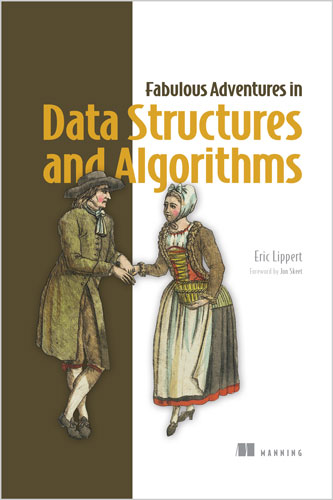
🚀 کتاب Fabulous Adventures in Data Structures and Algorithms از مسیرهای تکراری فاصله میگیره و الگوریتمهای جالب، ناآشنا و حتی نامتعارفی را بررسی میکنه که نگاه برنامهنویس را به حل مسئله تغییر میدن. اریک لیپرت با لحنی صمیمی و مثالهایی کاملاً عملی، الگوهای مشترک پشت مسئلههای سرسخت برنامهنویسی را آشکار میکنه.
✨ ویژگیهای کلیدی
🔒 نحوه ساخت سیستمهای Concurrent بسیار کارآمد و Thread-safe را با استفاده از اجزای Immutable آموزش میده.
🗜️ نشون میده چطور با Memoized Quadtreeها و Directed Acyclic Word Graphها یا DAWGها، حجم نمایش دادههای بزرگ را بهشدت کاهش بدی.
🌳 روش حل بهینهسازیهای پیچیده Compiler را با Unification، Anti-Unification و Backtracking Search بررسی میکنه.
🎲 ابزارهایی برای خودکارسازی تصمیمهای دقیق و سازگار با اصول ریاضی در شرایط واقعی و نامطمئن ارائه میده.
📘 توضیح کتاب
🧠 این کتاب خواننده را دعوت میکنه از مسیرهای شناختهشده فاصله بگیره و الگوریتمهایی جالب، نامأنوس و حتی عجیب را کشف کنه؛ الگوریتمهایی که زاویه نگاه به برنامهنویسی را به چالش میکشن و کیفیت Code را ارتقا میدن. اریک لیپرت، طراح شناختهشده زبانهای برنامهنویسی، این مسیر را با رویکردی تازه و محاورهای هدایت میکنه.
🧱 سفر کتاب با نگاهی تازه به ساختمان دادههای بنیادی، Thread-safe، Persistent و Immutable آغاز میشه. لیپرت Stackها، Queueها و Finger-tree Dequeها را از حالت پیچیده خارج میکنه و نشون میده Persistence چطور به مدیریت بهینه Memory کمک میکنه.
☁️ این Patternها برای Developerهایی که در محیطهای بسیار Concurrent و Cloud-native فعالیت میکنن، اهمیت ویژهای دارن. استفاده درست از آنها کمک میکنه Race Conditionهای پنهان و Bugهای ناشی از تغییر State حذف یا محدود بشن.
🔍 در ادامه، کتاب به Structural Search، طراحی Compiler و ترکیب Functional Programming با زبانهای رایج Object-oriented میپردازه. Directed Acyclic Word Graphها یا DAWGها، Greedy Pretty Printerها و پیچیدگیهای Tree Unification از موضوعات اصلی این بخش هستن.
⚙️ این قسمت میان Theory و ابزارهای واقعی ارتباط برقرار میکنه و یاد میده چطور Compilerهایی بسیار Modular یا موتورهای Static Analysis مقاوم طراحی کنی. همچنین روش نوشتن APIهایی Declarative، Composable و Expressive را بررسی میکنه.
🎲 بخش پایانی به مدلسازی Randomness، Statistical Reasoning و Continuous Probability اختصاص داره؛ مفاهیمی بنیادی برای AI و Predictive Analytics. لیپرت تکنیکهای پیشرفته Bayesian و Monadic را معرفی میکنه و نشون میده چطور Joint Distributionها را بسازی و با الگوریتم قدرتمند Metropolis از آنها Sample بگیری.
🤖 در دوران AI Coding، هزینه پیادهسازی Code داره کمتر میشه؛ اما AI مسئولیت درک معنای Code، دلیل انتخاب یک راهحل، نحوه Scaling آن یا درستی تعریف مسئله را از دوش Developer برنمیداره. این کتاب دقیقاً همین قضاوت مهندسی را تقویت میکنه.
🎯 بعد از مطالعه کتاب، در تشخیص، انتخاب، زیر سؤال بردن و ارزیابی ایدههای پشت پیادهسازیها مهارت بیشتری به دست میاری. کتاب با مثالهایی غیرمعمول و ماندگار، نوعی دوره شاگردی در Computational Taste ارائه میده؛ مهارتی که با گسترش AI ارزش بیشتری پیدا میکنه.
🎯 چیزهایی که یاد میگیری
🔒 یاد میگیری Stackها، Queueها و Dequeهای Immutable، Persistent و Thread-safe طراحی کنی.
🧠 درک میکنی Persistence چطور به استفاده کارآمدتر از Memory و کاهش State Mutation Bugها کمک میکنه.
🗜️ میتونی با Memoized Quadtreeها و DAWGها، نمایش دادههای حجیم را فشردهتر کنی.
🌈 یاد میگیری مسئلههای Graph Coloring را با Backtracking Search حل کنی.
🖨️ با Greedy Iterative Pretty Printing، Unification و Anti-Unification آشنا میشی.
🧩 درک میکنی Functional Programming، Category Theory و Monadها چطور در زبانهای Object-oriented و طراحی APIها به کار میرن.
🎲 یاد میگیری Randomness، Conditional Probability و Joint Distributionها را با ابزارهای دقیقتر مدلسازی کنی.
📊 میتونی با Markov Processها و الگوریتم Metropolis از Continuous Distributionها نمونهگیری کنی.
👤 این کتاب برای چه کسانیه؟
💻 این کتاب برای برنامهنویسان شاغلی نوشته شده که با یکی از زبانهای C#، Java یا Python آشنایی دارن و میخوان درک عمیقتری از ساختمان دادهها، الگوریتمها و طراحی راهحلهای نرمافزاری به دست بیارن.
🛠️ مطالب برای Developerهایی مناسبه که روی سیستمهای Concurrent، محیطهای Cloud-native، Compilerها، Static Analysis، API Design، AI یا Predictive Analytics کار میکنن.
📌 آشنایی با برنامهنویسی و یکی از زبانهای C#، Java یا Python پیشنیاز اصلی کتابه. در متن منبع، پیشنیاز دیگری ذکر نشده است.
📖 فهرست مطالب
فصل ۱. آغاز یک ماجراجویی شگفتانگیز
بخش اول. گسترش مبانی
فصل ۲. Stackها و Queueهای Immutable
فصل ۳. یک Deque تغییرناپذیر
فصل ۴. Memoize کردن Quadtreeهای Immutable برای ساختن زندگی بهتر
فصل ۵. چه خبرته، Directed Acyclic Word Graph؟
فصل ۶. الگوریتمهای Combinatorial
فصل ۷. نخستین میانپرده Abstract Nonsense؛ Category Theory
بخش دوم. جستوجو، حل مسئله و استنتاج
فصل ۸. رنگآمیزی Graphها با Backtracking Search
فصل ۹. Greedy Iterative Pretty Printing
فصل ۱۰. Unification و Anti-Unification
فصل ۱۱. دومین میانپرده Abstract Nonsense؛ Monadها
بخش سوم. احتمالها
فصل ۱۲. Abstraction بهتر برای Randomness
فصل ۱۳. Conditional Probability با قضیه Bayes
فصل ۱۴. سومین میانپرده Abstract Nonsense؛ Probability Monad
فصل ۱۵. نمونهگیری از Continuous Distributionها
فصل ۱۶. Markov Processها و الگوریتم Metropolis
📝 نقد و بررسی
💭 «کتابی دقیق، کنجکاوانه، با طنزی ظریف و بهشکل خارقالعادهای سخاوتمند در انتقال بینشهایی که بهسختی به دست آمدهاند.»
اسکات هنسلمن، Microsoft
👤 درباره نویسنده
💻 اریک لیپرت در طراحی زبانهای برنامهنویسی، Compilerها و دیگر ابزارهای Developer برای شرکتهای Microsoft، Coverity و Facebook فعالیت کرده است.
⚙️ او عضو تیمهای طراحی، پیادهسازی یا تدوین Specification زبانها و فناوریهای Visual Basic، JavaScript، VBScript، C#، Hack و Bean Machine بوده است.
✍️ وبلاگ محبوب اریک لیپرت درباره Language Design، ساختمان دادهها، الگوریتمها و دیگر «ماجراجوییهای شگفتانگیز در Coding» بیش از بیست سال فعالیت داشته است.
🌐 نوشتههای او در وبسایت ericlippert.com در دسترس هستن.
"Rigorous, curious, quietly funny, and extraordinarily generous with hard-won insight."
—Scott Hanselman, Microsoft
This book invites you to step off the beaten path and explore interesting, unfamiliar, and even exotic algorithms that will challenge your perspective and elevate your code. Legendary language designer Eric Lippert guides you with a refreshing, conversational approach, providing beautifully practical examples that highlight the recurring patterns behind stubborn coding problems.
You’ll begin with a fresh look at foundational, thread-safe, and persistent immutable data structures. Lippert demystifies stacks, queues, and finger-tree deques, illustrating how to manage memory efficiently through persistence. For developers working in highly concurrent, cloud native environments, these patterns will help you eliminate hard-to-spot race conditions and state-mutation bugs.
Your fabulous adventure then turns to structural search, compiler design, and the integration of functional programming within mainstream object-oriented languages. You’ll dive into Directed Acyclic Word Graphs (DAWGs), greedy pretty printers, and the complexities of tree unification. This section bridges theory and real-world tools, teaching you how to design highly modular compilers or robust static analysis engines and to write declarative, composable, and expressive APIs.
In the final leg of your journey, you’ll model randomness, statistical reasoning, and continuous probability—core concepts for AI and predictive analytics. Lippert introduces advanced Bayesian and monadic techniques, teaching you how to construct joint distributions and sample them using the powerful Metropolis algorithm. This statistical toolkit aligns perfectly with modern data-driven systems that need to make consistent, sound decisions under real-world uncertainty.
In the age of AI coding, implementation is becoming cheaper. AI can write code, but it cannot relieve developers of responsibility for understanding what the code means, why a given solution was chosen, how it will scale, and whether the problem has been framed correctly. This book develops exactly that judgment. It teaches the part that is becoming more valuable: recognizing, selecting, questioning, and evaluating the ideas behind implementations. It is an apprenticeship in computational taste, taught through unusual and memorable examples.
What's inside
• Build highly efficient, thread-safe concurrent systems using immutable parts
• Compress massive data representation sizes using memoized quadtrees and DAWGs
• Solve complex compiler optimizations using unification and backtracking search
• Automate precise, mathematically sound decisions under real-world uncertainty
About the reader
For working programmers familiar with C#, Java, or Python.
Table of Contents
1. Starting a Fabulous Adventure
Part 1. Extending the Basics
2. Immutable Stacks and Queues
3. An Immutable Deque
4. Memoizing Immutable Quadtrees to Make a Better Life
5. What’s Up with You, Directed Acyclic Word Graph?
6. Combinatorial Algorithms
7. First Abstract Nonsense Interlude: Category Theory
Part 2. Searching, Solving, Inferring
8. Coloring Graphs with Backtracking Search
9. Greedy Iterative Pretty Printing
10. Unification and Anti-Unification
11. Second Abstract Nonsense Interlude: Monads
Part 3. Probabilities
12. A Better Abstraction for Randomness
13. Conditional Probability with Bayes’ Theorem
14. Third Abstract Nonsense Interlude: The Probability Monad
15. Sampling Continuous Distributions
16. Markov Processes and the Metropolis Algorithm
About the Author
Eric Lippert designed programming languages, compilers, and other developer tools for Microsoft, Coverity, and Facebook. He’s been on the design and/or implementation and/or specification teams for Visual Basic, JavaScript, VBScript, C#, Hack, and Bean Machine. Eric’s popular blog about language design, data structures and algorithms, and other “fabulous adventures in coding,” which you can read at ericlippert.com, has enjoyed a twenty-year run.