ثبت نام / ورود
0
ثبت نام / ورود
0
Navigating Chaos to Build Teams That Deliver
Juan Pablo Buriticá and James Turnbull
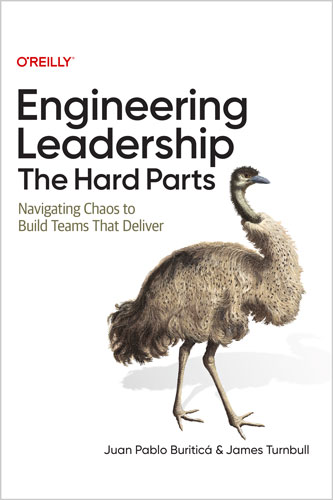
#Engineering
#Leadership
🚀 چه توی یه استارتاپ نوپا باشی، چه در حال توسعه یه سازمان بزرگ، لیدرهای مهندسی خوب میدونن که شغل اصلیشون مدیریت و کنترل آشوب مابینه. توی دنیایی که اولویتها مدام عوض میشه، منابع کمه و تغییرات با سرعت برق و باد اتفاق میفته، مدیریت یعنی آغوش باز برای ابهامات، مدیریت اهدافی که مدام جابهجا میشن و ایجاد شفافیت توی دل تاریکی. بعضی وقتها انگار داری وسط پرواز، هواپیما رو میسازی؛ یعنی همزمان که جلو میری، نقشه راه رو مینویسی و فرآیندها رو طراحی میکنی. کتاب Engineering Leadership: The Hard Parts مستقیم میره سر اصل مطلب و یه راهنمای عملی برای عبور از همین چالشهای سخت و واقعی ارائه میده. اگه الان لیدری یا قراره بشی، این کتاب جعبهابزار توئه؛ پر از اصول، تکنیکها و مدلهای ذهنی برای موفقیت توی شرایط نامطمئن.
🎯 چه کسایی باید این کتاب رو بخونن
• به عنوان یه لیدر مهندسی، مسئولیت موفقیت تیم و تحویل پروژههای فنی پیچیده روی دوش توئه. این کار حتی توی بهترین شرایط هم سخته، چه برسه به یه محیط پرآشوب که میتونه واقعاً غیرممکن به نظر برسه.
• شاید یه مدیر مهندسی تازه کار باشی که یهو مسئول یه تیم و کدبیسی شدی که هنوز داری کشفش میکنی. داری سعی میکنی بین نیازهای تیم و خواستههای بیزنس تعادل ایجاد کنی و همزمان سبک مدیریتی خودت رو بسازی و اعتماد تیم رو جلب کنی.
• یا شاید یه مدیر ارشد یا معاون (VP) باسابقه باشی که وارد سازمانی شدی که سرعت رشدش از سرعت شکلگیری فرآیندهاش بیشتر بوده. داری کلی اضافه کاری میکنی که همه چی رو روی ریل نگه داری، اما حس میکنی همش داری آتیش خاموش میکنی و هیچ وقت برای برنامهریزی استراتژیک یا رشد تیم وقت نداری.
• حتی ممکنه یه لیدر فنی باشی (مثل Staff Engineer یا معمار سیستم) که میخوای بدون داشتن قدرت رسمی، تیم رو هدایت کنی. چالشهای فنی رو میبینی، اما برای همراه کردن بقیه ذینفعان سازمان نیاز به کمک داری.
• توی هر موقعیتی که باشی، مدیریت توی آشوب انرژیآدم رو میگیره. خستهکننده و استرسزاست، اما یادت باشه: توی این شرایط، تیمت بیشتر از همیشه بهت نیاز داره تا بهشون جهت و آرامش بدی. این کتاب اینجاست تا با انتقال تجربهها، تو رو برای این مسیر مجهز کنه.
💡 چرا باید این کتاب رو بخونی
کتاب درباره مدیریت و رهبری زیاده، اما اکثرشون فرض میکنن تو توی یه محیط آروم و ایدهآل با فرآیندهای مشخص و منابع کافی کار میکنی. اما اگه واقعیت تو این نباشه چی؟ اگه توی سازمانی باشی که نقشها شفاف نیستن و اولویتها هر روز عوض میشن چی؟
توی این شرایط، نصیحتهای استاندارد جواب نمیده. به کسی که داره غرق میشه نمیشه گفت "خب فقط شنا کن". این کتاب بر اساس تجربه واقعی توی دل آشوب نوشته شده. ما اینجا چارچوبی بهت میدیم که بتونی جای پات رو محکم کنی، تصمیمات درست بگیری و با اطلاعات کم، بهترین خروجی رو داشته باشی. اگه دنبال یه نقشه راه برای تبدیل سازمانت به یه ماشین بینقص میگردی، این کتاب اون نیست؛ اما اگه دنبال راهکارهای عملی برای مدیریت واقعیتهای نامنظم و انسانی هستی، درست اومدی.
📑 فهرست مطالب
✍️ درباره نویسندهها
• خوان پابلو بوریتیکا (Juan Pablo Buriticá): متخصص ساخت و مقیاسدهی به تیمهای مهندسی توزیع شده (Remote). اون تجربه لیدری توی شرکتهای بزرگی مثل Stripe و Splice رو داره و الان CTO شرکت Convergint هست.
• جیمز ترنبول (James Turnbull): یه مدیر فنی همهفنحریف که سابقه CTO بودن توی Kickstarter و VP Engineering توی Venmo رو داره. اون تا حالا ۱۱ تا کتاب فنی نوشته و توی شرکتهای بزرگی مثل Microsoft و Docker هم نقشهای کلیدی داشته.
Whether they're building a startup or scaling an established org, engineering leaders know the real job is keeping chaos under control. In a world of shifting priorities, scarce resources, and rapid change, leadership means embracing the unknown, managing moving targets, and creating clarity where there's none. Sometimes, you're building the plane as you're flying it--writing the roadmap as you go, designing processes in real time. Engineering Leadership: The Hard Parts cuts through the noise, offering a guide for tackling these gritty, real-world challenges. Current and future leaders, this is your toolkit. It's packed with principles, techniques, and mental models for thriving in uncertainty.
Stay ahead. Lead with purpose.
Table of Contents
Chapter 1. Embracing the Unknown
Chapter 2. Understanding Your Role
Chapter 3. Navigating Chaos
Chapter 4. Building Cohesive Teams
Chapter 5. Setting Direction
Chapter 6. Shipping Products and Code in Chaotic Environments
Chapter 7. Budgeting, Costs, and Vendors
Chapter 8. Technical Principles and Strategy
Chapter 9. Collaborative Technical Practices and Decision Making
Chapter 10. Metrics That Matter for Engineering Teams
Chapter 11. Fitting It All Together
Who Should Read This Book
As an engineering leader, you’re responsible for your team’s success and the delivery of complex technical projects. This is challenging even under the best circumstances, but it can feel downright impossible within a chaotic environment.
You may be a new engineering manager, suddenly responsible for a team and a codebase that you’re still learning to navigate. You’re trying to figure out how to balance your team’s needs with the business’s demands, all while establishing your own leadership style and earning the trust of your reports.
Or perhaps you’re a seasoned director or vice president, but you’ve landed in an organization that’s growing faster than its processes and structure can keep up. You’re working long hours to keep things on track, but it feels like you’re always firefighting and never have time for strategic planning or team development.
You might be a technical leader—a staff engineer or architect—trying to lead without formal authority. You see the technical challenges and risks that must be addressed, but need help gaining buy-in and alignment from organizational stakeholders.
Regardless of your specific role or context, leading in a chaotic environment is draining. You likely juggle multiple roles and navigate endless obstacles and surprises. It can be frustrating, stressful, and demoralizing.
But here’s the thing: as hard as it is, your leadership matters now more than ever. In the face of chaos and uncertainty, your team needs someone to provide direction, clarity, and support. They need someone to advocate for them and clear the path for their work. They need someone to create a pocket of sanity and stability where they can focus and do their best work.
That someone is you. You have the opportunity and responsibility to be the leader that your team needs. It won’t be easy, but it is possible—and this book is here to help. By sharing our experiences and lessons, we aim to equip you with the mindsets and techniques necessary to navigate and succeed as a leader under challenging circumstances.
Why You Should Read This Book
When it comes to books on leadership and management, there is no shortage of options. Walk into any bookstore or browse online, and you’ll find shelves upon shelves of titles promising to make you a better leader. Many of these books are excellent—we’ve read lots of them and have learned a great deal from their insights and advice.
However, we’ve also found that much of this advice implicitly assumes that you operate in a relatively stable and functional environment. The case studies and examples often feature organizations with clear structures, well-defined processes, and ample resources to invest in new initiatives and professional development.
But what if that’s not your reality? What if you’re trying to lead in an organization that’s more chaotic than calm—where roles and responsibilities are unclear, priorities change by the day, and you’re lucky to get through a meeting without being pulled into the latest fire drill?
In these situations, much of the standard leadership advice falls flat. It’s not that it’s bad advice—it’s just not feasible to implement when you’re barely keeping your head above water. Telling a leader in a chaotic environment to “just” implement a new process or “just” carve out time for strategic planning is like telling a drowning person to “just” swim to shore. It’s not helpful when you’re consumed by treading water.
That’s where this book comes in. We’ve both been in the thick of chaotic organizations and had to figure out how to lead and ship products despite the disorder. We’ve had to adapt the best practices and principles of engineering leadership to fit the constraints and challenges of our environments.
In this book, we want to share what we’ve learned. We offer a framework for making sense of the chaos and finding your footing as a leader. We provide concrete strategies and techniques for common challenges like clarifying priorities, making decisions with limited information, communicating effectively, and caring for your team and yourself.
Importantly, our advice is grounded in the realities of leading in less-than-ideal circumstances. We know you need more time, resources, and authority. We know you’re dealing with ambiguity, politics, and competing demands. Our goal is to equip you with tools and mental models that you can adapt and apply in your unique context.
If you’re looking for a playbook to transform your organization into a perfectly oiled machine, this isn’t it. But if you’re looking for practical guidance on navigating the messy, human realities of leading in times of uncertainty and change, keep reading.
About the Author
Juan Pablo Buriticá knows what it takes to build and scale distributed engineering teams that thrive--whether at fast-moving startups or public companies. As he writes this book, he leads global technology at Convergint as CTO. He has built product engineering teams at Stripe and Splice, always focused on technical excellence and strong team culture. Beyond his work in the industry, he has helped bootstrap the tech community in Colombia and across Latin America through conferences, meetups, and continuous community advocacy, including founding one of the largest Spanish-speaking JavaScript collectives.
James Turnbull is CTO at Smartrr, an ecommerce startup focusing on subscriptions and postsale experiences for customers and merchants. Before Smartrr, he was SVP of Engineering at Sotheby's, ran startup advocacy at Microsoft, and was founder and CTO at Empatico, CTO at Kickstarter, VP of Engineering at Venmo, and in leadership roles at Glitch, Docker, Timber, and Puppet. He also had a long career in enterprise technology, working in banking, biotech, and ecommerce. He chaired the O'Reilly Velocity conference series, is a startup advisor and investor, and has written 11 technical books.