ثبت نام / ورود
0
ثبت نام / ورود
0
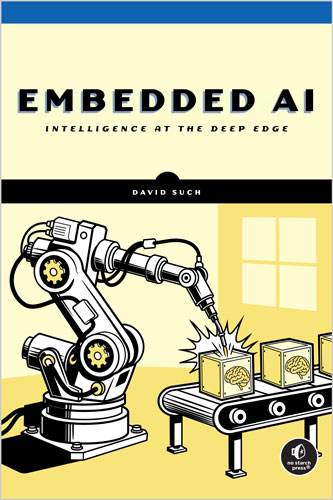
Intelligence at the Deep Edge
#Embedded
#AI
#Deep_Edge
#Deep_Learning
#PCB
#Data_Analysis
#MIDI
🤖 یک راهنمای پروژهمحور برای طراحی، آموزش و استقرار هوش مصنوعی مستقیماً روی سختافزارهای تعبیهشده (Embedded Hardware) که نشون میده چطور میشه با وجود محدودیتهای دنیای واقعی، سیستمهای هوشمند و خودمختار ساخت.
💡 شما از قبل میدونید چطور سیستمهای تعبیهشده بسازید. حالا وقتشه اونها رو هوشمند کنید.
⚙️ اضافه کردن هوش مصنوعی به یک دستگاه تعبیهشده، چیزی فراتر از آموزش یک مدله. باید سختافزار مناسب رو انتخاب کنید، دادهها رو جمعآوری و آماده کنید، مدلها رو روی دستگاههایی با منابع محدود مستقر کنید و همهٔ این اجزا رو در قالب سیستمی یکپارچه کنید که عملکرد قابلاعتمادی داشته باشه.
🛠️ دیوید ساچ (David Such) با تکیه بر بیش از ۳۰ سال تجربه در مهندسی سیستمهای تعبیهشده، خواننده رو با تمام مراحل این فرایند مهندسی آشنا میکنه. کتاب شامل بیش از ۲۵ پروژهٔ عملی همراه با سورسکدهای قابلدانلود، نقشههای شماتیک (Schematics)، طرحهای برد مدار چاپی (PCB) و مجموعهدادهها (Datasets) است. برای انجام این پروژهها هیچ تجربهٔ قبلی در زمینهٔ یادگیری ماشین لازم نیست.
🎯 پروژههایی که خواننده میسازه:
🎙️ یک سیستم تشخیص کلمهٔ فعالساز (Wake-Word Detector) که به صدای کاربر واکنش نشون میده
🔊 یک سیستم حذف نویز بلادرنگ (Real-Time Noise Suppression) مبتنی بر هوش مصنوعی
🎹 یک سینتیسایزر MIDI مبتنی بر هوش مصنوعی که موسیقی میسازه
🔋 یک سیستم نظارت بر باتری که دادههای آموزشی خودش رو جمعآوری میکنه
📷 یک سیستم تشخیص افراد (Person Detection) که شبکهٔ عصبی رو روی یک برد مجهز به دوربین اجرا میکنه
🚀 چه خواننده یک توسعهدهندهٔ سیستمهای تعبیهشده باشه که میخواد هوش مصنوعی رو به محصولاتش اضافه کنه، چه یک متخصص یادگیری ماشین که قصد داره وارد حوزهٔ سختافزارهای تعبیهشده بشه و چه یک سازنده (Maker) که آمادهست از پروژههای مقدماتی فراتر بره، کتاب Embedded AI (هوش مصنوعی تعبیهشده) تصمیمهای مهندسی پشت هر طراحی رو بهش آموزش میده.
🔧 وقتی اتصالات Breadboard درست کار نمیکنن، دادههای سنسورها نویز دارن یا فضای حافظهٔ Tensor Arena بیشازحد کوچیکه، خواننده میدونه چطور مشکل رو برطرف کنه و چرا راهکار موردنظر جواب میده.
📖 فهرست مطالب
بخش اول. مبانی هوش مصنوعی تعبیهشده (Embedded AI)
فصل ۱. مسیر ورود به هوش مصنوعی تعبیهشده
فصل ۲. مفاهیم پایهٔ سیستمهای تعبیهشده
فصل ۳. یادگیری ماشین کاربردی در پروژههای سیستمهای تعبیهشده
فصل ۴. یادگیری عمیق (Deep Learning)
فصل ۵. تحلیل اکتشافی دادهها (Exploratory Data Analysis)
بخش دوم. کار با سنسورها و دادهها
فصل ۶. سنسورهای هوشمند (Smart Sensors)
فصل ۷. پیشپردازش دادههای IMU
فصل ۸. همجوشی دادههای سنسورها (Sensor Fusion)
بخش سوم. ساخت سیستمهای کامل
فصل ۹. یادگیری ماشین با دادههای سنسورها
فصل ۱۰. حذف نویز صوتی بهصورت بلادرنگ
فصل ۱۱. ساخت یک سینتیسایزر MIDI مبتنی بر هوش مصنوعی
فصل ۱۲. ساخت یک موتور تشخیص کلمهٔ فعالساز (Hot Word Detection)
فصل ۱۳. ساخت شیلدهای نظارت بر باتری و ثبت دادهها برای Arduino
سخن پایانی: قدم بعدی چیه؟
📚 پیشنیازها
🔌 بیشتر پروژههای کتاب به یک برد Arduino UNO یا Raspberry Pi Pico نیاز دارن و در چند پروژه هم از بردهای تخصصی استفاده میشه. خواننده همچنین باید تعدادی نرمافزار رایگان، از جمله Python همراه با TensorFlow، محیط Arduino IDE و کیت توسعهٔ نرمافزار Raspberry Pi Pico SDK رو دانلود کنه.
👤 درباره نویسنده
💻 دیوید ساچ (David Such) مهندس سیستمهای تعبیهشده و بنیانگذار Reefwing Software است که در اون دستگاههای اینترنت اشیا (IoT)، پلتفرمهای رباتیک و سیستمهای کنترل پرواز پهپادها رو توسعه میده.
⚙️ او بیش از ۳۰ سال تجربهٔ حرفهای داره که شامل فعالیت در سمتهای ارشد در شرکتهای Serco Australia، Honeywell و Tyco میشه.
🌐 نوشتههای تخصصی او رو هزاران مهندس و سازنده دنبال میکنن که در زمینهٔ ساخت سیستمها و دستگاههای مبتنی بر پردازش لبه (Edge Computing) فعالیت دارن.
لحن ترجمه را یکدستتر و روانتر کنتوضیح پروژهها را دقیقتر و خواناتر کن
A project-driven guide to designing, training, and deploying artificial intelligence directly on embedded hardware, showing how to build intelligent, autonomous systems under real-world constraints.
You already know how to build embedded systems. Now it’s time to make them intelligent.
Adding AI to an embedded device takes more than training a model. You have to choose the right hardware, collect and prepare data, deploy models to resource-constrained devices, and integrate everything into a system that performs reliably.
Drawing on more than 30 years of embedded engineering experience, David Such takes you through the complete engineering process. You’ll work through more than 25 hands-on projects (complete with downloadable source code, schematics, PCB designs, and datasets); no machine learning experience required.
You’ll build:
Whether you’re an embedded developer adding AI to your products, a machine learning practitioner moving onto embedded hardware, or a maker ready to move beyond beginner projects, Embedded AI teaches you the engineering decisions behind every design. When the breadboard is flaky, the sensor data is noisy, or the tensor arena is too small, you’ll know how to fix it—and why.
Table of Contents
Part I. Foundations of Embedded AI
Chapter 1. The Path to Embedded AI
Chapter 2. The Basics of Embedded Systems
Chapter 3. Applied Machine Learning in Embedded Projects
Chapter 4. Deep Learning
Chapter 5. Exploratory Data Analysis
Part II. Working with Sensors and Data
Chapter 6. Smart Sensors
Chapter 7. IMU Data Preprocessing
Chapter 8. Sensor Fusion
Part III. Building Complete Systems
Chapter 9. Sensor Machine Learning
Chapter 10. Real-Time Audio Noise Suppression
Chapter 11. Build an AI MIDI Synthesizer
Chapter 12. Build a Hot Word Detection Engine
Chapter 13. Build Arduino Battery Monitor and Logging Shields
Epilogue: Where Do We Go Next?
Prerequisites
Most projects require an Arduino UNO or Raspberry Pi Pico; a few use specialized boards. You’ll also need to download some free software, including Python with TensorFlow, Arduino IDE, and Raspberry Pi Pico SDK.
David Such is an embedded systems engineer and founder of Reefwing Software, where he builds IoT devices, robotics platforms, and drone flight control systems. He has over 30 years of experience, including senior roles at Serco Australia, Honeywell, and Tyco. His technical writing is followed by thousands of engineers and makers building at the edge.