ثبت نام / ورود
0
ثبت نام / ورود
0
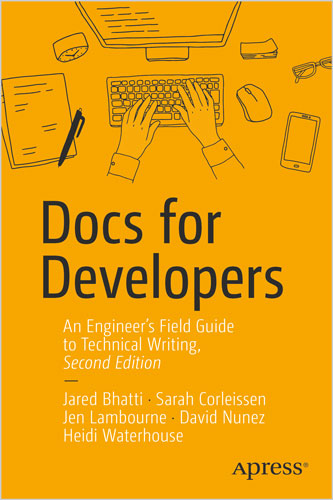
An Engineer’s Field Guide to Technical Writing
Jared Bhatti, Zachary Sarah Corleissen, Jen Lambourne, David Nunez, Heidi Waterhouse
#Docs
#Software_developer
#API
#READMEs
🛠️ هنر مستندسازی رو برای هر مرحله از چرخه عمر توسعه نرمافزار یاد بگیر؛ از فهم نیازهای کاربرها گرفته تا انتشار، اندازهگیری و نگهداری مستندات مفید برای دولوپرها.
📌 پروژههایی که خوب مستندسازی شدهاند، هم برای دولوپرهای داخل پروژه زمان ذخیره میکنن، هم برای کاربرهای نرمافزار. پروژههایی که مستندات کافی ندارن، از بهرهوری پایین دولوپرها، مشکل در اسکیل شدن پروژه، پذیرش ضعیف توسط کاربر و دسترسپذیری بد آسیب میبینن. خلاصهاش اینه: مستندات بد، پروژهها رو میکشه. این ویرایش جدید کاملاً بهروزرسانی و ویرایش شده تا نیازهای امروز دولوپرها و فنینویسها رو در نظر بگیره؛ با محتوای تازه درباره AI، اتوماسیون و LLMها.
📘 کتاب Docs for Developers فرایند ساخت مستندات عالی برای دولوپرها رو از حالت پیچیده و مبهم درمیاره؛ با دنبال کردن یک تیم توسعه نرمافزار که دارن روی لانچ یک محصول جدید کار میکنن. در هر قدم مسیر، از طریق مثالها، تمپلیتها و اصلها یاد میگیری چطور مستندات رو بسازی، اندازهگیری کنی و نگه داری؛ ابزارهایی که میتونی با نیازهای سازمان خودت تطبیق بدی.
🎯 چیزهایی که یاد میگیری
🧭 Friction Log بسازی و User Research انجام بدی تا ناراحتیها و گیرهای کاربرها رو بهتر بفهمی
✍️ انواع مختلف مستندات رو تحقیق، Draft و Write کنی؛ از READMEها و مستندات API گرفته تا Tutorialها، محتوای مفهومی و Release Noteها
🚀 مستندات رو همزمان با ریلیزهای منظم کد منتشر و نگهداری کنی
📊 موفقیت محتوایی رو که میسازی با Analytics و بازخورد کاربرها اندازهگیری کنی
🗂️ مجموعههای بزرگتر مستندات رو طوری سازماندهی کنی که کاربرها اطلاعات درست رو در زمان درست پیدا کنن
🤖 بفهمی کجا باید AI رو وارد ورکفلو مستندسازی کنی و کجا نباید این کار رو انجام بدی
👤 این کتاب برای چه کسانیه؟
👨💻 برای دولوپرهایی که باید کنار کد، مستندات هم بسازن؛ همینطور برای فنینویسها، مدیران محصول، مدیران کامیونیتی، Developer Advocateها و نقشهای فنی دیگهای که مستندات تولید میکنن یا در ساختش مشارکت دارن.
💬 «این کتاب مثل Strunk & White برای نوشتن مستندات فنیه.»
—تام جانسون، Senior Technical Writer در Google
💬 «در زمانی که AI داره روش پیدا کردن و مصرف اطلاعات توسط آدمها رو تغییر میده، فهم کاربرها و نوشتن مستنداتی که واقعاً به دردشون بخوره حیاتی شده؛ و Docs for Developers کل این فرایند رو برای هر تیمی قابلدسترسی میکنه.»
—تال گلاک، Developer Advocate در GitBook و همنویسنده گزارش State of Docs
📖 فهرست مطالب
فصل ۱. شناخت مخاطب
فصل ۲. برنامهریزی مستندات
فصل ۳. Draft کردن مستندات
فصل ۴. ویرایش مستندات
فصل ۵. یکپارچهسازی نمونهکدها
فصل ۶. اضافه کردن محتوای بصری
فصل ۷. انتشار مستندات
فصل ۸. جمعآوری و یکپارچهسازی بازخورد
فصل ۹. اندازهگیری کیفیت مستندات
فصل ۱۰. سازماندهی مستندات
فصل ۱۱. نگهداری مستندات
پیوست A. چه زمانی باید یک متخصص استخدام کنی
پیوست B. مستندسازی AI
پیوست C. منابع تکمیلی
👤 درباره نویسندگان
✍️ جرد بهاتی Lead Technical Writer برای تیم مهندسی Waymo است. قبل از آن، همبنیانگذار تیم مستندات Google Cloud بود. او روی پروژههای مختلفی در Google کار کرده؛ از جمله Kubernetes، App Engine، Adsense، دیتاسنترهای Google و تلاشهای Google برای پایداری زیستمحیطی. او عاشق آموزش نوشتنه و چندین نویسنده جونیور در صنعت رو منتور میکنه.
✍️ سارا کورلیسن بهعنوان Senior Technical Writer در سازمانهای مختلفی کار کرده که روی Cloud Native و Open Source تمرکز داشتن؛ از جمله Isovalent، Linux Foundation، Stripe و GitHub. سارا از سال ۲۰۱۷ تا ۲۰۲۱ همرئیس مستندات Kubernetes بود. او از سخنرانی در کنفرانسها لذت میبره و عاشق منتور کردن نویسندهها و سخنرانها با هر سطح توانایی و هر پیشزمینهایه.
✍️ جن لمبورن دیسیپلین فنینویسی و مدیریت دانش رو در Monzo Bank رهبری میکنه. قبل از ورود به Fintech، بهعنوان Head of Technical Writing در Government Digital Service (GDS)، یک کامیونیتی از مستندسازها رو در سراسر دولت بریتانیا رهبری میکرد. او بعد از حرکت از دولت به فایننس، متوجه شده که به ساخت محتوای فراگیر و کاربرمحور در صنعتهایی جذب میشه که معمولاً برای کاربرها چندان دوستانه نیستن. او دوست داره با ابزارهای دولوپرها مستندات رو مدیریت کنه، فرایند نوشتن رو برای مهندسها شفافتر کنه، نویسندههای جونیور رو منتور کنه و تجربههای خودش در مستندسازی رو در کنفرانسها ارائه بده.
✍️ دیوید نونز همبنیانگذار Falconer است؛ یک استارتاپ AI برای ساخت، نگهداری و پیدا کردن دانش سازمانی. قبل از آن، سازمان فنینویسی Stripe رو رهبری میکرد؛ جایی که تیم مستندات داخلی رو بنیانگذاری کرد و برای مجله Increment نوشت. او همینطور سازمان فنینویسی Uber رو بنیانگذاری و رهبری کرد و در Salesforce هم نقش رهبری مستندات داشت.
✍️ هایدی واترهاوس چند دهه در Microsoft، Dell Software و تعداد زیادی استارتاپ گذرانده و یاد گرفته چطور با دولوپرها و برای دولوپرها ارتباط برقرار کنه. او همیشه با دیدن اینکه ارتباط فنی در همه نقشها جهانی و مشترکه، دلگرم میشه. هایدی همینطور همنویسنده کتاب Progressive Delivery: Build the Right Thing for the Right People at the Right Time است.
Learn the craft of documentation for each step in the software development lifecycle, from understanding your users’ needs to publishing, measuring, and maintaining useful developer documentation.
Well-documented projects save time for both developers on the project and users of the software. Projects without adequate documentation suffer from poor developer productivity, project scalability, user adoption, and accessibility. In short: bad documentation kills projects. This new edition has been fully updated and edited taking into account the needs for developers and tech writers today, with new content relating to AI, automation and LLMs.
Docs for Developers demystifies the process of creating great developer documentation, following a team of software developers as they work to launch a new product. At each step along the way, you learn through examples, templates, and principles how to create, measure, and maintain documentation—tools you can adapt to the needs of your own organization.
You Will Learn to:
This Book Is For
Developers who need to create documentation alongside code, or for technical writers, product managers, community managers, developer advocates, and other technical roles who create and contribute to documentation.
‘This book is like Strunk & White for writing tech docs’
—Tom Johnson, Senior Technical Writer, Google
‘As AI reshapes how people find and consume information, understanding your users and writing docs that serve them is critical – and Docs for Developers makes that entire process accessible to any team.’
—Tal Gluck, Developer Advocate, GitBook and co-author, State of Docs report
Table of Contents
Chapter 1: Understanding Your Audience
Chapter 2: Planning Your Documentation
Chapter 3: Drafting Documentation
Chapter 4: Editing Documentation
Chapter 5: Integrating Code Samples
Chapter 6: Adding Visual Content
Chapter 7: Publishing Documentation
Chapter 8: Gathering and Integrating Feedback
Chapter 9: Measuring Documentation Quality
Chapter 10: Organizing Documentation
Chapter 11: Maintaining Documentation
Appendix A: When to Hire an Expert
Appendix B: AI Documentation
Appendix C: Additional Resources
Jared Bhatti is Lead Technical Writer for Waymo engineering. Before that, he was the co-founder of Google’s Cloud documentation team. He’s worked on a variety of projects at Google, including Kubernetes, App Engine, Adsense, Google’s data centers, and Google’s environmental sustainability efforts. He loves teaching writing and mentors several junior writers in the industry.
Sarah Corleissen has worked as a Senior Technical Writer in a variety of organizations focused on cloud native and open source work, including Isovalent, the Linux Foundation, Stripe, and Github. Sarah served as co-chair for Kubernetes documentation from 2017 until 2021. She enjoys speaking at conferences and loves to mentor writers and speakers of all abilities and backgrounds.
Jen Lambourne leads the technical writing and knowledge management discipline at Monzo Bank. Before her foray into fintech, she led a community of documentarians across the UK government as Head of Technical Writing at the Government Digital Service (GDS). Having moved from government to finance, she recognizes she’s drawn to creating inclusive and user-centred content in traditionally unfriendly industries. She likes using developer tools to manage docs, demystifying the writing process for engineers, mentoring junior writers, and presenting her adventures in documentation at conferences.
David Nunez is the Co-Founder of Falconer, an AI startup that for creating, maintaining, and finding institutional knowledge. Before that, he led the technical writing organization at Stripe, where he founded the internal documentation team and wrote for Increment magazine. He also founded and led the technical writing organization at Uber and held a documentation leadership role at Salesforce.
Heidi Waterhouse spent a couple decades at Microsoft, Dell Software, and many, many startups learning to communicate with and for developers. She’s constantly reassured to find that technical communication is universal across all roles. She is also the co-author of Progressive Delivery: Build the Right Thing for the Right People at the Right Time.