ثبت نام / ورود
0
ثبت نام / ورود
0
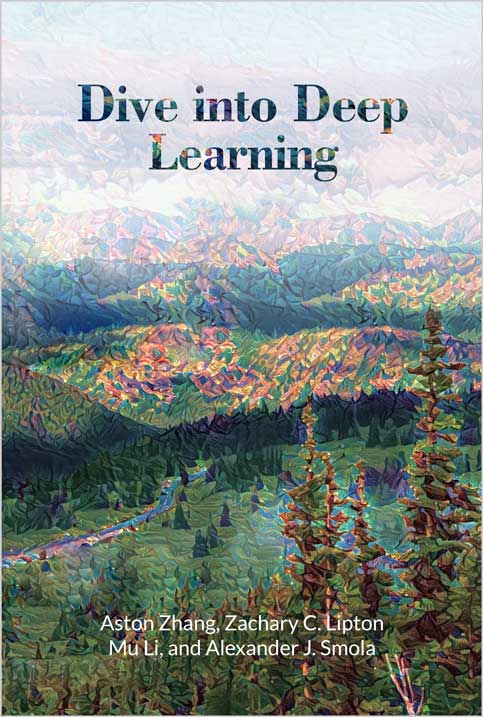
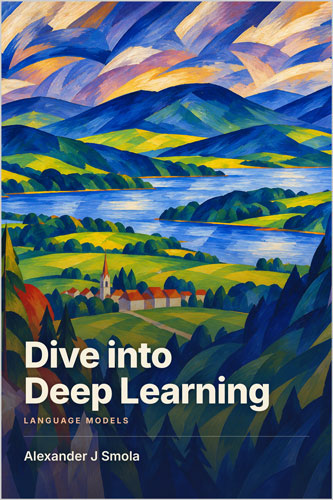
Dive into Deep Learning, version 2026.11.26.
Alexander J Smola, Rasool Fakoor
#Deep_Learning
#LLMs
#BM25
#RAG
🤖 با مدلهای زبانی بزرگ مدرن (LLM) از طریق پیادهسازیهای عملی با PyTorch، ارزیابی دقیق، تفسیرپذیری مکانیکی (Mechanistic Interpretability)، تولید تقویتشده با بازیابی (RAG) و آمادهسازی دادهها در مقیاس بزرگ آشنا بشید.
📘 کتاب Dive into Deep Learning: Language Models (ورود به دنیای یادگیری عمیق؛ مدلهای زبانی) با تکیه بر مفاهیم پایه و پیشرفتهٔ یادگیری عمیق، فناوریهای پشت مدلهای زبانی بزرگ مدرن (LLM) رو بررسی میکنه. کتاب با ترکیب توضیحات ریاضی، برنامهنویسی عملی و تحلیلهای تجربی، بهجای اینکه مدلهای زبانی رو بهعنوان سیستمهای جعبهسیاه (Black Box) در نظر بگیره، روی درک نحوهٔ عملکرد، اندازهگیری و ارزیابی اونها تمرکز داره.
💻 خواننده ابتدا کار با مدلهای زبانی ازپیشآموزشدیده (Pretrained Language Models) رو از طریق Hugging Face شروع میکنه و با پیکربندی مدلها، Tokenizerها، Checkpointها، نیازمندیهای حافظه و عملکرد استنتاج (Inference) آشنا میشه. مثالهای کاربردی با استفاده از مدلهای Qwen و Gemma نشون میدن مدلهای زبانی مدرن چطور کار میکنن و چطور میشه قابلیتهای اونها رو ارزیابی کرد.
🧠 کتاب موضوعاتی مثل Prompting، یادگیری با نمونههای محدود (Few-Shot Learning)، یادگیری درونزمینهای (In-Context Learning)، طراحی Benchmark، ارزیابی با استفاده از LLM بهعنوان داور (LLM-as-a-Judge) و قابلیت اطمینان آماری رو بررسی میکنه. همچنین خواننده رو با تفسیرپذیری مکانیکی (Mechanistic Interpretability) از طریق تکنیکهای Activation Patching، خودرمزگذارهای تنک (Sparse Autoencoders)، جریانهای باقیمانده (Residual Streams) و هدایت فعالسازیها (Activation Steering) آشنا میکنه.
🔍 در ادامه، خواننده با Embeddingهای کلمات و متن، Encoderهای ازپیشآموزشدیده، یادگیری تقابلی (Contrastive Learning)، جستوجوی معنایی (Semantic Search)، بازیابی متراکم و تنک (Dense and Sparse Retrieval)، BM25، رتبهبندی مجدد (Reranking) و تولید تقویتشده با بازیابی (RAG) آشنا میشه.
📊 بخش ویژهای از کتاب به دادههای آموزشی مدلهای زبانی اختصاص داره و موضوعاتی مثل استخراج اسناد وب، فیلتر کردن دادهها بر اساس کیفیت، حذف دادههای تکراری (Deduplication)، پاکسازی دادههای آموزشی از محتوای Benchmarkها (Benchmark Decontamination)، ترکیب مجموعهدادهها (Data Mixtures)، تولید دادههای مصنوعی (Synthetic Data) و توکنسازی در مقیاس بزرگ رو پوشش میده.
🎯 چیزهایی که خواننده یاد میگیره
💻 بارگذاری، پیکربندی و ارزیابی مدلهای زبانی ازپیشآموزشدیده با استفاده از PyTorch و Hugging Face
🏗️ کار با معماری مدلهای Qwen و Gemma
🧠 درک Few-Shot Prompting و یادگیری درونزمینهای (In-Context Learning)
📊 طراحی ارزیابیهای قابلاعتماد و بازتولیدپذیر برای LLMها
🔬 بررسی رفتار مدلها با استفاده از تفسیرپذیری مکانیکی (Mechanistic Interpretability)
⚙️ استفاده از تکنیکهای Activation Patching، Sparse Autoencoders و Activation Steering
🔤 توسعهٔ Embeddingهای متنی با استفاده از یادگیری تقابلی (Contrastive Learning)
🔍 پیادهسازی جستوجوی معنایی، BM25، بازیابی متراکم (Dense Retrieval) و Reranking
🔗 ساخت و ارزیابی Pipelineهای تولید تقویتشده با بازیابی (RAG)
📈 اندازهگیری دقت، توان عملیاتی (Throughput)، تأخیر (Latency) و هزینهٔ مدلهای مبتنی بر API
🗃️ آمادهسازی مجموعهدادههای آموزشی باکیفیت با استفاده از تکنیکهای فیلتر کردن و حذف دادههای تکراری
🧩 بررسی دادههای مصنوعی، ترکیب مجموعهدادهها و توکنسازی در مقیاس بزرگ
👥 این کتاب برای چه کسانیه؟
💻 این کتاب برای مهندسان هوش مصنوعی، پژوهشگران یادگیری ماشین، دانشمندان داده، متخصصان پردازش زبان طبیعی (NLP)، توسعهدهندههای نرمافزار و دانشجویان علوم کامپیوتر طراحی شده که دانش کاربردی مناسبی در زمینهٔ یادگیری عمیق دارن و میخوان درک عمیقتری از مدلهای زبانی بزرگ و کاربردهای عملی اونها به دست بیارن.
📖 فهرست مطالب
۱۸. کار با مدلهای زبانی ازپیشآموزشدیده (Pretrained Language Models)
۱۹. Encoderها، Embeddingها و بازیابی اطلاعات
۲۰. دادههای موردنیاز مدلهای زبانی
۲۱. پیشآموزش (Pretraining)
۲۲. سختافزار موردنیاز برای آموزش و استنتاج
۲۳. پردازش موازی فراتر از یک Node
۲۴. تنظیم دقیق مدلها (Fine-Tuning)
۲۵. بهینهسازی ترجیحات (Preference Optimization) و یادگیری تقویتی
۲۶. تقطیر دانش (Distillation) و استدلال (Reasoning)
۲۷. Agentها و استفاده از ابزارها (Tool Use)
۲۸. فشردهسازی مدلها (Model Compression)
۲۹. استنتاج کارآمد (Efficient Inference)
۳۰. سیستمهای ارائهٔ سرویس مدل (Serving Systems)
۳۱. معماریهای پیشرفته
👤 درباره نویسنده
🧠 الکساندر جی. اسمولا (Alexander J. Smola) پژوهشگر، مدرس و کارآفرین شناختهشدهای در سطح بینالمللیه که در زمینهٔ یادگیری ماشین، یادگیری عمیق و هوش مصنوعی تخصص داره. او مدرک کارشناسی ارشد فیزیک رو از دانشگاه فنی مونیخ (Technical University of Munich) و مدرک دکتری علوم کامپیوتر رو از دانشگاه فنی برلین (Technical University of Berlin) دریافت کرده.
💻 او بهعنوان استاد در دانشگاه کارنگی ملون (Carnegie Mellon University) فعالیت داشته و در Yahoo Research، Google Research و Amazon Web Services (AWS) سمتهای پژوهشی و مدیریتی مختلفی رو بر عهده داشته. او در سال ۲۰۲۳ شرکت Boson AI رو با همکاری دیگران تأسیس کرد؛ شرکتی که روی توسعهٔ سیستمهای پیشرفتهٔ هوش مصنوعی تمرکز داره.
🔬 حوزههای پژوهشی موردعلاقهٔ او شامل نظریهٔ یادگیری آماری (Statistical Learning Theory)، روشهای کرنل (Kernel Methods)، یادگیری ماشین مقیاسپذیر، محاسبات توزیعشده (Distributed Computing) و یادگیری عمیق میشه. او مقالات علمی متعدد و کتابهای تأثیرگذاری، از جمله Learning with Kernels و Dive into Deep Learning رو نوشته.
Explore modern large language models through practical PyTorch implementations, rigorous evaluation, mechanistic interpretability, retrieval-augmented generation, and large-scale data preparation.
Dive into Deep Learning: Language Models builds upon the foundational and advanced concepts of deep learning to explore the technologies behind modern large language models (LLMs). Combining mathematical explanations, practical programming, and experimental analysis, the book emphasizes understanding, measuring, and evaluating language models rather than treating them as black-box systems.
Readers begin by working with pretrained language models through Hugging Face, exploring model configurations, tokenizers, checkpoints, memory requirements, and inference performance. Practical examples featuring Qwen and Gemma demonstrate how modern language models operate and how their capabilities can be evaluated.
The book examines prompting, few-shot learning, in-context learning, benchmark design, LLM-as-a-judge evaluation, and statistical reliability. It also introduces mechanistic interpretability through activation patching, sparse autoencoders, residual streams, and activation steering.
Readers then explore word and text embeddings, pretrained encoders, contrastive learning, semantic search, dense and sparse retrieval, BM25, reranking, and retrieval-augmented generation (RAG).
A dedicated section on language model training data covers web document extraction, quality filtering, deduplication, benchmark decontamination, data mixtures, synthetic data generation, and large-scale tokenization.
What You Will Learn
Who This Book Is For
This book is designed for AI engineers, machine learning researchers, data scientists, NLP specialists, software developers, and computer science students who have a working knowledge of deep learning and want to deepen their understanding of large language models and their practical applications.
18. Working with Pretrained Language Models
19. Encoders, Embeddings and Retrieval
20. Data for Language Models
21. Pretraining
22. Hardware for Training and Inference
23. Parallelism Beyond One Node
24. Fine‑Tuning
25. Preference Optimization and Reinforcement Learning
26. Distillation and Reasoning
27. Agents and Tool Use
28. Model Compression
29. Efficient Inference
30. Serving Systems
31. Advanced Architectures
About the Author
Alexander J. Smola is an internationally recognized researcher, educator, and entrepreneur specializing in machine learning, deep learning, and artificial intelligence. He earned his master's degree in physics from the Technical University of Munich and his Ph.D. in computer science from the Technical University of Berlin.
He served as a professor at Carnegie Mellon University and held research and leadership positions at Yahoo Research, Google Research, and Amazon Web Services (AWS). In 2023, he co-founded Boson AI, a company focused on developing advanced artificial intelligence systems.
His research interests include statistical learning theory, kernel methods, scalable machine learning, distributed computing, and deep learning. He has authored numerous scientific publications and influential books, including Learning with Kernels and Dive into Deep Learning.