ثبت نام / ورود
0
ثبت نام / ورود
0
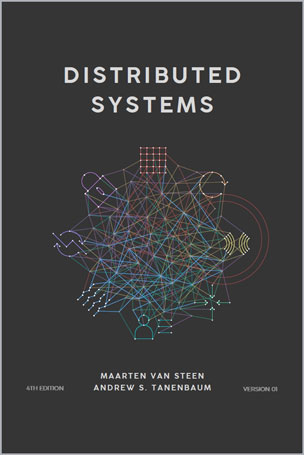
Maarten van Steen, Andrew S. Tanenbaum
#Distributed_Systems
#security
#Python_code
#Python3
📘 این نسخه چهارم کتاب Distributed Systems است. در این ویرایش، ساختار کلی نسخه سوم تا حد زیادی حفظ شده؛ از جمله آوردن مثالهایی از بخشهایی از سیستمهای توزیعشده واقعی، درست نزدیک همان جایی که اصلهای کلی توضیح داده میشن. برای مثال، مطالبی درباره سیستمهای Blockchain اضافه شده و کامپوننتهای مختلف آنها در سراسر کتاب بررسی میشن. مثل قبل، برای بعضی مطالب از بخشهای کادربندیشده ویژه استفاده شده؛ بخشهایی که در خواندن اول میشه ازشون عبور کرد.
🛠️ متن کتاب بهطور کامل بازبینی، اصلاح و بهروز شده. بهطور مشخص، همه کدهای Python به Python 3 آپدیت شدهاند و همزمان، پکیج channel هم تقریباً بهطور کامل بازنویسی و سادهسازی شده.
📎 مطالب تکمیلی، از جمله مثالهای کدنویسی، شکلها و اسلایدها، در سایت www.distributed-systems.net در دسترسن.
📖 فهرست مطالب
فصل ۱. مقدمه
فصل ۲. معماریها
فصل ۳. فرایندها
فصل ۴. ارتباطات
فصل ۵. هماهنگی
فصل ۶. نامگذاری
فصل ۷. Consistency و Replication
فصل ۸. Fault Tolerance
فصل ۹. امنیت
👤 درباره نویسندگان
👨🔬 مارتن فناستین یک دانشمند کامپیوتره که کارش روی سیستمهای کامپیوتری شبکهای متمرکزه؛ مخصوصاً سیستمهای Wireless و سیستمهای Distributed. او Applied Mathematics رو در University of Twente خوانده و دکترای Computer Science خودش رو از Leiden University گرفته. در طول مسیر حرفهایاش، در جایگاههای آکادمیک و پژوهشی مختلفی در TNO، Erasmus University Rotterdam، Vrije Universiteit Amsterdam و University of Twente فعالیت داشته و در پژوهش و آموزش مربوط به سیستمهای محاسباتی توزیعشده در مقیاس بزرگ نقش جدی داشته.
👨🏫 اندرو اس. تننبام استاد بازنشسته Computer Science در Vrije Universiteit Amsterdam و یکی از اثرگذارترین چهرهها در آموزش علوم کامپیوتره. او بهخاطر کارهایش در سیستمعاملها، شبکههای کامپیوتری و سیستمهای توزیعشده شناخته میشه؛ همینطور بهخاطر ساخت MINIX، سیستمعامل آموزشی شبیه Unix. تننبام چندین کتاب مهم علوم کامپیوتر رو نوشته یا همنویسی کرده و جایزه ACM Software System Award رو برای MINIX دریافت کرده؛ جایزهای که اثر ماندگار MINIX روی آموزش سیستمعاملها و تأثیرش روی سیستمهایی مثل Linux رو به رسمیت میشناسه.
🤝 فناستین و تننبام با هم دههها تجربه پژوهش، تدریس و کار با سیستمها رو وارد کتاب Distributed Systems کردهاند. همکاری آنها دانش عمیق از محاسبات شبکهای و توزیعشده رو با یک سبک آموزشی روشن ترکیب میکنه و این کتاب رو به یک پایه قوی برای دانشجوها، پژوهشگرها و مهندسهایی تبدیل میکنه که میخوان بفهمن سیستمهای توزیعشده مدرن چطور طراحی و ساخته میشن.
This is the fourth edition of “Distributed Systems.” We have stayed close to the setup of the third edition, including examples of (part of) existing distributed systems close to where general principles are discussed. For example, we have included material on blockchain systems, and discuss their various components throughout the book. We have, again, used special boxed sections for material that can be skipped at first reading.
The text has been thoroughly reviewed, revised, and updated. In particular, all the Python code has been updated to Python3, while at the same time the channel package has been almost completely revised and simplified.
Additional material, including coding examples, figures, and slides, are available at www.distributed-systems.net.
Table of Contents
Chapter 1. Introduction
Chapter 2. Architectures
Chapter 3. Processes
Chapter 4. Communication
Chapter 5. Coordination
Chapter 6. Naming
Chapter 7. Consistency and Replication
Chapter 8. Fault Tolerance
Chapter 9. Security
About the Author
Maarten van Steen is a computer scientist whose work focuses on networked computer systems, especially wireless systems and distributed systems. He studied Applied Mathematics at the University of Twente and earned his PhD in Computer Science from Leiden University. Over his career, he has held academic and research positions at TNO, Erasmus University Rotterdam, Vrije Universiteit Amsterdam, and the University of Twente, where he has been closely involved in research and education around large-scale distributed computing systems.
Andrew S. Tanenbaum is Professor Emeritus of Computer Science at Vrije Universiteit Amsterdam and one of the most influential figures in computer science education. He is widely known for his work in operating systems, computer networks, and distributed systems, as well as for creating MINIX, the educational Unix-like operating system. Tanenbaum has authored and coauthored several major computer science textbooks and received the ACM Software System Award for MINIX, recognizing its lasting impact on operating-systems education and its influence on systems such as Linux.
Together, van Steen and Tanenbaum bring decades of research, teaching, and systems experience to Distributed Systems. Their collaboration combines deep knowledge of networked and distributed computing with a clear educational style, making the book a strong foundation for students, researchers, and engineers who want to understand how modern distributed systems are designed and built.