ثبت نام / ورود
0
ثبت نام / ورود
0
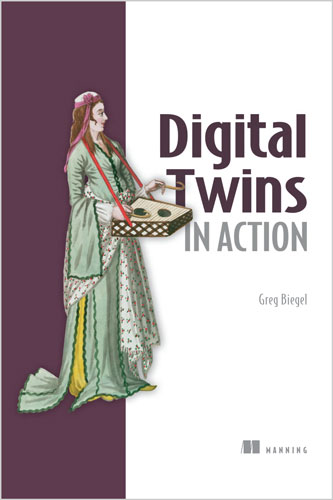
Greg Biegel
#Digital_Twin
#WebGL
#CesiumJS
#MQTT
#OCR
#Grafana
#AutoGluon
💭 «این کتاب تئوری رو ملموس و ابزارها رو قابلدسترس میکنه؛ از یک Sensor ساده تا سیستمی در مقیاس یک شهر.»
— آنتونی تاونسند، Cornell University
🌐 یک Digital Twin نسخهای مجازی از یک سیستم فیزیکیه که به مهندسهای عملیات اجازه میده نگهداری پیشبینانه انجام بدن، شبیهسازیهای بدون ریسک اجرا کنن و تصمیمهای هوشمند و دادهمحور بگیرن.
📘 کتاب Digital Twins in Action بهت یاد میده چطور روشهای توسعه نرمافزار، Data Science، رباتیک و طراحی بصری رو با هم ترکیب کنی و یک پلتفرم یکپارچه و قدرتمند بسازی. کتاب هم از ابزارهای استاندارد Open Source و هم از فریمورکهای تجاری استفاده میکنه و با رویکردی کاملا عملی، موضوعی رو روشن میکنه که اغلب زیر انبوهی از اصطلاحات بازاریابی و تعریفهای مبهم پنهان شده.
🛠️ این کتاب عملی که برای دولوپرهای نرمافزار و مهندسهای اتوماسیون نوشته شده، قدمبهقدم همراهت میشه تا یک دوقلوی دیجیتال کوچک بسازی که بتونی اون رو در دفتر یا محیط خونه اجرا کنی.
🧠 گرگ بیگل، نویسنده و متخصص باتجربه صنعت، مدلهای ذهنی مهمی مثل زنجیره نگاشت Opportunity-to-Data و مفهوم Minimum Viable Digital Representation یا MVDR رو معرفی میکنه تا مطمئن بشی طراحی تو در خدمت هدفهای مشخص و واقعی قرار داره.
📡 در طول ۱۰ فصل عمیق، یاد میگیری منابع اطلاعاتی متنوع رو اولویتبندی کنی، اسناد قدیمی رو با OCR استخراج کنی، شبکههای Sensor فیزیکی رو از طریق LoRaWAN یا Wi-Fi راهاندازی کنی و Streamهای بلادرنگ رو با سلسلهمراتب استاندارد Topic در MQTT سازمان بدی.
💭 سانجی باسو، معاون Gen AI و زیرساخت GPU در Oracle، درباره کتاب میگه: «Digital Twins in Action تو رو از یک Sensor دمای پنجدلاری به یک AI Agent میرسونه که بهصورت خودمختار تصمیم میگیره.»
🖼️ چون شبیهسازیهای بصری دقیق بخش مهمی از یک Digital Twin هستن، کتاب سراغ تکنیکهای مدلسازی و ویژوالسازی هم میره تا سیستمهای مجازی هم برای انسانها و هم برای ماشینها قابلفهم باشن.
🗄️ روی یکپارچهسازی دادهها در دیتابیسهای رابطهای، فایلهای Parquet و جدولهای Delta مسلط میشی. بعد با استفاده از Ontologyها و Knowledge Graphها در Memgraph، یک مدل معنایی از دنیای واقعی میسازی، داشبوردهای دوبعدی Responsive رو با Grafana پیادهسازی میکنی و مدلهای Mesh سهبعدی رو با CesiumJS و WebGL روی یک کره دیجیتال تعاملی در موقعیت جغرافیایی درست قرار میدی.
🤖 دوقلوهای دیجیتال مدرن به تحلیل داده پیشرفته، Inference و Simulation وابستهاند. در کتاب، Classifierهای تصویری نظارتشده میسازی تا مثل Sensor مجازی عمل کنن، از Isolation Forestهای بدون ناظر برای شناسایی ناهنجاری استفاده میکنی و با AutoGluon پیشبینی سری زمانی انجام میدی.
⚙️ همینطور شبیهسازیهای پیوسته و رویدادگسسته رو بررسی میکنی و یاد میگیری AI Agentهای خودمختاری بسازی که استدلال کنن، برنامه بریزن و رفتار سیستمهای فیزیکی رو بهینه کنن.
🔐 در پایان هم یاد میگیری مرز بین فضای سایبری و فیزیکی رو امن کنی تا بتونی یک Digital Twin مقاوم، قابلممیزی و مقیاسپذیر رو با اطمینان دیپلوی، مانیتور و مدیریت کنی.
📦 داخل کتاب چه چیزهایی هست
🧠 مدلسازی محیطهای فیزیکی با Knowledge Graphهای معنایی و Ontologyها
📡 راهاندازی شبکههای Hybrid IoT Sensor و Stream کردن دادههای بلادرنگ
🤖 یکپارچهسازی یادگیری ماشین پیشبینانه، شبیهسازیهای فیزیکی و AI Agentها
📈 مدل پنجسطحی بلوغ Digital Twin
👤 این کتاب برای چه کسانیه؟
💻 این کتاب برای دولوپرهای نرمافزار، مهندسهای داده و معمارهایی نوشته شده که با مبانی یادگیری ماشین آشنا هستن. برای استفاده از کتاب، به تجربه قبلی در طراحی بصری یا اتوماسیون صنعتی نیاز نداری.
📖 فهرست مطالب
فصل ۱. پیوند دادن دنیای فیزیکی و دیجیتال
فصل ۲. نگاشت سیستمهای فیزیکی به بازنماییهای دیجیتال
فصل ۳. حس کردن دنیای واقعی
فصل ۴. یکپارچهسازی و مدیریت داده
فصل ۵. مدلسازی واقعیت
فصل ۶. ویژوالسازی دوبعدی و استخراج بینش
فصل ۷. بستر مکانی و بینش سهبعدی
فصل ۸. یکپارچهسازی Inference و هوشمندی
فصل ۹. پیشبینی نتیجهها با شبیهسازی
فصل ۱۰. دوقلوهای دیجیتال در پروداکشن
پیوست A. ساخت شبکه LoRaWAN
پیوست B. ساخت یک Sensor سفارشی IoT
پیوست C. ثبت مدل سهبعدی با Photogrammetry
👤 درباره نویسنده
👨💻 گرگ بیگل بیش از ۲۰ ساله که برای سازمانهای بزرگ، بازنماییهای دیجیتال از سیستمهای فیزیکی طراحی و پیادهسازی میکنه.
🏭 بخشی از تجربه حرفهای او شامل شش سال توسعه یک پلتفرم پیشرفته Digital Twin صنعتی از صفر برای یکی از تولیدکنندههای بزرگ انرژی در استرالیاست.
🎓 او مدرک علوم کامپیوتر خودش رو از Rhodes University در آفریقای جنوبی و Trinity College Dublin دریافت کرده.
"Makes the theory tangible and the tools accessible, from a single sensor to a city-scale system.”
—Anthony Townsend, Cornell University
A “digital twin” is a virtual replica of a physical system that allows operations engineers to perform predictive maintenance, run risk-free simulations, and make smart, data-driven decisions. Digital Twins in Action teaches you how to combine methods from software development, data science, robotics, and visual design to create a powerful integrated platform. It uses both standard open sources tools and commercial frameworks. Grounded firmly in practical reality, it clarifies a topic clouded by marketing speak and vague definitions.
This hands-on book for software developers and automation engineers guides you step-by-step as you build a small-scale twin you can run in your office or home environment. Author and industry veteran Greg Biegel introduces essential mental models like the “Opportunity-to-Data” Mapping Chain and the Minimum Viable Digital Representation (MVDR) to ensure your design serves concrete goals. Across 10 in-depth chapters, you will learn to prioritize diverse information sources, extract legacy documents using OCR, deploy physical sensor networks over LoRaWAN or Wi-Fi, and organize real-time streams with standardized MQTT topic hierarchies. Reviewer Sanjay Basu, PhD, VP of Gen AI and GPU Infrastructure at Oracle remarked, “Digital Twins in Action takes you from a five-dollar temperature sensor to an AI agent making autonomous decisions!”
Because accurate visual simulations are an integral part of a digital twin, this book dives into modeling and visualization techniques that make virtual systems accessible to both humans and machines. You’ll master data integration across relational databases, Parquet files, and Delta tables. Then, you’ll construct a semantic model of reality using ontologies and knowledge graphs in Memgraph, render responsive 2D dashboards using Grafana, and locate 3D mesh models geospatially on an interactive digital globe using CesiumJS and WebGL.
Modern digital twins rely on advanced data analysis, integrating inference and simulation. You will build supervised image classifiers to act as virtual sensors, use unsupervised Isolation Forests for anomaly detection, and apply AutoGluon for time-series forecasting. You’ll also explore continuous and discrete event simulations and learn how to construct autonomous AI agents that reason, plan, and optimize physical behaviors. Finally, you will learn to secure the cyber-physical boundary so you can confidently deploy, monitor, and scale a resilient, auditable digital twin.
What's inside
• Model physical environments using semantic knowledge graphs and ontologies
• How to deploy hybrid IoT sensor networks and stream real-time data
• Integrate predictive machine learning, physics simulations, and AI agents
• The five-level digital twin maturity model
About the reader
For software developers, data engineers, and architects who know the basics of machine learning. No prior experience in visual design or industrial automation required.
About the author
Greg Biegel has designed and built digital twins in production for over 20 years. His extensive industry experience includes six years spent developing a state-of-the-art industrial digital twin platform from the ground up for a leading Australian energy producer.
Table of Contents
1. Bridging the physical and digital worlds
2. Mapping physical systems to digital representations
3. Sensing the real world
4. Data integration and management
5. Modeling reality
6. 2D Visualization and insight
7. Spatial context and 3D insight
8. Integrating inference and intelligence
9. Predicting outcomes with simulation
10. Digital twins in production
A. Building a LoRaWAN network
B. Building a custom IoT sensor
C. Capturing a 3D model using photogrammetry
About the Author
Greg Biegel has been building digital representations of physical systems for large organizations for over 20 years, including 6 years creating a state of the art industrial digital twin platform for a leading Australian energy producer. He holds Computer Science degrees from Rhodes University, South Africa and Trinity College, Dublin.