ثبت نام / ورود
0
ثبت نام / ورود
0
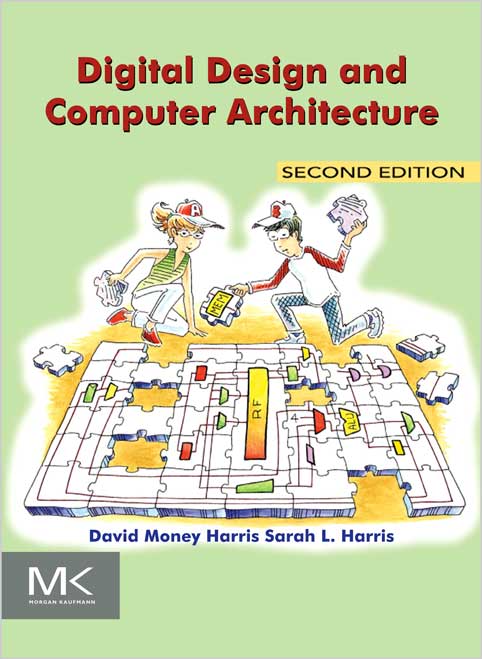
Sarah Harris, David Harris
#Computer_Architecture
#Digital_Design
#ARM
#CAD
#VHDL
#Bluetooth
#radio
#LCD
#HDL
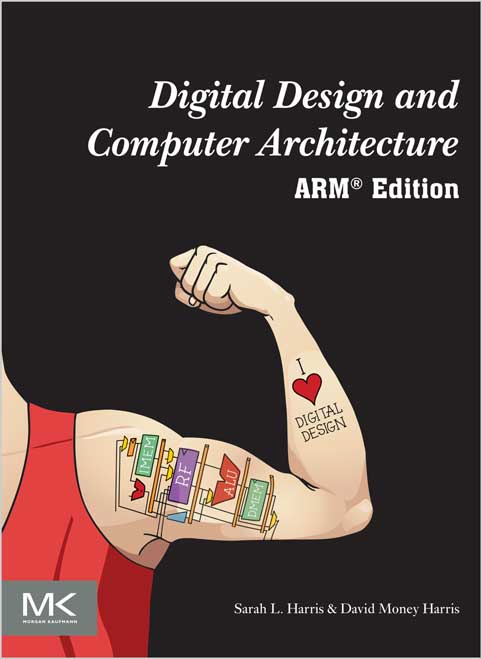
💻 طراحی دیجیتال و ساخت یک ARM Microprocessor واقعی
⚙️ کتاب Digital Design and Computer Architecture: ARM Edition آموزش را از Digital Logic Gateها شروع میکنه و قدمبهقدم به طراحی مدارهای Combinational و Sequential و در نهایت ساخت یک ARM Processor واقعی میرسه. باتوجهبه اینکه بیش از ۷۵ درصد جمعیت جهان از محصولاتی مجهز به ARM Processor استفاده میکنن، این معماری نمونهای بهروز و کاربردی برای یادگیری Digital Design و Computer Architecture محسوب میشه.
✨ ویژگیهای کلیدی
🧠 مبانی Digital Logic Design را آموزش میده و مفاهیم Logic را با طراحی یک ARM Microprocessor تثبیت میکنه.
📝 مثالهای SystemVerilog و VHDL را کنار هم قرار میده تا روش استفاده از این دو Hardware Description Language در طراحی Digital Systemها مقایسه بشه.
🧪 مثالهای متعدد کتاب کمک میکنن مفاهیم و تکنیکهای اصلی بهتر درک بشن و برای مدت بیشتری در ذهن باقی بمونن.
🔌 Companion Website شامل فصلی درباره I/O Systemهاست که با مثالهای عملی، استفاده از Raspberry Pi برای ارتباط با LCD، Bluetooth Radio و Motor را آموزش میده.
🌐 وبسایت همراه، Appendixهایی درباره مسائل عملی Digital Design و C Programming و همچنین لینک ابزارهای CAD، Lecture Slideها، Laboratory Projectها و پاسخ تمرینها را ارائه میده.
📘 توضیح کتاب
🔢 کتاب Digital Design and Computer Architecture: ARM Edition رویکردی متفاوت و مدرن به Digital Design داره. مسیر آموزش از Digital Logic Gateها آغاز میشه و بعد به طراحی مدارهای Combinational و Sequential میرسه.
⚙️ هریس و هریس از این Building Blockهای بنیادی بهعنوان پایه بخشهای بعدی استفاده میکنن؛ مسیری که در نهایت به طراحی یک ARM Processor واقعی منتهی میشه. به این ترتیب، مفاهیم پایه مستقیماً در یک پروژه کامل معماری کامپیوتر به کار گرفته میشن.
🌍 بیش از ۷۵ درصد جمعیت جهان از محصولاتی استفاده میکنن که دارای ARM Processor هستن. به همین دلیل، طراحی ARM هم کاربردی جذاب و بهموقع برای Digital Design فراهم میکنه و هم اصول Computer Architecture را در Context یکی از فراگیرترین معماریهای پردازنده آموزش میده.
🖥️ SystemVerilog و VHDL در سراسر کتاب ادغام شدهاند و مثالهای آنها روشها و تکنیکهای CAD-based Circuit Design را نمایش میدن. قرارگرفتن مثالهای این دو HDL در کنار هم، مقایسه نحوه استفاده از آنها در طراحی Digital Systemها را سادهتر میکنه.
🛠️ کتاب رویکردی بهروز و Hands-on داره و با سبک نوشتاری جذاب و طنزآمیز نویسندگان ارائه شده است. مثالهای مختلف نیز برای افزایش درک و ماندگاری مفاهیم و تکنیکهای اصلی در ذهن خواننده طراحی شدهاند.
🎯 بعد از مطالعه کتاب، میتونی Microprocessor خودت را بسازی و درکی Top-to-bottom از نحوه عملکرد آن به دست بیاری. همچنین رابطه میان Digital Logic، Circuit Design، HDLها و ARM Processor Architecture را بهشکل عملی درک میکنی.
🎯 چیزهایی که یاد میگیری
🔢 با مبانی Digital Logic Design و عملکرد Logic Gateها آشنا میشی.
🧩 یاد میگیری مدارهای Combinational و Sequential طراحی کنی.
⚙️ میتونی اجزای اصلی یک ARM Microprocessor را طراحی و در نهایت Microprocessor خودت را بسازی.
📝 یاد میگیری Digital Systemها را با SystemVerilog و VHDL توصیف کنی.
🔍 میتونی تفاوتها و نقاط قوت SystemVerilog و VHDL را با مثالهای Side-by-side مقایسه کنی.
🖥️ با روشها و تکنیکهای CAD-based Circuit Design آشنا میشی.
🔌 یاد میگیری با استفاده از Raspberry Pi با Peripheralهایی مثل LCD، Bluetooth Radio و Motor ارتباط برقرار کنی.
💻 با مسائل عملی Digital Design و مبانی C Programming آشنا میشی.
👤 این کتاب برای چه کسانیه؟
🎓 این کتاب برای دانشجویان و علاقهمندان Digital Design، Computer Architecture و Computer Organization مناسبه که میخوان مسیر یادگیری را از Logic Gateهای پایه تا طراحی واقعی یک ARM Processor دنبال کنن.
🛠️ افرادی که به ARM Architecture، Circuit Design مبتنی بر CAD، SystemVerilog، VHDL، FPGA و Raspberry Pi علاقه دارن، میتونن از مثالها و رویکرد عملی کتاب استفاده کنن.
👨🏫 Companion Website برای مدرسان و دانشجویان نیز منابع تکمیلی مختلفی ارائه میده؛ از جمله فصلی درباره I/O Systemها، Appendixهای Digital Design و C Programming، لینک ابزارهای CAD، Lecture Slideها، Laboratory Projectها و پاسخ تمرینها.
📝 نقد و بررسی
💭 «این کتاب عالی، طیف گستردهای از Digital Design و Computer Architecture و Organization را پوشش میده و در سالهای آینده به کتابی ضروری برای بسیاری از علاقهمندان Digital Design تبدیل خواهد شد.»
Computing
💭 «خواننده را از مبانی Digital Logic تا طراحی واقعی یک ARM Processor پیش میبره.»
👤 درباره نویسندگان
🎓 سارا ال. هریس، Assistant Professor of Engineering در Harvey Mudd College است.
📚 او مدارک Ph.D. و M.S. خود را در رشته Electrical Engineering از Stanford University دریافت کرده است. سارا پیش از ورود به Stanford، مدرک B.S. خود را در رشته Electrical and Computer Engineering از Brigham Young University گرفت.
🏢 او سابقه همکاری با Hewlett-Packard، San Diego Supercomputer Center، Nvidia و Microsoft Research در Beijing را داره.
🧪 فعالیتهای اخیر سارا شامل پژوهش درباره Sketching Interfaceها برای Digital Circuit Design، فعالیت بهعنوان Science Correspondent برای یکی از مجموعههای وابسته به National Public Radio و یادگیری Kite Surfing میشه.
🎸 او به Teaching، کشف و توسعه فناوریهای جدید، Travel، Wind Surfing، Rock Climbing و نواختن Guitar علاقه داره. سارا به چهار زبان صحبت میکنه و مشتاقه در آینده زبانهای بیشتری یاد بگیره.
🏛️ دیوید مانی هریس، Associate Professor of Engineering در Harvey Mudd College است.
🎓 او مدرک Ph.D. خود را در رشته Electrical Engineering از Stanford University و مدرک M.Eng. خود را در Electrical Engineering and Computer Science از MIT دریافت کرده است.
🔬 دیوید پیش از تحصیل در Stanford، در Intel بهعنوان Logic و Circuit Designer روی Processorهای Itanium و Pentium II کار کرد. پس از آن نیز بهعنوان Consultant با Sun Microsystems، Hewlett-Packard، Evans & Sutherland و شرکتهای طراحی دیگه همکاری داشته است.
🏔️ علاقههای اصلی او شامل Teaching، ساخت Chip و گردش در طبیعت میشه. وقتی مشغول کار نیست، معمولاً به Hiking، Mountaineering یا Rock Climbing میپردازه و بهویژه از Hiking همراه با پسرش آبراهام، که در ابتدای پروژه این کتاب متولد شد، لذت میبره.
🏅 دیوید مانی هریس حدود دوازده Patent داره و نویسنده سه Textbook دیگه درباره Chip Design و دو Guidebook درباره کوهستانهای Southern California است.
Digital Design and Computer Architecture: ARM Edition takes a unique and modern approach to digital design. Beginning with digital logic gates and progressing to the design of combinational and sequential circuits, Harris and Harris use these fundamental building blocks as the basis for what follows: the design of an actual ARM processor. With over 75% of the world s population using products with ARM processors, the design of the ARM processor offers an exciting and timely application of digital design while also teaching the fundamentals of computer architecture. SystemVerilog and VHDL are integrated throughout the text in examples illustrating the methods and techniques for CAD-based circuit design. By the end of this book, readers will be able to build their own microprocessor and will have a top-to-bottom understanding of how it works. Harris and Harris have combined an engaging and humorous writing style with an updated and hands-on approach to digital design.
• Covers the fundamentals of digital logic design and reinforces logic concepts through the design of an ARM microprocessor.
• Features side-by-side examples of the two most prominent Hardware Description Languages (HDLs)-SystemVerilog and VHDL-which illustrate and compare the ways each can be used in the design of digital systems.
• Includes examples throughout the text that enhance the reader s understanding and retention of key concepts and techniques.
• The Companion website includes a chapter on I/O systems with practical examples that show how to use the Raspberry Pi computer to communicate with peripheral devices such as LCDs, Bluetooth radios, and motors.
• The Companion website also includes appendices covering practical digital design issues and C programming as well as links to CAD tools, lecture slides, laboratory projects, and solutions to exercises.
Review
"...this excellent book covers a wide spectrum of digital design and computer architecture and organization…a necessary book for many digital design enthusiasts in the years to come." --Computing
Takes the reader from the fundamentals of digital logic to the actual design of an ARM processor
Sarah L. Harris is an Assistant Professor of Engineering at Harvey Mudd College. She received her Ph.D. and M.S. in Electrical Engineering from Stanford University. Before attending Stanford, she received a B.S. in Electrical and Computer Engineering from Brigham Young University. Sarah has also worked with Hewlett-Packard, the San Diego Supercomputer Center, Nvidia, and Microsoft Research in Beijing.Sarah loves teaching, exploring and developing new technologies, traveling, wind surfing, rock climbing, and playing the guitar. Her recent exploits include researching sketching interfaces for digital circuit design, acting as a science correspondent for a National Public Radio affiliate, and learning how to kite surf. She speaks four languages and looks forward to learning more in the near future.David Money Harris is an associate professor of engineering at Harvey Mudd College. He received his Ph.D. in electrical engineering from Stanford University and his M.Eng. in electrical engineering and computer science from MIT. Before attending Stanford, he worked at Intel as a logic and circuit designer on the Itanium and Pentium II processors. Since then, he has consulted at Sun Microsystems, Hewlett-Packard, Evans & Sutherland, and other design companies.David s passions include teaching, building chips, and exploring the outdoors. When he is not at work, he can usually be found hiking, mountaineering, or rock climbing. He particularly enjoys hiking with his son, Abraham, who was born at the start of this book project. David holds about a dozen patents and is the author of three other textbooks on chip design, as well as two guidebooks to the Southern California mountains.