ثبت نام / ورود
0
ثبت نام / ورود
0
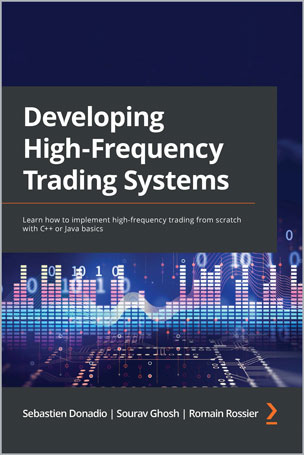
Learn how to implement high-frequency trading from scratch with C++ or Java basics
Sebastien Donadio, Sourav Ghosh, Romain Rossier
#High_Frequency_Trading
#HFT
#C++
#Java
#Python
#OS
#Crypto
#FPGA
⚡ ساخت و بهینهسازی سیستمهای معاملات با فرکانس بالا
💻 از مهارتهای برنامهنویسی خودت استفاده کن تا با Java، C++ و Python سیستمهای High-Frequency Trading یا HFT رو سریع طراحی، پیادهسازی و بهینه کنی.
✨ ویژگیهای کلیدی
🚀 یاد میگیری چطور سیستمهای معاملات با فرکانس بالا با Ultra-Low Latency بسازی
🧩 با کامپوننتهای حیاتی یک سیستم معاملاتی آشنا میشی
⚙️ با تکنیکهای پیشرفته برنامهنویسی، پرفورمنس سیستمهای معاملاتی رو بهینه میکنی
📘 توضیح کتاب
📈 دنیای بازارهای مالی پیچیده است، اما تکنولوژی میتونه خیلی از این پیچیدگیها رو قابلکنترلتر کنه. شاید برنامهنویسی بلد باشی، اما برای ساخت یک سیستم معاملاتی باید از کجا شروع کنی؟ کدوم زبان برنامهنویسی مناسبه؟ مشکل Latency رو چطور باید حل کرد؟
🧠 این کتاب به همین سؤالها جواب میده. وارد دنیای Algorithmic Trading میشی و یاد میگیری چطور یک سیستم HFT رو از مجموعهای از کامپوننتهای پیچیده تکنولوژیکی و با تکیه بر دادههای دقیق بسازی.
🏦 کتاب با معرفی HFT، Exchangeها و کامپوننتهای حیاتی یک سیستم معاملاتی شروع میشه و خیلی زود وارد جزئیات مهندسی برای کاهش Latency میشه.
🖥️ یاد میگیری سختافزار و سیستمعامل رو برای معاملات Low-Latency بهینه کنی؛ از Kernel Bypass و مدیریت تخصیص حافظه گرفته تا خطرهای Context Switching.
📊 مانیتور کردن پرفورمنس سیستم برای HFT اهمیت زیادی داره، بنابراین Logging و جمعآوری Statistics هم بهطور جدی بررسی میشن.
⚙️ بعد از زبانهای سنتی HFT مثل C++ و Java، کتاب نشون میده چطور حتی با Python هم میشه به سطح بالایی از پرفورمنس رسید.
🪙 و البته کتاب معاملات الگوریتمی بدون Cryptocurrency کامل نمیشه. در این بخش یاد میگیری چطور معاملات پربسامد ارزهای دیجیتال رو هم با اطمینان بیشتری پیادهسازی کنی.
🎯 تا پایان کتاب، دانش فنی لازم رو داری تا سیستمهای HFT خودت رو برای فعالیت در بازارهای واقعی طراحی و پیادهسازی کنی.
🎯 چیزهایی که یاد میگیری
🏗️ معماری سیستمهای High-Frequency Trading رو درک میکنی
⚡ پرفورمنس سیستم رو برای رسیدن به کمترین Latency ممکن افزایش میدی
💻 از قدرت Python، C++ و Java برای ساخت سیستمهای معاملاتی استفاده میکنی
🧠 Kernel سیستمعامل رو Bypass میکنی و خود سیستمعامل رو برای HFT بهینه میکنی
🔍 از Static Analysis برای بهبود فرایند توسعه کد استفاده میکنی
🚀 با Templateهای C++ و Multithreading در Java به Ultra-Low Latency میرسی
🪙 دانش خودت رو در معاملات Cryptocurrency هم به کار میگیری
👤 این کتاب برای چه کسانیه؟
💻 این کتاب برای Software Engineerها، Quantitative Developerها، پژوهشگرهای کمی و DevOps Engineerهایی نوشته شده که میخوان جنبه فنی سیستمهای HFT و بهینهسازیهای لازم برای رسیدن به Ultra-Low Latency رو درک کنن.
📌 داشتن تجربه قبلی با C++ و Java کمک میکنه مطالب کتاب رو راحتتر دنبال کنی.
📖 فهرست مطالب
پارت ۱. استراتژیهای معاملاتی، سیستمهای معاملاتی و Exchangeها
فصل ۱. مبانی یک سیستم High-Frequency Trading
فصل ۲. کامپوننتهای حیاتی یک سیستم معاملاتی
فصل ۳. درک پویایی Exchangeهای معاملاتی
پارت ۲. معماری یک سیستم High-Frequency Trading
فصل ۴. مبانی سیستم HFT. از سختافزار تا سیستمعامل
فصل ۵. شبکه در عمل
فصل ۶. بهینهسازی HFT. معماری و سیستمعامل
فصل ۷. بهینهسازی HFT. Logging، پرفورمنس و شبکه
پارت ۳. پیادهسازی یک سیستم High-Frequency Trading
فصل ۸. C++. در جستوجوی Latency در حد Microsecond
فصل ۹. Java و JVM برای سیستمهای Low-Latency
فصل ۱۰. Python. تفسیری، اما آماده برای پرفورمنس بالا
فصل ۱۱. معاملات پربسامد با FPGA و Cryptocurrency
👤 درباره نویسندگان
👨💻 سباستین دونادیو مدیر ارشد فناوری یا CTO در Tradair است و مسئول هدایت بخش تکنولوژی این شرکت محسوب میشه.
🏢 او تجربه حرفهای متنوعی داره؛ از مدیریت مهندسی نرمافزار در HC Technologies و فعالیت بهعنوان شریک و مدیر فنی یک شرکت معاملات پربسامد FX گرفته تا توسعه نرمافزار استراتژیهای Quantitative Trading در Sun Trading و مدیریت پروژه برای وزارت دفاع آمریکا.
🔬 او همینطور سابقه پژوهشی در Bull SAS و فعالیت بهعنوان مدیر IT Credit Risk در Société Générale فرانسه رو داره.
🎓 سباستین طی ده سال گذشته دورههای مختلف علوم کامپیوتر رو در University of Chicago، NYU و Columbia University تدریس کرده. علاقه اصلی او تکنولوژیه، اما در کنار اون مربی غواصی و صخرهنورد باتجربه هم هست.
👨💻 سوراوف گوش طی بیش از یک دهه در چندین شرکت Proprietary High-Frequency Algorithmic Trading فعالیت کرده.
⚡ او سیستمهای معاملات خودکار با Latency بسیار پایین و Throughput بالا رو برای Exchangeهای مختلف در سراسر دنیا و در چندین کلاس دارایی طراحی و دیپلوی کرده.
📈 تخصص اصلی او در Statistical Arbitrage Market Making و استراتژیهای Pairs Trading برای قراردادهای Futures با نقدشوندگی بالاست.
🏢 سوراوف در حال حاضر بهعنوان Senior Quantitative Developer در یک شرکت معاملاتی در شیکاگو فعالیت میکنه و مدرک کارشناسی ارشد علوم کامپیوتر خودش رو از University of Southern California گرفته.
🧠 حوزههای موردعلاقه او شامل Computer Architecture، FinTech، Probability Theory، Stochastic Processes، Statistical Learning، روشهای Inference و Natural Language Processing میشن.
👨💻 رومن روسیه بیش از ۱۹ سال تجربه حرفهای داره و بخش عمدهای از این مدت رو بهعنوان Software Architect در صنعت مالی فعالیت کرده. تخصص اصلی او طراحی و توسعه نرمافزارهای Java با Low Latency و پرفورمنس بالاست.
🏗️ او در حال حاضر Chief Architect موتور Proprietary Trading ارزی در HCTech است.
⚙️ رومن همینطور تیم توسعه نرمافزار HCTech رو ایجاد و رهبری کرده و معماری پلتفرم HFT این شرکت برای FX، Futures و Fixed Income رو توسعه داده.
🏦 پیش از HCTech، او مدیر Currenex Lab بود و تیم مسئول توسعه Currenex Intelligent Pricing System رو هدایت میکرد.
🎓 رومن مدرک کارشناسی ارشد Communication Systems خودش رو از Swiss Federal Institute of Technology in Lausanne دریافت کرده.
Use your programming skills to create and optimize high-frequency trading systems in no time with Java, C++, and Python
The world of trading markets is complex, but it can be made easier with technology. Sure, you know how to code, but where do you start? What programming language do you use? How do you solve the problem of latency? This book answers all these questions. It will help you navigate the world of algorithmic trading and show you how to build a high-frequency trading (HFT) system from complex technological components, supported by accurate data.
Starting off with an introduction to HFT, exchanges, and the critical components of a trading system, this book quickly moves on to the nitty-gritty of optimizing hardware and your operating system for low-latency trading, such as bypassing the kernel, memory allocation, and the danger of context switching. Monitoring your system’s performance is vital, so you’ll also focus on logging and statistics. As you move beyond the traditional HFT programming languages, such as C++ and Java, you’ll learn how to use Python to achieve high levels of performance. And what book on trading is complete without diving into cryptocurrency? This guide delivers on that front as well, teaching how to perform high-frequency crypto trading with confidence.
By the end of this trading book, you’ll be ready to take on the markets with HFT systems.
This book is for software engineers, quantitative developers or researchers, and DevOps engineers who want to understand the technical side of high-frequency trading systems and the optimizations that are needed to achieve ultra-low latency systems. Prior experience working with C++ and Java will help you grasp the topics covered in this book more easily.
Part 1: Trading Strategies, Trading Systems, and Exchanges
1. Fundamentals of a High-Frequency Trading System
2. The Critical Components of a Trading System
3. Understanding the Trading Exchange Dynamics
Part 2: How to Architect a High-Frequency Trading System
4. HFT System Foundations – From Hardware to OS
5. Networking in Motion
6. HFT Optimization – Architecture and Operating System
7. HFT Optimization – Logging, Performance, and Networking
Part 3: Implementation of a High-Frequency Trading System
8. C++ – The Quest for Microsecond Latency
9. Java and JVM for Low-Latency Systems
10. Python – Interpreted but Open to High Performance
11. High-Frequency FPGA and Crypto
Sebastien Donadio is the Chief Technology Officer at Tradair, responsible for leading the technology. He has a wide variety of professional experience, including being head of software engineering at HC Technologies, partner and technical director of a high-frequency FX firm, a quantitative trading strategy software developer at Sun Trading, working as project lead for the Department of Defense. He also has research experience with Bull SAS, and an IT Credit Risk Manager with Socit Gnrale while in France. He has taught various computer science courses for the past ten years in the University of Chicago, NYU and Columbia University. His main passion is technology but he is also a scuba diving instructor and an experienced rock-climber.
Sourav Ghosh has worked in several proprietary high-frequency algorithmic trading firms over the last decade. He has built and deployed extremely low latency, high throughput automated trading systems for trading exchanges around the world, across multiple asset classes. He specializes in statistical arbitrage market-making, and pairs trading strategies for the most liquid global futures contracts. He works as a Senior Quantitative Developer at a trading firm in Chicago. He holds a Masters in Computer Science from the University of Southern California. His areas of interest include Computer Architecture, FinTech, Probability Theory and Stochastic Processes, Statistical Learning and Inference Methods, and Natural Language Processing.
Romain Rossier brings 19+ years of experience mostly as a Software Architect in the financial industry, specializing in low latency, high performance java software design and development. He is currently the Chief Architect for the HCTech FX Proprietary Trading engine. He also built and led the software development team at HCTech, where he oversaw and developed the HFT platform architecture for FX, Futures and Fixed Income. Prior to HCTech, Romain was Director of the Currenex lab where he led the team responsible for the development of the Currenex Intelligent Pricing System. Romain holds a Master of Science in Communication Systems from the Swiss Federal Institute of Technology in Lausanne.