ثبت نام / ورود
0
ثبت نام / ورود
0
The Foundations
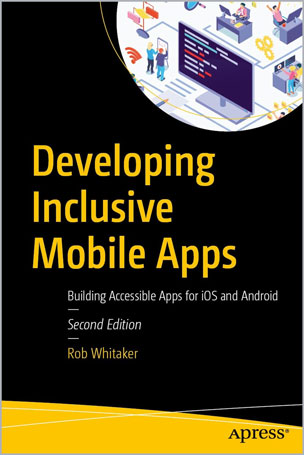
Marco Antonio Carcano
#DevSecOps
#DevOps
#Linux
#PKI
This book is a comprehensive guide tailored to help you develop the core skills necessary to succeed in the rapidly evolving field of DevOps and DevSecOps. It covers the intersection of development, security, and operations, equipping you with both the technical expertise and soft skills required for this role. Apart from the necessary theory, it provides a large number of examples as well as hands-on labs to familiarize you with practical applications.
The book begins with essential soft skills, introducing you to frameworks like Agile and Lean along with Scrum and Kanban. To better explain the topic and practical applicatins, an example Python project of an executable package is included. Then the book take you into a deepdive, demonstrating the process of gradually improving the project adding the explained topics as new features avoiding unnecessary rework. The book also covers security topics including source code compliance analysis and vulnerabilities scans, system security, data encryption and identity validation using GPG, X.509 certificates and PKI.
The book delves on the most commonly used protocols (HTTP, TLS, LDAP), providing also an overview of service protocols such as SOAP and REST. Along with this it also covers containers (Docker, Podman), with an overview of Kubernetes and Helm, and a hands-on lab for installing Rancher and Deploying Gitea on top of it. Gitea is also exploited to delve into Git. The book ends showing how to operate with Ansible using playbooks, roles and collections. After reading this book you will be able to solve complex challenges, create secure and maintainable solutions, and become a trusted and respected member of any DevSecOps team.
The book will not only teach you the technical concepts of DevSecOps but also to help you develop the professional mindset that will make you a sought-after DevSecOps expert. You will be able to solve complex challenges, create secure and maintainable solutions, and become a trusted and respected member of any DevSecOps team.
Whether you are an experienced engineer aiming to transition into DevSecOps or a student looking to build a career, this book provides a comprehensive, hands-on, and actionable guide to becoming a skilled DevSecOps professional.
You Will Learn:
Who is this book for: Aspiring DevOps and DevSecOps professionals, engineers looking to transition into Dev\Ops roles, and anyone seeking a strong foundation in the practices and tools of the DevSecOps field.
Table of Contents
Part I: Holistic Skill Set
Chapter 1. Team Working
Chapter 2. Solution Lifecycle
Chapter 3. An Overview of Agile and Lean
Chapter 4. An Overview of Scrum and Kanban
Part II: Operating with the System
Chapter 5. The BASH and Command-Line Utilities
Part III: Basic Data Formats
Chapter 6. Key-Value Pairs
Part IV: Data ProcessingChapter 7. Regular Expressions (RegEx)
Chapter 8. Working with Grep
Chapter 9. Working with Sed
Chapter 10. Working with AWK
Part V: Structured Data Processing
Chapter 11. XML with XPath, XMLStarlet, and Python
Chapter 12. JSON with JQ and Python
Chapter 13. YAML with Yq and Python
Part VI. Developing a Python Project
Chapter 14. Unit Tests
Chapter 15. Packaging As a Wheel
Chapter 16. Managing the Build with GNU Make
Chapter 17. Packaging As RPM
Chapter 18. Setup Git and the Pre-commit Framework
Chapter 19. Auditing Source Code Compliance
Chapter 20. Scanning Vulnerabilities
Part VII. Security
Chapter 21. System Security
Chapter 22. Securing Data and Validating Identity Through GPG
Chapter 23. X.509 Certificates and PKI
Part VIII. Common Protocols
Chapter 24. HTTP
Chapter 25. TLS
Chapter 26. LDAP
Part IX. Working with Containers
Chapter 27. The Containers Ecosystem
Chapter 28. Docker and Podman
Chapter 29. Deploying Pulp3 Using Docker Compose
Part X. Service Protocols
Chapter 30. SOAP and REST
Part XI. Orchestrating Containers
Chapter 31. Kubernetes, Helm, and Rancher
Part XII. CI/CD Toolchain
Chapter 32. Deploying Gitea Using the Helm Chart
Chapter 33. CI/CD and Continuous Delivery
Chapter 34. Working with Gitea Actions Workflows
Part XIII. Version Control
Chapter 35. Version Management with Git
Part XIV. Remote Configuration Management
Chapter 36. An Overview of SSH
Chapter 37. Ansible Playbooks, Roles, and Collections
Marco Antonio Carcano is a professional with more than 27 years of professional experience mostly spent on Linux. After an initial time as a developer, he gradually moved to the systems field working most of the time in supporting the financial field as a System Engineer, System Architect and Solutions Architect. His current role is DevOps engineer at a visionary corporate in the software industry.