ثبت نام / ورود
0
ثبت نام / ورود
0
Real-World Hardware Development
Hunter Scott
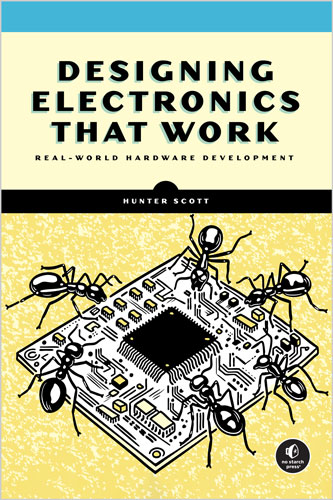
#Electronics
🛠️ چطوری مهندسهای واقعی، قطعه به قطعه، یک دستگاه الکترونیکی کارا و بینقص میسازند.
😫 اگه تا حالا پیش اومده که بردتون همون اول کار موقع روشن شدن دود بشه، ساعتها درگیر عیبیابی طرحی بودید که «روی کاغذ باید کار میکرد»، یا درست دم تحویل پروژه به مشکل تأمین قطعه برخوردید—پس خودتون خوب میدونید که این کار فقط تئوری خشکوخالی نیست. داستان سرِ قضاوت، تصمیمگیری و دستوپنجه نرم کردن با محدودیتهای دنیای واقعیه.
📖 کتاب «طراحی الکترونیک کارا» یک راهنمای جامع برای تمام نکات عملیای هست که توی کتابهای درسی معمولی الکترونیک پیدا نمیکنید. این کتاب برای کسایی نوشته شده که تا حدودی — یا حتی خیلی زیاد — با مدارها آشنا هستن، اما میخوان سریعتر پیش برن، کمتر اشتباه کنن و با اعتمادبهنفس بیشتری سختافزار سالم و کارا تحویل بدن.
✅ با خوندن این کتاب یاد میگیرید که چطور:
🎯 نیازمندیها رو طوری تعریف و اولویتبندی کنید که چیز درستی بسازید، نه فقط یه چیز هوشمندانه و پیچیده.
✍️ شماتیک و طرح برد (Layout) رو طوری طراحی کنید که عیبیابی راحتتر بشه.
💰 از همون روز اول برای قابلیت تولید، انطباق با استانداردها و هزینهها برنامهریزی کنید.
🔬 یک آزمایشگاه بسازید که بهتون کمک کنه سریعتر کار کنید، بدون اینکه جیبتون خالی بشه.
🕵️♂️ مشکلات رو بهصورت روشمند عیبیابی کنید، حتی وقتی که هیچچیزی منطقی به نظر نمیرسه.
👨🔬 هانتر اسکات برای تجهیزات پزشکی، سیستمهای RF، استارتاپها و حتی چیدمانهای هنری، قطعات الکترونیکی طراحی کرده.
💡 این کتاب بازتاب چیزهاییه که اون در عمل یاد گرفته، نه فقط تئوریهای دانشگاهی.
🤔 اینجا قرار نیست فصلهای طولانی در مورد اینکه «خازن چیست» بخونید. در عوض، جواب سوالهایی مثل اینا رو پیدا میکنید: «واقعاً کدوم خازن رو باید بخرم؟»، «اگه قطعهای که انتخاب کردم موجود نبود چی؟»، یا «چطور جلوی هدر رفتن وقت و پولم رو بگیرم؟».
🚀 چه یک علاقهمند (هابیست) باشید که میخواد از سطح آردوینو فراتر بره، چه یک فارغالتحصیل تازهکار که داره حین کار یاد میگیره، یا یک مهندس باتجربه که دنبال بهینهسازی روند کاریشه—این کتاب به شما کمک میکنه هوشمندانهتر بسازید و قبل از اینکه مشکلات پیداشون بشه، جلوشون رو بگیرید.
👨💻 هانتر اسکات یکی از مهندسان موسس در استارتاپ Reach Power است که در زمینه انتقال انرژی بیسیم در فواصل طولانی فعالیت میکند. او بیش از یک دهه است که به طراحی سختافزار مشغول بوده و دارای مدرک مهندسی از دانشگاه جورجیا تک (Georgia Tech) است. اسکات در کنفرانسهای معتبری چون DEF CON، Hackaday Supercon و Altium Live سخنرانی کرده و پروژههایش در رسانههایی مانند NPR، گاردین و شیکاگو تریبون بازتاب داشتهاند.
How real engineers build electronics—one working piece at a time.
If you’ve ever had a board fail on power-up, spent hours debugging a layout that “should work,” or run into a supplier problem just before a deadline—you already know this isn’t just about theory. It’s about judgment, decisions, and real-world constraints.
Designing Electronics That Work is a guide to all the practical things you won’t find in a typical electronics textbook. It’s written for people who already know a little—maybe a lot—about circuits, but want to move faster, make fewer mistakes, and ship working hardware with more confidence.
You’ll learn how to:
Hunter Scott has designed electronics for medical devices, RF systems, startups, and art installations.
This book reflects what he’s learned, not as theory, but as practice.
You won’t find chapter-length explanations of what a capacitor is. You will find answers to questions like: Which capacitor should I actually buy? What if the one I spec’d is out of stock? How do I avoid wasting time and money?
Whether you’re a hobbyist moving beyond Arduino, a new grad learning on the job, or an experienced engineer looking to streamline your process—this book will help you build smarter and avoid problems before they start.
Table of Contents
Part I: Planning
Chapter 1: What to Build and How to Plan for It
Chapter 2: Component Specifications and Purchasing
Chapter 3: Selecting Passive Components
Chapter 4: Selecting Active Components
Part II: Designing
Chapter 5: Schematic Design
Chapter 6: Layout Design
Chapter 7: Design for Excellence
Chapter 8: Regulatory Requirements for Electromagnetic Compatibility and Immunity
Chapter 9: Cost Engineering
Part III: Building
Chapter 10: Prototyping
Chapter 11: Building a Lab
Chapter 12: Fabrication and Assembly
Chapter 13: Testing
Chapter 14: Troubleshooting
Appendix A: How to Give a Demo
Appendix B: Recommended Resources
Appendix C: Example Fabrication Notes
About the Author
Hunter Scott is a founding engineer at Reach Power, a startup working on long range power beaming. He’s been designing hardware for over a decade and holds an engineering degree from Georgia Tech. Scott has spoken at DEF CON, Hackaday Supercon, and Altium Live, and his projects have been featured on NPR and in The Guardian and The Chicago Tribune.