ثبت نام / ورود
0
ثبت نام / ورود
0
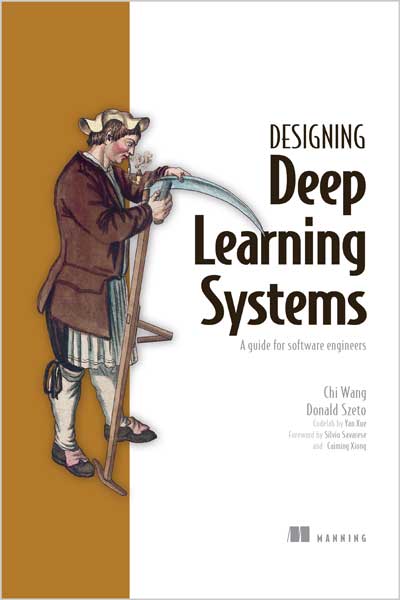
A Guide for Software Engineers
Chi Wang, Donald Szeto
#Deep_Learning
#PyTorch
🚀 راهنمایی ضروری برای ساخت پلتفرمها و سیستمهایی که مدلهای Deep Learning رو وارد محیط پروداکشن میکنن.
🎯 در این کتاب یاد میگیری
💻 مهارتهای توسعه نرمافزار خودت رو به ساخت سیستمهای Deep Learning منتقل کنی
🛠️ چالشهای رایج مهندسی در سیستمهای Deep Learning رو شناسایی و حل کنی
🔄 چرخه توسعه Deep Learning رو درک کنی
🤖 آموزش مدلها رو در TensorFlow و PyTorch اتوماتیک کنی
⚙️ مدیریت دیتاست، آموزش مدل، Model Serving و تنظیم Hyperparameterها رو بهینه کنی
🌐 پروژه Open Source مناسب رو برای پلتفرم خودت انتخاب کنی
📘 سیستمهای Deep Learning شامل کامپوننتها و زیرساختهاییه که برای پشتیبانی از یک مدل یادگیری عمیق در محیط پروداکشن ضروری هستن. کتاب Designing Deep Learning Systems بهطور ویژه برای مهندسهای نرمافزاری نوشته شده که آشنایی محدودی با نیازهای طراحی سیستمهای Deep Learning دارن.
🧩 مثالهای عملی کتاب کمکت میکنن مهارتهای توسعه نرمافزار خودت رو به ساخت پلتفرمهای Deep Learning منتقل کنی. یاد میگیری برای تسکهای اصلی مثل مدیریت دیتاست، آموزش و Serving مدل و تنظیم Hyperparameterها، سرویسهایی اتوماتیک و مقیاسپذیر بسازی.
🚀 این کتاب مسیر مناسبی برای ورود به حوزه جذاب و پردرآمد مهندسی Deep Learning فراهم میکنه.
🔬 درباره تکنولوژی
🏗️ برای اینکه یک مدل Deep Learning در عمل قابلاستفاده باشه، باید داخل یک پلتفرم نرمافزاری قرار بگیره. بهعنوان مهندس نرمافزار، برای ساخت چنین سیستمی باید درک عمیقی از نیازهای Deep Learning داشته باشی و این کتاب همین دانش رو در اختیارت میذاره.
📗 درباره کتاب
🧠 کتاب Designing Deep Learning Systems: A Software Engineer’s Guide تمام چیزهایی رو که برای طراحی و پیادهسازی یک پلتفرم Deep Learning آماده پروداکشن نیاز داری آموزش میده.
🗺️ کتاب ابتدا تصویر کلی یک سیستم Deep Learning رو از دید دولوپر توضیح میده؛ از کامپوننتهای اصلی گرفته تا نحوه ارتباط اونها با هم.
⚙️ بعد قدمبهقدم سراغ روشهای مهندسی لازم برای ساخت پلتفرمهای Deep Learning قابلنگهداری، کارآمد و مقیاسپذیر میره.
📦 داخل کتاب چه چیزهایی هست
🔄 چرخه توسعه Deep Learning
🤖 اتوماتیکسازی آموزش مدل در TensorFlow و PyTorch
🗄️ مدیریت دیتاست، Model Serving و تنظیم Hyperparameterها
🧪 یک آزمایشگاه عملی Deep Learning
👤 این کتاب برای چه کسانیه؟
💻 این کتاب برای دولوپرهای نرمافزار و دانشمندهای دادهای نوشته شده که ذهنیت مهندسی دارن. مثالهای کتاب با Java و Python ارائه شدهاند.
📖 فهرست مطالب
فصل ۱. مقدمهای بر سیستمهای Deep Learning
فصل ۲. سرویس مدیریت دیتاست
فصل ۳. سرویس آموزش مدل
فصل ۴. آموزش توزیعشده
فصل ۵. سرویس بهینهسازی Hyperparameterها
فصل ۶. طراحی Model Serving
فصل ۷. Model Serving در عمل
فصل ۸. ذخیرهسازی Metadata و Artifactها
فصل ۹. Orchestration ورکفلوها
فصل ۱۰. مسیر ورود به پروداکشن
👤 درباره نویسندگان
👨💻 چی وانگ دولوپر ارشد نرمافزار در گروه Salesforce Einstein است و روی ساخت پلتفرم Deep Learning برای میلیونها مشتری Salesforce کار میکنه.
☁️ او پیش از این در Microsoft Bing و Azure روی ساخت سیستمهای توزیعشده بزرگمقیاس فعالیت کرده. چی وانگ شش پتنت ثبت کرده که بیشتر اونها به سیستمهای Deep Learning مربوط میشن.
👨💼 دونالد ستو همبنیانگذار و CTO شرکت PredictionIO بود؛ استارتاپی که هدفش عمومیتر کردن و سرعت بخشیدن به پذیرش Machine Learning بود.
🏢 PredictionIO بعدا توسط Salesforce خریداری شد و دونالد فعالیت خودش رو در زمینه سیستمهای Machine Learning و Deep Learning در این شرکت ادامه داد.
🚀 او در حال حاضر روی سرمایهگذاری، مشاوره و منتورینگ استارتاپهای تکنولوژی تمرکز داره.
A vital guide to building the platforms and systems that bring deep learning models to production.
In Designing Deep Learning Systems you will learn how to:
Deep learning systems are the components and infrastructure essential to supporting a deep learning model in a production environment. Written especially for software engineers with minimal knowledge of deep learning’s design requirements, Designing Deep Learning Systems is full of hands-on examples that will help you transfer your software development skills to creating these deep learning platforms. You’ll learn how to build automated and scalable services for core tasks like dataset management, model training/serving, and hyperparameter tuning. This book is the perfect way to step into an exciting—and lucrative—career as a deep learning engineer.
About the technology
To be practically usable, a deep learning model must be built into a software platform. As a software engineer, you need a deep understanding of deep learning to create such a system. Th is book gives you that depth.
About the book
Designing Deep Learning Systems: A software engineer's guide teaches you everything you need to design and implement a production-ready deep learning platform. First, it presents the big picture of a deep learning system from the developer’s perspective, including its major components and how they are connected. Then, it carefully guides you through the engineering methods you’ll need to build your own maintainable, efficient, and scalable deep learning platforms.
What's inside
About the reader
For software developers and engineering-minded data scientists. Examples in Java and Python.
Table of Contents
1 An introduction to deep learning systems
2 Dataset management service
3 Model training service
4 Distributed training
5 Hyperparameter optimization service
6 Model serving design
7 Model serving in practice
8 Metadata and artifact store
9 Workflow orchestration
10 Path to production
Chi Wang is a principal software developer in the Salesforce Einstein group where he builds the deep learning platform for millions of Salesforce customers. Previously, he worked at Microsoft Bing and Azure on building large-scale distributed systems. Chi has filed six patents, mostly in deep learning systems.
Donald Szeto was the co-founder and CTO of PredictionIO, a startup that aimed to help democratize and accelerate the adoption of machine learning. PredictionIO was acquired by Salesforce, where he continued his work on machine learning and deep learning systems. Donald is currently investing in, advising, and mentoring technology startups.