ثبت نام / ورود
0
ثبت نام / ورود
0
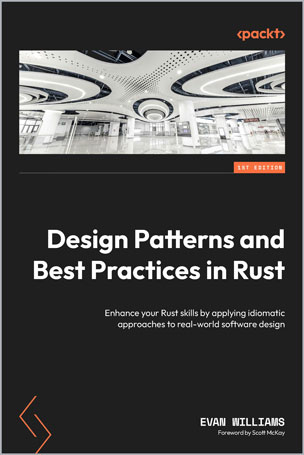
🔍 Enhance your Rust skills by applying idiomatic approaches to real-world software design
#Design_Patterns
#Rust
#Clone
#Rc
#TypeState
🛠️ کد Rust امنتر و قابلنگهداریتر بنویس؛ با شناسایی آنتیپترنها، بهکارگیری Design Patternهای ایدیوماتیک که برای Ownership، Borrowing و Type System طراحی شدهاند، و یاد گرفتن اینکه چه زمانی باید راهکارهای سنتی رو تطبیق بدی یا اصلاً ازشون دوری کنی.
✨ ویژگیهای کلیدی
🧩 از Traitها، Ownership، Borrowing و Lifetimeها استفاده میکنی تا کد Rust خوانا، ماژولار و expressive بسازی
⚠️ با راهنماییهای شفاف و مخصوص Rust، از آنتیپترنهای رایج و دامهای طراحی دوری میکنی
🏗️ اپلیکیشنهای عملی Rust رو با پترنهای Rust-Native و Design Patternهای تطبیقدادهشده طراحی میکنی
📘 توضیح کتاب
🧠 خیلی از دولوپرهای Rust وقتی سعی میکنن پترنهای آشنای شیءگرا یا پترنهای رایج بین زبانهای مختلف رو روی پروژههای Rust پیاده کنن، به مشکل میخورن. این ناسازگاریها معمولاً باعث ارورهای گیجکننده کامپایلر، راهحلهای موقتی و بدقواره، یا کد شکننده میشن. این کتاب کمک میکنه از این تلهها دوری کنی؛ با فکر کردن به سبک Rust و استفاده از Design Patternهای ایدیوماتیکی که Ownership، Borrowing و Type Safety رو جدی میگیرن.
🚧 کتاب با آنتیپترنها و اشتباههای رایجی شروع میشه که دولوپرهای Rust زیاد باهاشون روبهرو میشن؛ مثل استفاده اشتباه از تفکر شیءگرا، وابستگی بیشازحد به Clone، یا نگاه کردن به Borrow Checker بهعنوان یک مانع. بعد از اون، یاد میگیری چطور راهکارهای طراحی سنتی رو برای Rust دوباره از نو فکر کنی؛ از پترنهای Creational و Structural گرفته تا Behavioral. همینطور وارد استراتژیهای معماری، طراحی Type-Driven و تکنیکهای مخصوص Rust مثل TypeState میشی. فصل آخر همه این ایدهها رو کنار هم میذاره و به یک ذهنیت طراحی میرسه که ریشهاش در Rust ایدیوماتیکه.
🚀 تا پایان این کتاب، میدونی چطور از اشتباههای پرهزینه دوری کنی، پترنهای مؤثر رو با اعتمادبهنفس به کار بگیری، و اپلیکیشنهای Rust تمیز، مقیاسپذیر و قابلاعتماد طراحی کنی.
🎯 چیزهایی که یاد میگیری
🧱 اپلیکیشنهای قابلنگهداری رو با پترنهای ایدیوماتیک Rust طراحی میکنی
⚠️ آنتیپترنهای Rust رو میشناسی؛ همونهایی که باعث کد شلوغ یا ناکارآمد میشن
🔁 پترنهای Creational، Structural و Behavioral رو برای Rust تطبیق میدی
🧠 از Type System استفاده میکنی تا خطاهای منطقی رو در زمان کامپایل بگیری
📦 کد رو با ماژولها، Traitها و Interfaceهای شفاف، درست ساختاردهی میکنی
🔐 با Ownership، Borrowing و Type System کار میکنی تا مدیریت داده سادهتر بشه
🧬 تکنیکهای Functional رو پیادهسازی میکنی تا کد Rust شفافتر و expressiveتر بشه
👤 این کتاب برای چه کسانیه؟
🦀 این کتاب برای دولوپرهای Rustیه که آمادهاند از مبانی عبور کنن و روش طراحی و ساختاردهی کد خودشون رو بهتر کنن. اگر با ساخت اپلیکیشنهای ساده راحتی و از ابزارهایی مثل Cargo استفاده میکنی، این کتاب کمک میکنه نرمافزار تمیزتر، ایدیوماتیکتر و قابلاعتمادتر بنویسی.
🎯 این کتاب برای کسانی ایدهآله که میخوان بفهمن کدوم پترنها در Rust خوب جواب میدن، چطور از دامهای رایج دوری کنن، و چطور پروژههای پیچیدهتر و واقعیتر رو با اعتمادبهنفس جلو ببرن.
📖 فهرست مطالب
بخش ۱. فکر کردن به سبک Rust
فصل ۱. چرا Rust متفاوت است؟
فصل ۲. آنتیپترن: طراحی برای شیءگرایی
فصل ۳. آنتیپترن: استفاده از Clone و Rc در همهجا
فصل ۴. با Borrow Checker نجنگ
بخش ۲. جایگزین کردن Design Patternهای سنتی
فصل ۵. پترنهای Creational: ساختن چیزها
فصل ۶. پترنهای Structural: وصل کردن و تجمیع کامپوننتها
فصل ۷. پترنهای Behavioral ۱: اقدام کردن
فصل ۸. پترنهای Behavioral ۲: پیگیری و نگهداشتن وضعیت
بخش ۳. پترنهای جدید برای Rust
فصل ۹. پترنهای معماری
فصل ۱۰. پترنهایی که از Type System استفاده میکنن
فصل ۱۱. پترنهایی از Functional Programming
فصل ۱۲. پترنهایی که از قابلیتهای اصلی Rust بیرون میان
فصل ۱۳. همراه شدن با Rust
👤 درباره نویسنده
👨💻 ایوان ویلیامز یک معمار نرمافزار و لید مهندسی موفقه که چند دهه تجربه در برنامهنویسی سیستمها و توسعه سطح پایین داره. تخصص او چندین زبان برنامهنویسی رو پوشش میده؛ از جمله Rust، C/C++، Python و Java. او سیستمهای بزرگمقیاس و پرفورمنسبالا رو در صنعتهایی مثل سفر، سلامت و لجستیک معماری کرده و تحویل داده.
✨ علاقه او به کد باکیفیت، Design Patternهای تمیز و منتورینگ مهندسها باعث شده گزینه بسیار مناسبی برای راهنمایی خوانندهها در مسلط شدن به رویکرد منحصربهفرد Rust باشه. ایوان صاحب یک اکسولوتل دوستداشتنیه! او همینطور از نوشتن شعر و داستان لذت میبره. سازهای موسیقی زیادی هم داره که شاید خیلی خوب ننوازه، اما با شادی و علاقه مینوازه.
Write safer, more maintainable Rust code by identifying anti-patterns, applying idiomatic design patterns tailored to ownership, borrowing, and the type system, and learning when to adapt or avoid traditional solutions.
Many Rust developers run into problems when they try to apply familiar object-oriented or cross-language patterns to Rust projects. These mismatches often lead to confusing compiler errors, awkward workarounds, or brittle code. This book helps you avoid those traps by thinking in Rust and applying idiomatic design patterns that embrace ownership, borrowing, and type safety.
The book begins with anti-patterns and common mistakes Rust developers often encounter, including misusing object-oriented thinking, over-relying on Clone, or treating the borrow checker as an obstacle. From there, you’ll explore how to rethink traditional design solutions for Rust, including creational, structural, and behavioral design patterns. You’ll also dive into architectural strategies, type-driven design, and Rust-specific techniques such as TypeState. The final chapter brings these ideas together into a design mindset rooted in idiomatic Rust.
By the end of this book, you’ll know how to avoid costly mistakes, apply effective patterns confidently, and design Rust applications that are clean, scalable, and reliable.
Rust developers ready to move beyond the basics and improve how they design and structure code will benefit from this book. If you're comfortable building simple applications and using tools like Cargo, this book will help you write cleaner, more idiomatic, and reliable software.
It’s ideal for those looking to understand which patterns work in Rust, how to avoid common traps, and how to tackle more complex, real-world projects with confidence.
Part 1: Thinking in Rust
1.Why Is Rust Different?
2.Anti-Pattern: Designing for Object Orientation
3.Anti-Pattern: Using Clone and Rc Everywhere
4.Don't Fight the Borrow Checker
Part 2: Replacing Traditional Design Patterns
5.Creational Patterns: Making Things
6.Structural Patterns: Connecting and Aggregating Components
7.Behavioral Patterns 1: Taking Action
8.Behavioral Patterns 2: Keeping Track
Part 3: New Patterns for Rust
9.Architectural Patterns
10.Patterns That Leverage the Type System
11.Patterns from Functional Programming
12.Patterns Emerging from Rust's Core Features
13.Leaning into Rust
Evan Williams is an accomplished software architect and engineering leader with decades of experience in systems programming and low-level development. His expertise spans multiple programming languages, including Rust, C/C++, Python, and Java. He has architected and delivered large-scale, high-performance systems across industries like travel, healthcare, and logistics. His passion for quality code, elegant design patterns, and mentoring engineers makes him well-suited to guide readers in mastering Rust's unique approach. Evan is a proud axolotl owner! He also enjoys writing poetry & stories. He has many musical instruments that he plays badly, but joyously.