ثبت نام / ورود
0
ثبت نام / ورود
0
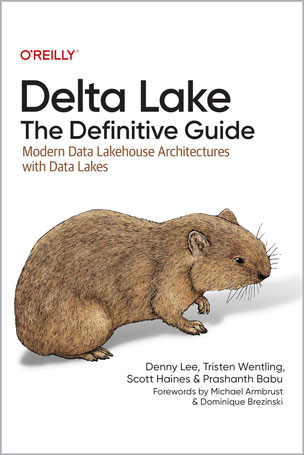
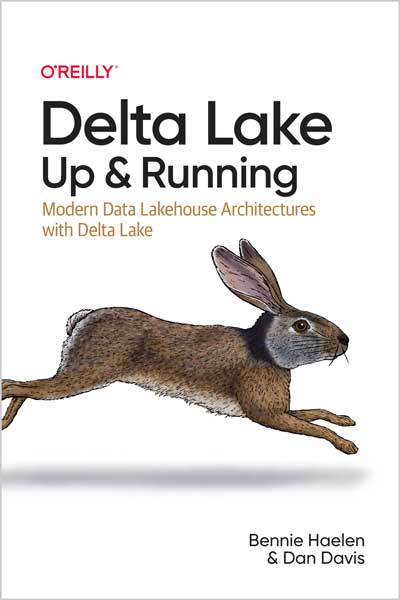
Modern Data Lakehouse Architectures with Delta Lake
Bennie Haelen, Dan Davis
#Delta_Lake
#Data_Lakehouse
#data_pipeline
#data_engineering
#data_lake
#AI
With the surge in big data and AI, organizations can rapidly create data products. However, the effectiveness of their analytics and machine learning models depends on the data's quality. Delta Lake's open source format offers a robust lakehouse framework over platforms like Amazon S3, ADLS, and GCS.
This practical book shows data engineers, data scientists, and data analysts how to get Delta Lake and its features up and running. The ultimate goal of building data pipelines and applications is to gain insights from data. You'll understand how your storage solution choice determines the robustness and performance of the data pipeline, from raw data to insights.
You'll learn how to:
Table of Contents
Chapter 1. The Evolution of Data Architectures
Chapter 2. Getting Started with Delta Lake
Chapter 3. Basic Operations on Delta Tables
Chapter 4. Table Deletes, Updates, and Merges
Chapter 5. Performance Tuning
Chapter 6. Using Time Travel
Chapter 7. Schema Handling
Chapter 8. Operations on Streaming Data
Chapter 9. Delta Sharing
Chapter 10. Building a Lakehouse on Delta Lake
The goal of this book is to provide data practitioners with practical instructions on how to set up Delta Lake and start using its unique features. This book is designed for an audience that fits any of the following profiles:
It is important to note that this book and the features discussed apply to the Delta Lake open source framework (Delta Lake OSS). Proprietary features and optimizations that some companies offer around Delta Lake are considered out of the scope of this book.
First, we discuss why Delta Lake is an important tool for building modern enterprise data platforms and data science and AI solutions, followed by instructions on how to set up Delta Lake with Spark. Each of the subsequent chapters will walk you through the fundamental functions and operations of Delta Lake using step-by-step instructions and real-world examples.
The code examples in the book range from snippets that can be used in a PySpark shell to those designed to be run with a complete end-to-end notebook. In this book, all code snippets will be in Python, SQL, and, where necessary, shell commands.
A GitHub repository is provided to aid readers in following along throughout the book. Datasets, files, and code samples are provided in the repo and referred to throughout the book.
Bennie is a principal architect with Insight Digital Innovation-a Microsoft and Databricks partner. As Principal architect with Insight, Bennie's primary focus areas are Modern Data Warehousing, Machine learning, AI, and IoT on various commercial cloud platforms. Bennie has overseen many Data + AI projects in different application domains such as health care, the public sector, oil & gas, and financial applications. Bennie has architected and delivered real time streaming Data Lakehouse applications with Databricks, Spark Structured Streaming, Delta Lake, and Microsoft Power BI for various application domains. Bennie brings a wealth of practical experience in implementing secure, enterprise-scale Data Lakehouse-based solutions to support business intelligence, data science and machine learning. Bennie has also been a frequent speaker at Databricks events at Microsoft Technology Centers around the country, and was a speaker at the Data+AI 2021 summit.
Dan Davis is a Cloud Data Architect with a decade of experience delivering analytic insights and business value from data. Using modern tools and technologies, Dan specializes in designing and delivering data platforms, frameworks, and process’ to support data integration and analytics for on-premises, hybrid, and cloud environments on an enterprise scale.