ثبت نام / ورود
0
ثبت نام / ورود
0
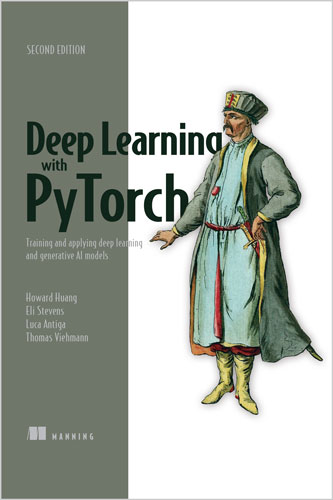
Training and applying deep learning and generative AI models
Eli Stevens, Luca Antiga, Thomas Viehmann
#Deep_Learning
#PyTorch
#NumPy
#Python
#Pythonic
#LLM
#ML
💻 توسعهدهنده اصلی پایتورچ، هاوارد هوانگ، کتاب پرفروش و اصلی Deep Learning with PyTorch رو با نگرشهای جدیدی در مورد معماری ترنسفورمرها و مدلهای هوش مصنوعی مولد بهروزرسانی کرده است.
🐍 کتاب پایتورچ که برای هر کسی که با ابزارهای پایداده (PyData) مثل نامپای آشنایی داره کاملاً ملموسه، یادگیری عمیق رو بدون فدا کردن ویژگیهای پیشرفته ساده میکنه. در این کتاب یاد میگیرید که چطور شبکه عصبی و سیستمهای یادگیری عمیق خودتون رو بسازید و از ابزارهای داخلی پایتورچ برای مشتقگیری خودکار، شتابدهی سختافزاری، آموزش توزیعشده و موارد دیگر نهایت استفاده رو ببرید. شما کشف خواهید کرد که پایتورچ چقدر ساخت کل پایپلاین یادگیری عمیق شما رو راحت میکنه؛ از جمله استفاده از PyTorch Tensor API، بارگذاری دادهها در پایتون، مانیتور کردن آموزش و بصریسازی نتایج. هر تکنیک جدیدی که یاد میگیرید با مثالهای کد کاربردی در هر فصل وارد عمل میشه و در نهایت به شما کمک میکنه تا شبکههای عصبی کانولوشنی، ترنسفورمرها و حتی یک طبقهبندیکننده تصاویر پزشکی واقعی رو بسازید.
📚 در کتاب Deep Learning with PyTorch, Second Edition موارد زیر رو پیدا میکنید:
🛠️ تقویت مفاهیم پایهای یادگیری عمیق با پروژههای عملی
⚙️ تسلط بر ایپیآیهای انعطافپذیر پایتورچ برای توسعه شبکه عصبی
📐 پیادهسازی CNNها، ترنسفورمرها و مدلهای دیفیوژن
🚀 بهینهسازی مدلها برای آموزش و دپلویمنت
🤖 مدلهای هوش مصنوعی مولد برای خلق تصاویر و متن
🌐 درباره این تکنولوژی
💡 کتابخانه قدرتمند پایتورچ یادگیری عمیق رو ساده میکنه؛ بدون اینکه ویژگیهای مورد نیاز شما برای ساخت شبکههای عصبی کارآمد، LLMها و سایر مدلهای یادگیری ماشین رو فدا کنه. این کتابخانه که از پایه پایتونیک طراحی شده، برای کاربران نامپای، سایکیتلرن و سایر فریمورکهای یادگیری ماشین کاملاً آشناست. این ویرایش دوم که به طور کامل بازبینی شده، آخرین نوآوریهای پایتورچ رو پوشش میده؛ از جمله نحوه ساخت و اصلاح مدلهای هوش مصنوعی مولد.
📖 درباره کتاب
📘 این کتاب به شما نشون میده که چطور با استفاده از آخرین نسخه پایتورچ، مدلهای شبکه عصبی بسازید. توضیحات واضح و پروژههای کاربردی به شما کمک میکنه تا مفاهیم پایه رو مستر کنید و معماریهای پیشرفته از جمله ترنسفورمرها و LLMها رو کاوش کنید. در این مسیر، تکنیکهایی رو برای آموزش با استفاده از دادههای تقویتشده (Augmented Data)، بهبود معماری مدل و فاینتیونینگ یاد میگیرید.
📝 آنچه در داخل کتاب است
⚙️ ایپیآیهای پایتورچ برای توسعه شبکه عصبی
🤖 مدلهای LLM، ترنسفورمرها و مدلهای دیفیوژن
🚀 آموزش و دپلویمنت مدل
👥 درباره مخاطب کتاب
🐍 برای برنامهنویسان پایتون که بکگراندی در یادگیری ماشین دارن.
🗂️ فهرست مطالب
بخش 1. هسته پایتورچ
بخش 2. کاربردهای عملی یادگیری عمیق
9. ترنسفورمرها چطور کار میکنند
10. مدلهای دیفیوژن برای تصاویر
11. استفاده از پایتورچ برای مبارزه با سرطان
12. ترکیب منابع داده در یک دیتابیس یکپارچه
13. آموزش یک مدل طبقهبندی برای تشخیص تومورهای مشکوک
14. بهبود آموزش با متریکها و تقویت دادهها
15. استفاده از بخشبندی برای یافتن ندولهای مشکوک
16. آموزش مدلها روی چندین کارت گرافیک
17. دپلویمنت در محیط پروداکشن
❓ درباره نویسنده
لوکا آنتیگا همبنیانگذار و مدیرعامل یک شرکت مهندسی هوش مصنوعی در برگامو ایتالیا و از مشارکتکنندگان منظم پایتورچ است.
الی استیونز در ۱۵ سال گذشته به عنوان مهندس نرمافزار در سیلیکون ولی و ۷ سال گذشته به عنوان مدیر ارشد فناوری یک استارتاپ ساخت نرمافزارهای تجهیزات پزشکی فعالیت کرده است.
هاوارد هوانگ مهندس نرمافزار و توسعهدهنده کتابخانه پایتورچ است. او در طول مدت حضورش در پایتورچ روی آموزش توزیعشده در مقیاس بزرگ تمرکز داشته است.
توماس ویهمن مدرس و مشاور تخصصی یادگیری ماشین و پایتورچ مستقر در مونیخ آلمان و از توسعهدهندگان اصلی پایتورچ است.
PyTorch core developer Howard Huang updates the bestselling original Deep Learning with PyTorch with new insights into the transformers architecture and generative AI models.
Instantly familiar to anyone who knows PyData tools like NumPy, PyTorch simplifies deep learning without sacrificing advanced features. In this book you’ll learn how to create your own neural network and deep learning systems and take full advantage of PyTorch’s built-in tools for automatic differentiation, hardware acceleration, distributed training, and more. You’ll discover how easy PyTorch makes it to build your entire DL pipeline, including using the PyTorch Tensor API, loading data in Python, monitoring training, and visualizing results. Each new technique you learn is put into action with practical code examples in each chapter, culminating into you building your own convolution neural networks, transformers, and even a real-world medical image classifier.
In Deep Learning with PyTorch, Second Edition you’ll find:
• Deep learning fundamentals reinforced with hands-on projects
• Mastering PyTorch's flexible APIs for neural network development
• Implementing CNNs, transformers, and diffusion models
• Optimizing models for training and deployment
• Generative AI models to create images and text
About the technology
The powerful PyTorch library makes deep learning simple—without sacrificing the features you need to create efficient neural networks, LLMs, and other ML models. Pythonic by design, it’s instantly familiar to users of NumPy, Scikit-learn, and other ML frameworks. This thoroughly-revised second edition covers the latest PyTorch innovations, including how to create and refine generative AI models.
About the book
Deep Learning with PyTorch, Second Edition shows you how to build neural network models using the latest version of PyTorch. Clear explanations and practical projects help you master the fundamentals and explore advanced architectures including transformers and LLMs. Along the way you’ll learn techniques for training using augmented data, improving model architecture, and fine tuning.
What's inside
• PyTorch APIs for neural network development
• LLMs, transformers, and diffusion models
• Model training and deployment
About the reader
For Python programmers with a background in machine learning.
Table of Contents
Part 1. Core PyTorch
1. Introducing Deep Learning and the PyTorch Library
2. Pretrained Networks
3. It Starts with a Tensor
4. Real-World Data Representation Using Tensors
5. The Mechanics of Learning
6. Using a Neural Network to Fit the Data
7. Telling Birds from Airplanes: Learning from Images
8. Using Convolutions to Generalize
Part 2. Practical Deep Learning Applications
9. How Transformers Work
10. Diffusion Models for Images
11. Using PyTorch to Fight Cancer
12. Combining Data Sources into a Unified Dataset
13. Training a Classification Model to Detect Suspected Tumors
14. Improving Training with Metrics and Augmentation
15. Using Segmentation to Find Suspected Nodules
16. Training Models on Multiple GPUs
17. Deploying to Production
Luca Antiga is co-founder and CEO of an AI engineering company located in Bergamo, Italy, and a regular contributor to PyTorch.
Eli Stevens has worked in Silicon Valley for the past 15 years as a software engineer, and the past 7 years as Chief Technical Officer of a startup making medical device software.
Howard Huang is a software engineer and developer on the PyTorch library. During his tenure at PyTorch he has focused on large scale, distributed training.
Thomas Viehmann is a Machine Learning and PyTorch speciality trainer and consultant based in Munich, Germany and a PyTorch core developer.