ثبت نام / ورود
0
ثبت نام / ورود
0
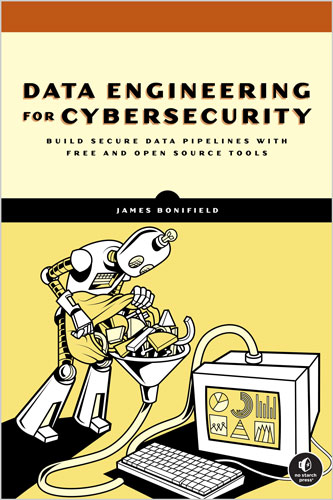
Build Secure Data Pipelines with Free and Open-Source Tools
James Bonifield
#Cybersecurity
#Data_Engineering
#Network
#Kafka
#Redis
#TLS
#Git
#Logstash
#PowerShell
#Elasticsearch
#Linux
#Security
🛡️ این کتاب یک راهنمای عملی و کاملاً hands-on برای تبدیل raw logs به اطلاعات امنیتی قابلاستفاده و هوشمند هست؛ چیزی که تیمهای امنیتی برای تحلیل رخدادها و تشخیص تهدیدها بهش تکیه میکنن.
⚙️ در این مسیر، کتاب بهت نشون میده چطور با طراحی Data Pipelineهای امن و مقیاسپذیر، دادههای خام مثل logها و eventها رو جمعآوری، نرمالسازی، غنیسازی و در نهایت به دادههای قابل تحلیل تبدیل کنی.
🚀 در این کتاب یاد میگیری
📥 جمعآوری telemetry از منابع مختلف مثل Windows (Sysmon و PowerShell)، Linux syslog و تجهیزات شبکه
🔄 تبدیل logهای خام به eventهای ساختیافته و قابل تحلیل
🔐 امنسازی دادهها در انتقال با استفاده از TLS و SSH
🧠 غنیسازی دادهها با اطلاعات تهدید (Threat Intelligence) با استفاده از Redis و Memcached
⚡ استریم و متمرکزسازی داده در مقیاس بالا با Kafka
🤖 اتوماسیون فرآیندها با Ansible برای استقرارهای قابل تکرار
🗂️ مدیریت مرکزی کد و کانفیگ با Git
📖 توضیحات کتاب
🌐 این کتاب بهت یاد میده چطور یک زیرساخت کامل برای جمعآوری و پردازش دادههای امنیتی بسازی؛ چه در یک محیط کوچک و محدود، چه در مقیاس Enterprise.
📊 تمرکز اصلی روی ساخت سیستمهایی هست که بتونن دادههای امنیتی رو در زمان واقعی پردازش کنن و پایهای برای Incident Response و Forensics فراهم کنن.
🧩 ابزارهای متنباز مثل Filebeat، Logstash، Kafka و Elasticsearch بهعنوان ستونهای اصلی این معماری استفاده میشن.
⚙️ درباره فناوری
🛡️ در دنیای امنیت سایبری، دادههای Telemetry شامل logها، eventها، metricها و signalهایی هستن که وضعیت سیستمها رو لحظهبهلحظه نشون میدن.
📡 این دادهها بهتنهایی ارزشمند نیستن؛ باید پردازش، ساختارمند و enriched بشن تا قابل استفاده برای تحلیل تهدید باشن.
🚨 این دقیقاً جاییه که Data Engineering در امنیت نقش حیاتی پیدا میکنه.
📚 درباره کتاب
🧠 این کتاب بهت یاد میده چطور از صفر یک سیستم کامل برای مدیریت دادههای امنیتی طراحی و پیادهسازی کنی.
🔧 مسیر یادگیری شامل استخراج داده، پردازش، ذخیرهسازی، اتوماسیون و در نهایت غنیسازی دادههاست.
⚡ نتیجه نهایی، یک سیستم قابل اعتماد برای تشخیص تهدیدهای امنیتی در زمان واقعی و آماده برای تحلیلهای بلندمدته.
🔥 محتویات اصلی کتاب
📥 جمعآوری داده از endpointها و شبکه
🔐 رمزنگاری و امنسازی انتقال داده
🔄 تبدیل و استانداردسازی logها
⚡ متمرکزسازی دادهها در مقیاس بالا
🤖 اتوماسیون با Ansible
🧠 caching و enrichment دادههای threat intelligence
👥 این کتاب برای چه کسانی مناسبه؟
💻 برای مهندسان امنیت، Data Engineerها و کسانی که روی تحلیل لاگها و سیستمهای تشخیص تهدید کار میکنن.
📑 فهرست مطالب
👨🏫 درباره نویسنده
🧠 جیمز بونیفیلد بیش از ۱۰ سال تجربه در تحلیل فعالیتهای مخرب، طراحی Data Pipelineهای امنیتی و آموزش در حوزه امنیت سایبری داره.
او سیستمهای log در مقیاس Enterprise ساخته، workflowهای تشخیص تهدید رو اتومات کرده و تیمهای تحلیل امنیتی رو برای بررسی تهدیدهای پیشرفته هدایت کرده.
همچنین علاقه زیادی به امنیت، Python و ساخت ابزارهای تحلیلی داره.
Turn raw logs into real intelligence.
Security teams rely on telemetry—the continuous stream of logs, events, metrics, and signals that reveal what’s happening across systems, endpoints, and cloud services. But that data doesn’t organize itself. It has to be collected, normalized, enriched, and secured before it becomes useful. That’s where data engineering comes in.
In this hands-on guide, cybersecurity engineer James Bonifield teaches you how to design and build scalable, secure data pipelines using free, open source tools such as Filebeat, Logstash, Redis, Kafka, and Elasticsearch and more. You’ll learn how to collect telemetry from Windows including Sysmon and PowerShell events, Linux files and syslog, and streaming data from network and security appliances. You’ll then transform it into structured formats, secure it in transit, and automate your deployments using Ansible.
You’ll also learn how to:
Whether you’re building a pipeline on a tight budget or deploying an enterprise-scale system, this book shows you how to centralize your security data, support real-time detection, and lay the groundwork for incident response and long-term forensics.
Table of Contents
Part I: Foundations of Secure Data Engineering
Chapter 1. Data Engineering Basics
Chapter 2. Network Encryption
Chapter 3. Source and Configuration Management
Part II: Log Extraction and Management
Chapter 4. Endpoint and Network Data
Chapter 5. Windows Logs
Chapter 6. Integrating and Storing Data
Chapter 7. Working With Syslog Data
Part III: Data Transformation and Standardization
Chapter 8. Data Manipulation Pipelines
Chapter 9. Transformation Filters
Part IV: Data Centralization, Automation, and Enrichment
Chapter 10. Centralizing Security Data
Chapter 11. Automating Tool Configurations
Chapter 12. Ansible Tasks and Playbooks
Chapter 13. Caching Threat Intelligence Data
About the Author
James Bonifield has over a decade of experience analyzing malicious activity, implementing data pipelines, and training others in the security industry. He has built enterprise-scale log solutions, automated detection workflows, and led analyst teams investigating major cyber threat actors. Bonifield holds numerous certifications and enjoys spending time with his family, traveling, and tinkering with all things security and Python related.