ثبت نام / ورود
0
ثبت نام / ورود
0
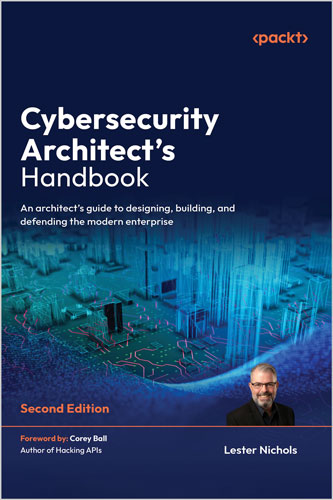
An architect's guide to designing, building, and defending the modern enterprise
Lester Nichols
#Cybersecurity
#AI_security
#Zero_Trust
#crypto
#HIPAA
#PCI
#GLBA
#SOX
#ICS/SCADA
#BCP/DR
«راهنمای معمار امنیت سایبری، ویرایش دوم» بر پایه مباحث بنیادی، توسعه شغلی و بهترین روشهایی که نسخه اول را به یک منبع ضروری تبدیل کرد، بنا شده است؛ در حالی که دامنه خود را با بخش جدیدی از فصلهای معماری کاربردی و خاصِ هر صنعت گسترش داده است.
در این ویرایش جدید، کتاب به بررسی عمیق و اختصاصی معماری امنیت هوش مصنوعی، الگوهای معماری خدمات مالی، معماری امنیت مراقبتهای بهداشتی، معماری امنیت بومی ابری، حفاظت از زیرساختهای حیاتی و پیادهسازی معماری Zero Trust میپردازد که هر کدام شامل مثالهای سناریو محور، تمرینات آزمایشگاهی و راهنمای طراحی خاصِ آن حوزه هستند. ویژگی جدید این ویرایش، چارچوب استراتژیک الهامگرفته از کتاب «هنر جنگ» اثر سون تزو است که در هر فصل بافته شده تا این موضوع را تقویت کند که معماران امنیت سایبری صرفاً تکنسین نیستند، بلکه استراتژیکرها و تاکتیکدانهایی هستند که در یک میدان نبرد دیجیتال فعالیت میکنند.
در پایان این کتاب، شما یک نقشه راه کامل از دانش پایه تا کاربرد واقعی در صنایع حیاتی و محیطهای فناوری امروزی خواهید داشت. شما بهترین روشها و تهدیدات نوظهور، از جمله محاسبات کوانتومی و حملات مبتنی بر هوش مصنوعی را برای طراحی، ساخت و دفاع از شرکتهای مدرن بررسی خواهید کرد.
این کتاب برای معماران امنیت سایبری مشتاقی است که به دنبال دانش پایه و یک نقشه راه برای تفکر و فعالیت به عنوان یک معمار هستند. همچنین برای متخصصان امنیتی شاغلی مناسب است که میخواهند از کارهای تاکتیکی و ابزار-محور به سمت تفکر استراتژیک معماری و تصمیمگیری حرکت کنند. معماران فعلی امنیت و معماران راهکار که به دنبال گسترش تخصص خود در امنیت هوش مصنوعی و Zero Trust هستند نیز از تقویت چارچوبهای انتقالپذیر سود خواهند برد. رهبران فناوری یا مدیران IT که میخواهند استراتژی امنیتی را با اهداف تجاری و حاکمیت همسو کنند، این کتاب را ضروری خواهند یافت.
بخش ۱: مبانی
۱. مقدمهای بر امنیت سایبری مدرن
۲. مفاهیم ضروری امنیت سایبری
۳. معماران امنیت سایبری و مسئولیتهای آنها
بخش ۲: مسیرها
۴. اصول، طراحی و تحلیل معماری امنیت سایبری
۵. ملاحظات تهدید، ریسک و حاکمیت به عنوان یک معمار
۶. مستندسازی به عنوان یک معمار امنیت سایبری - منابع ارزشمند و راهنما
۷. نقشه راه سطح مقدماتی تا معمار شدن
۸. دوراهی صدور گواهینامه
بخش ۳: پیشرفتها
۹. خلوت کردن و مرتبسازی مجموعه ابزارها
۱۰. بهترین روشها
۱۱. سازگاری به عنوان یک معمار امنیت سایبری
۱۲. ملاحظات معماری - طراحی، توسعه و سایر استراتژیهای امنیتی
بخش ۴: کاربرد
۱۳. معماری امنیت هوش مصنوعی
۱۴. الگوهای معماری خدمات مالی
۱۵. معماری امنیت مراقبتهای بهداشتی
۱۶. معماری امنیت بومی ابری
۱۷. حفاظت از زیرساختهای حیاتی
۱۸. پیادهسازی معماری اعتماد صفر (Zero Trust)
۱۹. روندهای آینده
۲۰. باز کردن دسترسی به مجموعه کدها و نسخه PDF
لستر ای. نیکولز سوم (Lester E. Nichols III) در حال حاضر در تگزاس شمالی ساکن است و مدیر معماری امنیت و نایب رئیس ارشد معماری امنیت سایبری در شرکت JPMorgan Chase میباشد. تجربیات قبلی او شامل مدیریت زیرساختهای IT و امنیت برای یک شرکت توسعهدهنده، مدیریت نظارت بر SOC و افسر ارشد زیرساخت در وزارت امنیت داخلی (DHS) و فعالیت در بخشهای محلی، فدرال، وزارت دفاع و بخشهای مالی است. لستر دارای تحصیلات تکمیلی با مدرک کارشناسی ارشد در رشته تضمین اطلاعات از دانشگاه نورویچ (قدیمیترین مدرسه نظامی خصوصی در ایالات متحده) و چندین گواهینامه معتبر صنعتی از جمله CISSP و مدارک SANS میباشد. لستر همچنین یکی از نویسندگان همکار در کتابهای "Computer Security Handbook" ویرایش پنجم و ششم از انتشارات وایلی است.
The cybersecurity architect is not just a technician — they are a tactician in the ever-present war in cyberspace. The Cybersecurity Architect's Handbook, 2nd Edition takes you from foundational security principles through Zero Trust, AI security, cloud-native architecture, and critical infrastructure protection, blending hands-on technical expertise with the strategic wisdom of The Art of War. Design it. Build it. Defend it.
The Cybersecurity Architect's Handbook, 2nd Edition builds on the foundational, career-development, and best-practices coverage that made the first edition an essential resource, while expanding its scope with a new section of applied, industry-specific architecture chapters.
In this new edition, the book introduces dedicated deep dives into AI security architecture, financial services architecture patterns, healthcare security architecture, cloud-native security architecture, critical infrastructure protection, and Zero Trust Architecture implementation — each with scenario-based examples, lab exercises, and domain-specific design guidance. New to this edition is the strategic framework inspired by Sun Tzu's The Art of War, woven throughout every chapter to reinforce that cybersecurity architects are not merely technicians but strategists and tacticians operating on a digital battlefield.
By the end of this book, you will have a complete roadmap from foundational knowledge to real-world application across today’s critical industries and technology environments. You will explore best practices and emerging threats, including quantum computing and AI-driven attacks, to design, build, and defend the modern enterprise.
This book is for aspiring cybersecurity architects who want foundational knowledge and a roadmap to think and operate as architects. It’s also suited for practicing security professionals seeking to move from tactical, tool-focused work to strategic architectural thinking and decision-making. It will benefit current cybersecurity and solution architects aiming to expand expertise in AI security and Zero Trust while strengthening transferable frameworks. Technology leaders or IT managers who want to align security strategy with business objectives and governance will find this book essential.
Part 1: Foundations
Chapter 1: Introduction to Modern Cybersecurity
Chapter 2: Essential Cybersecurity Concepts
Chapter 3: Cybersecurity Architects and their Responsibilities
Part 2: Pathways
Chapter 4: Cybersecurity Architecture Principles/Design/Analysis
Chapter 5: Threat/Risk/Governance Considerations as an Architect
Chapter 6: Documentation as a Cybersecurity Architect - Valuable Resources and Guidance
Chapter 7: Entry-Level to Architect Roadmap
Chapter 8: The Certification Dilemma
Part 3: Advancements
Chapter 9: Decluttering the Toolset
Chapter 10: Best Practices
Chapter 11: Being Adaptable as a Cybersecurity Architect
Chapter 12: Architecture Considerations – Design, Development and Other Security Strategies
Part 4: Application
Chapter 13: AI Security Architecture
Chapter 14: Financial Services Architecture Patterns
Chapter 15: Healthcare Security Architecture
Chapter 16: Cloud-Native Security Architecture
Chapter 17: Critical Infrastructure Protection
Chapter 18: Zero Trust Architecture Implementation
Chapter 19: Future Trends
Chapter 20: Unlock Access to the Code Bundle and the PDF Version
About the Author
Lester E. Nichols III currently resides in North Texas and is the Director Security Architecture/VP Sr. Lead Cybersecurity Architect IT Sec & Compliance Integration at JPMorgan Chase & Co. Previous experience includes the Director of IT Infrastructure and Security for a development company, SOC oversight manager/Senior Infrastructure Officer within DHS and previous experience in Local/Federal/DoD/financial sectors. Lester has post graduate education with a Master's of Science Degree in Information Assurance from Norwich University, the oldest private military school in the United States, and multiple industry certifications including CISSP and SANS certs, as well as others. Lester is also a contributing author to the Computer Security Handbook 5th-6th Editions by Wiley Press.