ثبت نام / ورود
0
ثبت نام / ورود
0
Michael P. Marder
#Matter_Physics
#Physic
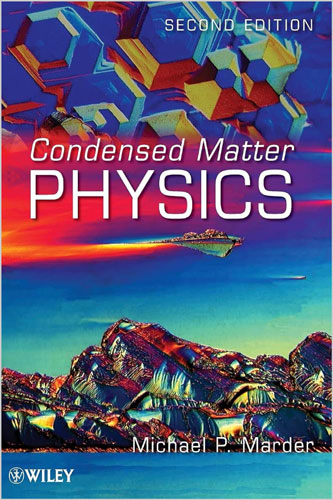
⚛️ کتاب Condensed Matter Physics (فیزیک ماده چگال)، ویرایش دوم یکی از منابع جامع و معتبر دانشگاهی برای مطالعه فیزیک حالت جامد و فیزیک ماده چگال نرم است. این اثر ضمن حفظ نقاط قوت ویرایش نخست، مبانی نظری این حوزه را همراه با دستاوردها و اکتشافات علمی جدید ارائه میدهد.
🔬 نویسنده در این ویرایش، پیشرفتهای مهم علمی پنجاه سال منتهی به انتشار کتاب را در قالب مجموعهای از موضوعات کلاسیک و مدرن، تصاویر جدید و دادههای تجربی گردآوری کرده است.
📐 کتاب به بررسی جامع مفاهیم بنیادی مانند نظریه نواری، نظریه ترابرد و فیزیک نیمهرساناها میپردازد و موضوعات پیشرفتهتری همچون شبهبلورها، دینامیک جدایش فازی، مواد دانهای، نقاط کوانتومی، فازهای بری (Berry Phases)، اثر هال کوانتومی و مایعات لاتینگر را نیز پوشش میدهد.
🧲 علاوه بر بررسی دقیق دینامیک الکترونها، الکترونیک و ابررسانایی، بخش قابلتوجهی از مطالب کتاب به فیزیک ماده نرم، از جمله بلورهای مایع، پلیمرها و دینامیک سیالات اختصاص دارد.
🧪 یکی از ویژگیهای مهم این اثر، مقایسه مستمر نظریه و آزمایش است؛ چه در مواردی که نتایج نظری و تجربی با یکدیگر سازگار هستند و چه در مواردی که مسائل علمی همچنان حلنشده باقی ماندهاند.
✨ ویژگیهای کلیدی
🔬 مقایسه گسترده پیشبینیهای نظری با نتایج تجربی و بررسی مسائل حلنشده فیزیک ماده چگال.
🖼️ ارائه تصاویر جدید و متنوع حاصل از آزمایشهای علمی.
🧮 مسائل پایان فصل، همراه با تمرینهای محاسباتی برای تقویت مهارتهای تحلیلی و عددی.
📊 بیش از ۵۰ جدول دادههای علمی و نمایهای جامع در ۴۰ صفحه.
📝 ارائه راهنمای حل مسائل ویژه مدرسان.
📚 برخورداری از ۳۷۰ تصویر و نمودار و بیش از ۱۰۰۰ مرجع علمی جدید و دارای اهمیت تاریخی.
🎯 این اثر برای دانشجویان کارشناسی و تحصیلات تکمیلی فیزیک، فیزیکدانان، مهندسان، ریاضیدانان کاربردی، متخصصان علم مواد و پژوهشگرانی که به شناخت مبانی کوانتومی و اتمی علم مواد از دیدگاهی مدرن علاقهمند هستند، منبعی جامع و ارزشمند محسوب میشود.
📖 فهرست مطالب
بخش اول. ساختار اتمی
فصل ۱. مفهوم بلورها
فصل ۲. شبکههای سهبُعدی
فصل ۳. پراکندگی و ساختارها
فصل ۴. سطوح و فصل مشترکها
فصل ۵. فراتر از بلورها
بخش دوم. ساختار الکترونی
فصل ۶. گاز فرمی آزاد و مدل تکالکترونی
فصل ۷. الکترونهای بدون برهمکنش در پتانسیل تناوبی
فصل ۸. الکترونهای تقریباً آزاد و الکترونهای قویاً مقید
فصل ۹. برهمکنشهای الکترون–الکترون
فصل ۱۰. محاسبات واقعگرایانه در جامدات
بخش سوم. خواص مکانیکی
فصل ۱۱. همبستگی جامدات
فصل ۱۲. کشسانی
فصل ۱۳. فونونها
فصل ۱۴. نابجاییها و ترکها
فصل ۱۵. مکانیک سیالات
بخش چهارم. ترابرد الکترونی
فصل ۱۶. دینامیک الکترونهای بلوخ
فصل ۱۷. پدیدههای ترابرد و نظریه مایع فرمی
فصل ۱۸. نظریههای میکروسکوپی رسانش
فصل ۱۹. الکترونیک
بخش پنجم. خواص نوری
فصل ۲۰. نظریه پدیدارشناختی
فصل ۲۱. خواص نوری نیمهرساناها
فصل ۲۲. خواص نوری عایقها
فصل ۲۳. خواص نوری فلزات و پراکندگی ناکشسان
بخش ششم. مغناطیس
فصل ۲۴. نظریههای کلاسیک مغناطیس و نظم مغناطیسی
فصل ۲۵. مغناطیس یونها و الکترونها
فصل ۲۶. مکانیک کوانتومی گشتاورهای مغناطیسی برهمکنشی
فصل ۲۷. ابررسانایی
پیوستها
پیوست A. مجموعهای شبکهای و تبدیلهای فوریه
پیوست B. روشهای وردشی
پیوست C. کوانتش دوم
👤 درباره نویسنده
🎓 مایکل پی. ماردر (Michael P. Marder) دارای مدرک دکتری، استاد گروه فیزیک و معاون دانشکده در امور آموزش علوم و ریاضیات در دانشگاه تگزاس در آستین است. او در طول فعالیت علمی خود در طیف گستردهای از پژوهشهای نظری، عددی و تجربی مشارکت داشته است.
🔬 زمینه تخصصی ماردر مکانیک جامدات، بهویژه شکست مواد ترد است. او مطالعات تجربی متعددی درباره ناپایداری ترکها در مواد پلاستیکی و لاستیکی انجام داده و نظریههای تحلیلی برای توصیف چگونگی انتشار ترکها در بلورها توسعه داده است.
📐 از دیگر موضوعات پژوهشی او میتوان به بررسی چگونگی موجدار شدن غشاها در اثر تغییرات هندسی و مطالعه ویژگیهای لغزش اصطکاکی در مقیاسهای طولی کوچک اشاره کرد.
ترجمه فهرست مطالب را دقیقتر کنعنوان کتاب را به فارسی روانتر بنویس
Now updated—the leading single-volume introduction to solid state and soft condensed matter physics
This Second Edition of the unified treatment of condensed matter physics keeps the best of the first, providing a basic foundation in the subject while addressing many recent discoveries. Comprehensive and authoritative, it consolidates the critical advances of the past fifty years, bringing together an exciting collection of new and classic topics, dozens of new figures, and new experimental data.
This updated edition offers a thorough treatment of such basic topics as band theory, transport theory, and semiconductor physics, as well as more modern areas such as quasicrystals, dynamics of phase separation, granular materials, quantum dots, Berry phases, the quantum Hall effect, and Luttinger liquids. In addition to careful study of electron dynamics, electronics, and superconductivity, there is much material drawn from soft matter physics, including liquid crystals, polymers, and fluid dynamics.
Featuring 370 figures and more than 1,000 recent and historically significant references, this volume serves as a valuable resource for graduate and undergraduate students in physics, physics professionals, engineers, applied mathematicians, materials scientists, and researchers in other fields who want to learn about the quantum and atomic underpinnings of materials science from a modern point of view.
Table of Contents
Part I. Atomic Structure
1. The Idea of Crystals
2. Three-Dimensional Lattices
3. Scattering and Structures
4. Surfaces and Interfaces
5. Beyond Crystals
Part II. Electronic Structure
6. The Free Fermi Gas and Single Electron Model
7. Non-Interacting Electrons in a Periodic Potential
8. Nearly Free and Tightly Bound Electrons
9. Electron-Electron Interactions
10. Realistic Calculations in Solids
Part III. Mechanical Properties
11. Cohesion of Solids
12. Elasticity
13. Phonons
14. Dislocations and Cracks
15. Fluid Mechanics
Part IV. Electron Transport
16. Dynamics of Bloch Electrons
17. Transport Phenomena and Fermi Liquid Theory
18. Microscopic Theories of Conduction
19. Electronics
Part V. Optical Properties
20. Phenomenological Theory
21. Optical Properties of Semiconductors
22. Optical Properties of Insulators
23. Optical Properties of Metals and Inelastic Scattering
Part VI. Magnetism
24. Classical Theories of Magnetism and Ordering
25. Magnetism of Ions and Electrons
26. Quantum Mechanics of Interacting Magnetic Moments
27. Superconductivity
Appendix A. Lattice Sums and Fourier Transforms
Appendix B. Variational Techniques
Appendix C. Second Quantization
About the Author
Michael P. Marder, PhD, is the Associate Dean for Science and Mathematics Education and Professor in the Department of Physics at the University of Texas at Austin, where he has been involved in a wide variety of theoretical, numerical, and experimental investigations. He specializes in the mechanics of solids, particularly the fracture of brittle materials. Dr. Marder has carried out experimental studies of crack instabilities in plastics and rubber, and constructed analytical theories for how cracks move in crystals. Recently he has studied the way that membranes ripple due to changes in their geometry, and properties of frictional sliding at small length scales.