ثبت نام / ورود
0
ثبت نام / ورود
0
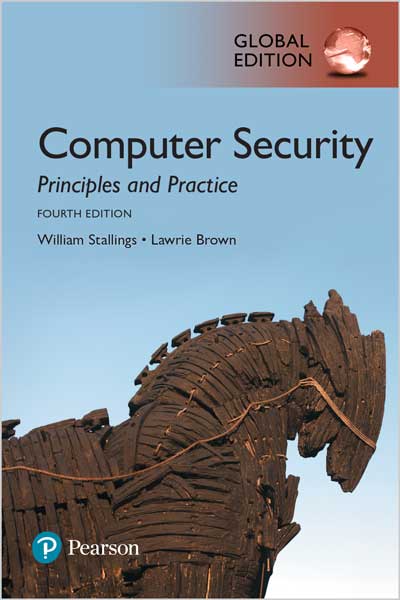
Principles and Practice
William Stallings, Lawrie Brown
#Computer_Security
#Security
#Computer_Science
#Computer_Engineering
#Network_Security
🔐 کتاب Computer Security: Principles and Practice (ویرایش چهارم)، یک منبع فوقالعاده و ایدهآل برای دورههای امنیت کامپیوتر و شبکه به حساب میاد. نیاز به آموزش در زمینه امنیت سایبری و مباحث مربوط به اون با سرعت شگفتانگیزی در حال رشده—و یادگیری این مفاهیم برای هر کسی که در رشتههای علوم کامپیوتر یا مهندسی کامپیوتر تحصیل میکنه، کاملاً حیاتی هست. این کتاب که برای هر دو گروه مخاطبان آکادمیک و حرفهای بازار کار تدوین شده، با ارائه متوازن اصول تئوری و کارهای عملی، همچنان استانداردهای آموزش امنیت کامپیوتر رو تعیین میکنه. ویرایش جدید کتاب جدیدترین نوآوریها و بهبودهای این حوزه رو پوشش میده و در عین حال، جامعیت خودش رو روی کل قلمرو امنیت حفظ میکنه. پروژههای متعدد و متنوعی که در کتاب قرار دارن، یک تجربه دستبه-کد و عملی به دانشجوها میدن تا مفاهیم متنی رو کاملاً درک کنند. همچنین منابع آنلاین تکمیلی برای اساتید، بازوی حمایتی بزرگی برای تدریس این سرفصل سریع و در حال تغییر هست.
🥇 ویرایش چهارم کتاب تمام سرفصلهای امنیتی که در کوریکولوم آموزشی علوم کامپیوتر ACM/IEEE 2013 به عنوان مباحث اصلی (Core) شناخته میشن رو در بر میگیره؛ علاوه بر این، حوزههای امتحانی مدرک معتبر CISSP رو هم کاملاً پوشش میده. از این کتاب میشه به عنوان یک رفرنس عالی برای آمادگی آزمون مدرک CISSP استفاده کرد—مدرکی که در دنیای امنیت اطلاعات به عنوان "استاندارد طلایی" شناخته میشه. این متن بررسی عمیقی روی تکنولوژیها و اصول امنیت کامپیوتر، امنیت نرمافزار، مباحث مدیریتی، الگوریتمهای رمزنگاری (Cryptographic Algorithms)، امنیت اینترنت و موارد دیگر ارائه میده.
فصل ۱. کلیات و اورویو
بخش اول: تکنولوژی و اصول امنیت کامپیوتر
فصل ۲. ابزارهای رمزنگاری
فصل ۳. احراز هویت کاربران (User Authentication)
فصل ۴. کنترل دسترسی (Access Control)
فصل ۵. امنیت پایگاه داده و داتا سنتر
فصل ۶. بدافزارها (Malicious Software)
فصل ۷. حملات منع سرویس (Denial-of-Service Attacks)
فصل ۸. سیستمهای تشخیص نفوذ (IDS)
فصل ۹. فایروالها و سیستمهای جلوگیری از نفوذ (IPS)
بخش دوم: امنیت نرمافزار و سیستم
فصل ۱۰. سرریز بافر (Buffer Overflow)
فصل ۱م. امنیت نرمافزار
فصل ۱۲. امنیت سیستمعامل
فصل ۱۳. امنیت رایانش ابری (Cloud) و اینترنت اشیاء (IoT)
بخش سوم: مباحث مدیریتی
فصل ۱۴. مدیریت امنیت فناوری اطلاعات و ارزیابی ریسک
فصل ۱۵. کنترلها، برنامهها و پروسیدورهای امنیت IT
فصل ۱۶. امنیت فیزیکی و زیرساخت
فصل ۱۷. امنیت منابع انسانی
فصل ۱۸. آئودیت و حسابرسی امنیت (Security Auditing)
فصل ۱۹. جنبههای قانونی و اخلاقی
بخش چهارم: الگوریتمهای رمزنگاری
فصل ۲۰. رمزگذاری متقارن (Symmetric Encryption) و محرمانگی پیام
فصل ۲۱. رمزنگاری کلید عمومی (Public-Key Cryptography) و احراز اصالت پیام
بخش پنجم: امنیت شبکه
فصل ۲۲. پروتکلها و استانداردهای امنیت اینترنت
فصل ۲۳. کاربردهای احراز هویت در اینترنت
فصل ۲۴. امنیت شبکههای وایرلس
👨💻 دکتر ویلیام استالینگز، یک نویسنده برجسته آمریکایی هست. اون کتابهای مرجع دانشگاهی متعددی رو در حوزه علوم کامپیوتر از جمله سیستمهای عامل، شبکههای کامپیوتری، معماری کامپیوتر و رمزنگاری تالیف کرده. اون همچنین یک وبسایت اختصاصی به عنوان منبع راهنمای دانشجوهای علوم کامپیوتر مدیریت میکنه. استالینگز ۱۷ عنوان کتاب نوشته که با احتساب ویرایشهای جدید و بازبینیشده، در مجموع شامل بیش از ۴۰ جلد کتاب در زمینههای مختلف این رشتهها میشه. در طول بیش از ۲۰ سال فعالیت در این حوزه، اون به عنوان کارشناس فنی، مدیر فنی و مدیر اجرایی با چندین شرکت بزرگ High-tech همکاری داشته. در حال حاضر، اون به عنوان یک مشاور مستقل فعالیت میکنه و مشتریانش شامل سازندگان تجهیزات کامپیوتری و شبکه، شرکتهای توسعه نرمافزار و مؤسسات پژوهشی پیشرو دولتی هستن.
Computer Security: Principles and Practice, 4th Edition, is ideal for courses in Computer/Network Security. The need for education in computer security and related topics continues to grow at a dramatic rate―and is essential for anyone studying Computer Science or Computer Engineering. Written for both an academic and professional audience, the 4th Edition continues to set the standard for computer security with a balanced presentation of principles and practice. The new edition captures the most up-to-date innovations and improvements while maintaining broad and comprehensive coverage of the entire field. The extensive offering of projects provides students with hands-on experience to reinforce concepts from the text. The range of supplemental online resources for instructors provides additional teaching support for this fast-moving subject.
The new edition covers all security topics considered Core in the ACM/IEEE Computer Science Curricula 2013, as well as subject areas for CISSP (Certified Information Systems Security Professional) certification. This textbook can be used to prep for CISSP Certification and is often referred to as the ‘gold standard’ when it comes to information security certification. The text provides in-depth coverage of Computer Security, Technology and Principles, Software Security, Management Issues, Cryptographic Algorithms, Internet Security and more.
Table of Contents
Chapter 1. Overview
Part One Computer Security Technology and Principles
Chapter 2. Cryptographic Tools
Chapter 3. User Authentication
Chapter 4. Access Control
Chapter 5. Database and Data Center Security
Chapter 6. Malicious Software
Chapter 7. Denial-of-Service Attacks
Chapter 8. Intrusion Detection
Chapter 9. Firewalls and Intrusion Prevention Systems
Part Two Software and System Security
Chapter 10. Buffer Overflow
Chapter 11. Software Security
Chapter 12. Operating System Security
Chapter 13. Cloud and IoT Security
Part Three Management Issues
Chapter 14. IT Security Management and Risk Assessment
Chapter 15. IT Security Controls, Plans, and Procedures
Chapter 16. Physical and Infrastructure Security
Chapter 17. Human Resources Security
Chapter 18. Security Auditing
Chapter 19. Legal and Ethical Aspects
Part Four Cryptographic Algorithms
Chapter 20. Symmetric Encryption and Message Confidentiality
Chapter 21. Public-Key Cryptography and Message Authentication
Part Five Network Security
Chapter 22. Internet Security Protocols and Standards
Chapter 23. Internet Authentication Applications
Chapter 24. Wireless Network Security
William Stallings Dr. William Stallings is an American author. He has written textbooks on computer science topics such as operating systems, computer networks, computer organization, and cryptography. He also maintains a website titled Computer Science Student Resource. He has authored 17 titles, and counting revised editions, a total of over 40 books on various aspects of these subjects. In over 20 years in the field, he has been a technical contributor, technical manager, and an executive with several high-technology firms. Currently he is an independent consultant whose clients have included computer and networking manufacturers and customers, software development firms, and leading-edge government research institutions.