ثبت نام / ورود
0
ثبت نام / ورود
0
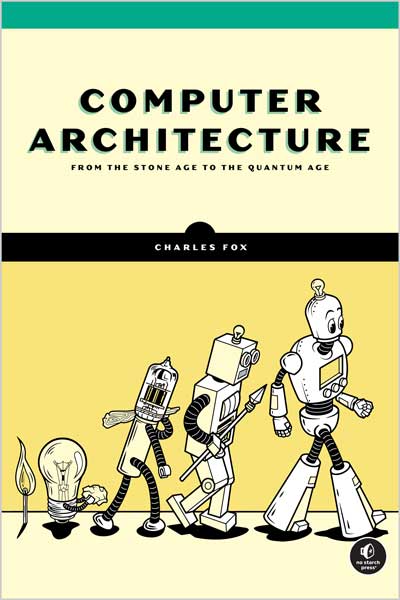
From the Stone Age to the Quantum Age
Charles Fox
#Computer_Architecture
#CPU
#CPU_Design
#RISC-V
#DNA
#quantum_computing
#hardware
🖥️ سفر در معماری کامپیوتر؛ از چرتکه تا پردازش کوانتومی
🚀 از دهه ۱۹۸۰ تاکنون، معماری کامپیوتر تا این اندازه هیجانانگیز نبوده است. کتاب Computer Architecture با مرور تاریخ Computing، مفاهیم اصلی طراحی Hardware مدرن را آموزش میده و معماریهای Neural و Quantum آینده را معرفی میکنه.
✨ ویژگیهای کلیدی
🏛️ سیر تحول معماری کامپیوتر را از ابزارهای شمارش مثل Abacus و Difference Engine بابیج تا CPUها، GPUها و Quantum Computerهای مدرن دنبال میکنه.
🧪 تاریخ، Theory، تمرینهای عملی و مثالهای واقعی را ترکیب میکنه تا مفاهیم فقط در سطح توضیحات نظری باقی نمونن.
⚙️ طراحی CPU، Digital Logic، Memory، Input/Output و معماریهای پیشرفته پردازنده را بهشکل ساختاریافته بررسی میکنه.
🎮 با برنامهنویسی Victorian Analytical Engine، Commodore 64 و Amiga، مفاهیم معماری را به تجربهای عملی تبدیل میکنه.
🔮 معماریهای x86 و RISC-V، Cloud Computing، Supercomputerها و فناوریهای آینده مثل Neural Network، DNA، Photonics و Quantum Computing را پوشش میده.
📘 توضیح کتاب
🧭 کتاب Computer Architecture بررسی عمیقی از اصول و Designهایی ارائه میده که در دورههای مختلف، Computer Hardware را شکل دادهاند. مسیر کتاب از ابزارهای شمارش اولیه مثل Abacus شروع میشه، به Difference Engine بابیج میرسه و تا GPUهای مدرن و مرزهای Quantum Computing ادامه پیدا میکنه.
📚 کتاب ترکیبی جذاب از تاریخ، Theory، تمرینهای Hands-on و مثالهای واقعی ارائه میده. به همین دلیل، فقط درباره معماری کامپیوتر مطالعه نمیکنی؛ بلکه درک لازم برای لمسکردن، ساختن و برنامهنویسی این معماریها را هم به دست میاری.
⚙️ برای شناخت ساختارهای پایه CPU، برنامهنویسی یک Victorian Analytical Engine را یاد میگیری. این مسیر نشون میده ایدههای بنیادی Computing چطور شکل گرفتن و به معماریهای الکترونیکی امروزی رسیدن.
🎮 در ادامه، ماشینهای Electronic به کامپیوترهای Retro Gaming هشتبیتی و شانزدهبیتی گسترش پیدا میکنن. با برنامهنویسی Commodore 64 و Amiga، رابطه میان Hardware Architecture و Software را بهشکل عملی تجربه میکنی.
🧠 کتاب سپس به معماریهای x86 و RISC-V، سیستمهای Embedded و Smart، Cloud Computerها، Supercomputerها و معماریهای Parallel میپردازه. همچنین مفاهیمی مثل Pipelining، Out-of-order Execution و Parallelism در Context واقعی بررسی میشن.
🔮 بخشهای آیندهمحور کتاب قدرت و ظرفیت Neural Networkها، DNA Computing، Photonics و Quantum Computing را بررسی میکنن و تصویری از مسیرهای احتمالی تکامل Computer Architecture ارائه میدن.
🎯 بعد از مطالعه کتاب، نقاط عطف معماری کامپیوتر را میشناسی و میتونی بهطور مستقیم با فناوریهایی کار کنی که دنیای Digital امروز را شکل دادهاند. این مسیر هم درک فنی را افزایش میده و هم فرصتی فراهم میکنه تا معماری کامپیوتر را بهشکل عملی ببینی و تجربه کنی.
🎯 چیزهایی که یاد میگیری
🔢 یاد میگیری Data را با Coding Schemeهای مختلف نمایش بدی.
🔌 میتونی Digital Logic Gateهای پایه را طراحی و عملکرد آنها را تحلیل کنی.
💻 با مبانی Machine Language و Assembly Language Programming آشنا میشی.
⚙️ ساختارهای پایه CPU و مراحل طراحی یک Digital CPU را درک میکنی.
🚄 یاد میگیری Pipelining و Out-of-order Execution چطور کار میکنن.
🧩 با Parallelism و معماریهای Parallel، Cloud و Supercomputer آشنا میشی.
🎮 میتونی معماری کامپیوترهای Retro مثل Commodore 64 و Amiga را از طریق برنامهنویسی بررسی کنی.
🔮 قدرت و ظرفیت Neural Networkها، DNA، Photonics و Quantum Computing را درک میکنی.
👤 این کتاب برای چه کسانیه؟
🎓 این کتاب برای دانشجویانی مناسبه که میخوان مفاهیم Computer Architecture را با ترکیبی از تاریخ، Theory و تمرین عملی یاد بگیرن.
💻 متخصصان فناوری و Tech Enthusiastهایی که به Hardware Design، CPU، Retro Computing، Embedded Systemها، معماریهای Parallel و فناوریهای آینده علاقه دارن هم میتونن از مطالب کتاب استفاده کنن.
📌 متن منبع پیشنیاز مشخصی برای مطالعه کتاب ذکر نمیکنه. رویکرد مرحلهبهمرحله و عملی کتاب کمک میکنه خوانندگان با هدفهای آموزشی و حرفهای مختلف، مسیر تکامل معماری کامپیوتر را دنبال کنن.
📖 فهرست مطالب
بخش اول. مفاهیم بنیادی
فصل ۱. معماریهای تاریخی
فصل ۲. نمایش Data
فصل ۳. معماری پایه مبتنی بر CPU
بخش دوم. سلسلهمراتب الکترونیکی
فصل ۴. Switchها
فصل ۵. Digital Logic
فصل ۶. ماشینهای ساده
فصل ۷. طراحی Digital CPU
فصل ۸. طراحی پیشرفته CPU
فصل ۹. Input/Output
فصل ۱۰. Memory
بخش سوم. نمونههایی از معماریها
فصل ۱۱. معماریهای Retro
فصل ۱۲. معماریهای Embedded
فصل ۱۳. معماریهای Desktop
فصل ۱۴. معماریهای Smart
فصل ۱۵. معماریهای Parallel
فصل ۱۶. معماریهای آینده
👤 درباره نویسنده
🎓 چارلز فاکس، Senior Lecturer برنده جایزه در University of Lincoln در UK است.
🏛️ او مدارک دانشگاهی خود را از University of Cambridge، University of Oxford و University of Edinburgh دریافت کرده است.
📚 چارلز فاکس بیش از ۱۰۰ مقاله پژوهشی منتشر کرده که در بسیاری از آنها، معماریهای Embedded، Smart، Parallel و Neural در AI و Robotics به کار گرفته شدهاند.
🏅 او Fellow مؤسسه Higher Education Academy یا FHEA است.
✍️ چارلز فاکس نویسنده کتاب Data Science for Transport است که در سال ۲۰۱۸ توسط Springer منتشر شده است.
Not since the 1980s has computer architecture been so exciting! This book captures the moment, mining the history of computing to teach key concepts in modern hardware design and introduce the neural and quantum architectures of the future.
Computer Architecture is an in-depth exploration of the principles and designs that have shaped computer hardware through the ages, from counting devices like the abacus, to Babbage’s Difference Engine, to modern GPUs and the frontiers of quantum computing.
This engaging blend of history, theory, hands-on exercises, and real-world examples is sure to make for an insightful romp through a fast-changing world. You won’t just read about computer architecture, you’ll also gain the understanding to touch, build, and program it. You’ll explore the basic structures of a CPU by learning to program a Victorian Analytical Engine. You’ll extend electronic machines to 8-bit and 16-bit retro gaming computers, learning to program a Commodore 64 and an Amiga. You’ll delve into x86 and RISC-V architectures, cloud and supercomputers, and ideas for future technologies.
You’ll also learn:
• How to represent data with different coding schemes and build digital logic gates
• The basics of machine and assembly language programming
• How pipelining, out-of-order execution, and parallelism work, in context
• The power and promise of neural networks, DNA, photonics, and quantum computing
Whether you’re a student, a professional, or simply a tech enthusiast, after reading this book, you’ll grasp the milestones of computer architecture and be able to engage directly with the technology that defines today’s world. Prepare to be inspired, challenged, and above all, see and experience the digital world, hands-on.
Table of Contents
Part I: Fundamental Concepts
Chapter 1: Historical Architectures
Chapter 2: Data Representation
Chapter 3: Basic CPU-Based Architecture
Part II: The Electronic Hierarchy
Chapter 4: Switches
Chapter 5: Digital Logic
Chapter 6: Simple Machines
Chapter 7: Digital CPU Design
Chapter 8: Advanced CPU Design
Chapter 9: Input/Output
Chapter 10: Memory
Part III: Example Architectures
Chapter 11: Retro Architectures
Chapter 12: Embedded Architectures
Chapter 13: Desktop Architectures
Chapter 14: Smart Architectures
Chapter 15: Parallel Architectures
Chapter 16: Future Architectures
Charles Fox is an award-winning senior lecturer at the University of Lincoln, UK. With degrees from Cambridge, Oxford, and the University of Edinburgh, Fox has published over 100 research papers, which often apply embedded, smart, parallel, and neural architectures to AI and robotics. He’s a Fellow of the Higher Education Academy (FHEA) and the author of Data Science for Transport (Springer, 2018).