ثبت نام / ورود
0
ثبت نام / ورود
0
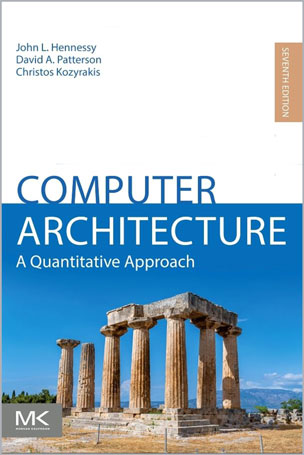
A Quantitative Approach
John L. Hennessy, John L. Hennessy, David Patterson
#Computer_Architecture
#Quantitative
#NVIDIA
#EPIC
#VLIW
#GPU
#SIMD
💻 کتاب Computer Architecture: A Quantitative Approach نزدیک به ۳۰ سال است که یکی از منابع ضروری برای استادان، دانشجویان و متخصصان طراحی کامپیوتر به شمار میرود. ویرایش هفتم این اثر کلاسیک، نوشته جان هنسی و دیوید پترسون، برندگان جایزه تورینگ ACM در سال ۲۰۱۷، به همراه نویسنده جدید کریستوس کوزیراکیس، بهطور کامل بازنگری شده و تازهترین تحولات در معماری پردازندهها و سیستمها را پوشش میدهد.
🧠 این ویرایش همچنان به هدف اصلی کتاب، یعنی سادهسازی و شفافسازی مفاهیم معماری کامپیوتر، وفادار مانده است. تمرکز اصلی بر حوزههایی قرار دارد که مهمترین نوآوریهای محاسباتی در آنها رخ میدهند، درحالیکه اصول طراحی مهندسی صحیح همواره در مرکز توجه باقی میمانند.
🏆 این کتاب برنده Textbook Excellence Award (Texty) در سال ۲۰۱۹ از سوی Textbook and Academic Authors Association شده است.
🔍 هر فصل از ساختاری منظم و ثابت پیروی میکند: ابتدا ایدههای اصلی توضیح داده میشوند، سپس در بخش Crosscutting Issues ارتباط مفاهیم آن فصل با دیگر بخشهای کتاب بررسی میشود. در بخش Putting It All Together نیز نشان داده میشود که این اصول چگونه در ماشینها و سیستمهای واقعی به کار گرفته میشوند.
⚙️ کتاب همچنین نمونههای دقیقی از سوءبرداشتها، اشتباهات طراحی و تلههای معماری ارائه میدهد که توسعهدهندگان و معماران سیستمها ممکن است در عمل با آنها روبهرو شوند.
🚀 این ویرایش تحولات جدید در معماریهای CPU و GPU، معماریهای اختصاصی حوزهای و سیستمهای ناهمگون را پوشش میدهد و بحث گستردهتری درباره سیستم روی تراشه و پردازش ناهمگون ارائه میکند.
✨ ویژگیهای کلیدی کتاب
📖 فهرست مطالب
فصل ۱. مبانی طراحی و تحلیل کمی
فصل ۲. طراحی سلسلهمراتب حافظه
فصل ۳. موازیسازی در سطح دستورالعمل و بهرهبرداری از آن
فصل ۴. موازیسازی در سطح داده در معماریهای برداری، SIMD و GPU
فصل ۵. موازیسازی در سطح رشته
فصل ۶. معماریهای در مقیاس انبار برای رایانش خدماتی
فصل ۷. معماریهای اختصاصی حوزهای
پیوست A. اصول مجموعه دستورالعمل
پیوست B. مروری بر سلسلهمراتب حافظه
پیوست C. پایپلاینینگ؛ مفاهیم پایه و میانی
پیوست D. سیستمهای ذخیرهسازی
پیوست E. سیستمهای نهفته
پیوست F. شبکههای اتصال داخلی
پیوست G. بررسی عمیقتر پردازندههای برداری
پیوست H. سختافزار و نرمافزار برای VLIW و EPIC
پیوست I. چندپردازندههای بزرگمقیاس و کاربردهای علمی
پیوست J. حساب کامپیوتری
پیوست K. مروری بر معماریهای مجموعه دستورالعمل
پیوست L. مفاهیم پیشرفته ترجمه آدرس
پیوست M. دیدگاههای تاریخی و منابع
👥 درباره نویسندگان
🎓 جان ال. هنسی از دریافتکنندگان جایزه ACM A.M. Turing Award 2017 است؛ جایزهای که بهدلیل نقش پیشگامانه او در توسعه رویکردی نظاممند و کمی برای طراحی و ارزیابی معماری کامپیوتر و تأثیر ماندگار آن بر صنعت ریزپردازنده به او اعطا شد.
🏛️ او استاد مهندسی برق و علوم کامپیوتر در دانشگاه استنفورد است و از سال ۱۹۷۷ عضو هیئت علمی این دانشگاه بوده است. هنسی از سال ۲۰۰۰ تا ۲۰۱۶ نیز بهعنوان دهمین رئیس دانشگاه استنفورد فعالیت کرد.
🏅 او عضو IEEE و ACM و همچنین عضو National Academy of Engineering، National Academy of Sciences، American Philosophical Society و American Academy of Arts and Sciences است. از افتخارات او میتوان به Eckert-Mauchly Award برای مشارکت در فناوری RISC، Seymour Cray Computer Engineering Award و John von Neumann Award اشاره کرد. او همچنین هفت دکترای افتخاری دریافت کرده است.
🎓 دیوید پترسون استاد بازنشسته علوم کامپیوتر با عنوان Pardee Professor در دانشگاه کالیفرنیا، برکلی است. او پس از فارغالتحصیلی از UCLA در سال ۱۹۷۷ به برکلی پیوست.
📚 فعالیتهای آموزشی او با جوایزی مانند Distinguished Teaching Award دانشگاه کالیفرنیا، Karlstrom Award از ACM و جوایز آموزشی IEEE مورد تقدیر قرار گرفتهاند.
🏆 پترسون برای مشارکتهایش در معماری RISC و RAID جوایز متعددی دریافت کرده است، از جمله IEEE Technical Achievement Award، ACM Eckert-Mauchly Award و IEEE Johnson Information Storage Award. او همچنین همراه با جان هنسی، IEEE John von Neumann Medal و جایزه C & C Prize را دریافت کرده است.
🌐 او عضو American Academy of Arts and Sciences، Computer History Museum، ACM و IEEE است و به عضویت National Academy of Engineering، National Academy of Sciences و Silicon Valley Engineering Hall of Fame درآمده است. او همچنین ریاست ACM و Computing Research Association را بر عهده داشته است.
🎓 کریستوس کوزیراکیس استاد مهندسی برق و علوم کامپیوتر در دانشگاه استنفورد است. زمینههای اصلی پژوهش او معماری کامپیوتر و سیستمهای کامپیوتری هستند.
🤖 پژوهشهای فعلی او بر رایانش ابری، سیستمهای یادگیری ماشین و کاربرد یادگیری ماشین در بهینهسازی سیستمها تمرکز دارند. او مدرک کارشناسی خود را از دانشگاه کرت و دکتری خود را از دانشگاه کالیفرنیا، برکلی دریافت کرده است.
🏅 کوزیراکیس عضو ACM و IEEE است و جوایزی مانند ACM SIGARCH Maurice Wilkes Award، ISCA Influential Paper Award، NSF Career Award و Okawa Foundation Research Grant را دریافت کرده است. همچنین شرکتهایی مانند IBM، Microsoft و Google از فعالیتهای دانشگاهی و پژوهشی او تقدیر کردهاند.
Computer Architecture: A Quantitative Approach, has been considered essential reading by instructors, students and practitioners of computer design for nearly 30 years. The seventh edition of this classic textbook from John Hennessy and David Patterson, winners of the 2017 ACM A.M. Turing Award recognizing contributions of lasting and major technical importance to the computing field, along with new author Christos Kozyrakis, is fully revised with the latest developments in processor and system architecture.
True to its original mission of demystifying computer architecture, this edition continues the longstanding tradition of focusing on areas where the most exciting computing innovation is happening, while always keeping an emphasis on good engineering design.
Table of Contents
1 Fundamentals of Quantitative Design and Analysis
2 Memory Hierarchy Design
3 Instruction-Level Parallelism and Its Exploitation
4 Data-Level Parallelism in Vector, SIMD, and GPU Architectures
5 Thread-Level Parallelism
6 Warehouse-Scale Architectures for Utility Computing
7 Domain-Specific Architectures
A Instruction Set Principles
B Review of Memory Hierarchy
C Pipelining: Basic and Intermediate Concepts
D Storage Systems
E Embedded Systems
F Interconnection Networks
G Vector Processors in More Depth
H Hardware and Software for VLIW and EPIC
I Large-Scale Multiprocessors and Scientific Applications
J Computer Arithmetic
K SuNey of Instruction Set Architectures
L Advanced Concepts on Address Translation
M Historical Perspectives and References
ACM named John L. Hennessy a recipient of the 2017 ACM A.M. Turing Award for pioneering a systematic, quantitative approach to the design and evaluation of computer architectures with enduring impact on the microprocessor industry. John L. Hennessy is a Professor of Electrical Engineering and Computer Science at Stanford University, where he has been a member of the faculty since 1977 and was, from 2000 to 2016, its tenth President. Prof. Hennessy is a Fellow of the IEEE and ACM; a member of the National Academy of Engineering, the National Academy of Science, and the American Philosophical Society; and a Fellow of the American Academy of Arts and Sciences. Among his many awards are the 2001 Eckert-Mauchly Award for his contributions to RISC technology, the 2001 Seymour Cray Computer Engineering Award, and the 2000 John von Neumann Award, which he shared with David Patterson. He has also received seven honorary doctorates.
David Patterson is the Pardee Professor of Computer Science, Emeritus at the University of California at Berkeley, which he joined after graduating from UCLA in 1977.His teaching has been honored by the Distinguished Teaching Award from the University of California, the Karlstrom Award from ACM, and the Mulligan Education Medal and Undergraduate Teaching Award from IEEE. Prof. Patterson received the IEEE Technical Achievement Award and the ACM Eckert-Mauchly Award for contributions to RISC, and he shared the IEEE Johnson Information Storage Award for contributions to RAID. He also shared the IEEE John von Neumann Medal and the C & C Prize with John Hennessy. Like his co-author, Prof. Patterson is a Fellow of the American Academy of Arts and Sciences, the Computer History Museum, ACM, and IEEE, and he was elected to the National Academy of Engineering, the National Academy of Sciences, and the Silicon Valley Engineering Hall of Fame. He served on the Information Technology Advisory Committee to the U.S. President, as chair of the CS division in the Berkeley EECS department, as chair of the Computing Research Association, and as President of ACM. This record led to Distinguished Service Awards from ACM, CRA, and SIGARCH.
Christos Kozyrakis is a Professor of Electrical Engineering and Computer Science at Stanford University. His primary research areas are computer architecture and computer systems. His current work focuses on cloud computing, systems for machine learning, and machine learning for systems. Christos holds a BS degree from the University of Crete and a PhD degree from the University of California at Berkeley. He is a fellow of the ACM and the IEEE. He has received the ACM SIGARCH Maurice Wilkes Award, the ISCA Influential Paper Award, the NSF Career Award, the Okawa Foundation Research Grant, and faculty awards by IBM, Microsoft, and Google.