ثبت نام / ورود
0
ثبت نام / ورود
0
Klaus A. Hoffmann, Steve T. Chiang
#Fluid
#Dynamics
#CFD
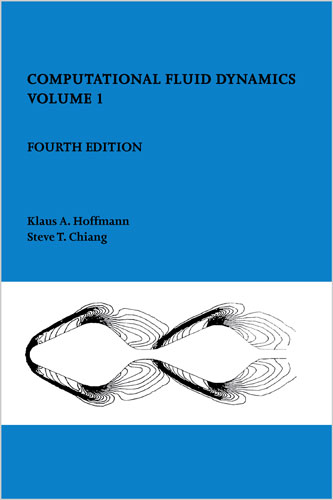
کتاب Computational Fluid Dynamics, Volume I (چاپ چهارم) تألیف کلاوس ای. هوفمن و استیو تی. چیانگ نخستین جلد از مجموعهای سهجلدی است که به عنوان منبع استاندارد آموزش و کاربرد دینامیک سیالات محاسباتی (CFD) در سراسر جهان شناخته میشود.
این جلد با ایجاد پیوندی میان مکانیک کلاسیک سیالات و شبیهسازی عددی مدرن، خواننده را از ابزارهای ریاضی پایه تا الگوریتمهای کاربردی حل معادلات ناویه–استوکس هدایت میکند.
کتاب با طبقهبندی معادلات دیفرانسیل جزئی آغاز میشود، سپس به تدوین روشهای تفاضل محدود پرداخته و آنها را بر مسائل پارابولیک، بیضوی و هایپربولیک کلاسیک اعمال میکند؛ در ادامه تحلیل پایداری و خطا به طور جامع بررسی میشود. پس از آن فرمهای اسکالر سادهشدهای از معادلات ناویه–استوکس و نیز چندین شکلبندی از دستگاه ناویه–استوکس تراکمناپذیر معرفی میشود و سرانجام به تکنیکهای تولید شبکههای ساختیافته که برای هندسههای پیچیده ضروریاند، میپردازد.
هر فصل شامل اهداف آموزشی مشخص، مثالهای حلشده و مجموعه گستردهای از تمرینهاست که خواننده را تشویق میکند تا روشهای ارائهشده را در مسائل واقعی جریان و انتقال حرارت به کار گیرد.
با توجه به بیان روشن، سازماندهی نظاممند و تأکید بر درک فیزیکی همراه با روش عددی، جلد اول برای دانشجویان سالآخر کارشناسی و دانشجویان تحصیلات تکمیلی در رشتههای مهندسی هوافضا، مکانیک، عمران و شیمی مناسب است. همچنین مهندسانی که قصد دارند از استفاده صرف از نرمافزارهای CFD فراتر رفته و درک نظری دقیقتری از شبیهسازیهای خود کسب کنند، از این کتاب بهرهمند خواهند شد.
فصل اول: طبقهبندی معادلات دیفرانسیل جزئی
فصل دوم: فرمسازی تفاضل محدود
فصل چهارم: تحلیل پایداری
فصل پنجم: معادلات بیضوی
فصل ششم: معادلات هایپربولیک
فصل هفتم: معادلات دیفرانسیل جزئی غیرخطی
فصل هشتم: معادلات ناویه–استوکس تراکمناپذیر
کلاوس ای. هوفمن متخصص برجسته دینامیک سیالات محاسباتی و استاد باسابقه گروه مهندسی هوافضای دانشگاه ایالتی وچیتا در ایالت کانزاس ایالات متحده است. او دارای عنوان استاد ممتاز ماروین جی. گوردون بوده و مدتی به عنوان هماهنگکننده دوره دکتری فعالیت کرده است. دکترای خود را در سال ۱۹۸۳ در رشته مهندسی هوافضا از دانشگاه تگزاس در آستین دریافت کرده و از آن زمان تاکنون بیش از صد مقاله تخصصی در زمینه روشهای عددی برای جریانهای سیال و موضوعات مرتبط منتشر کرده است.
حوزههای پژوهشی هوفمن شامل آیرودینامیک مافوق صوت و هایپرسونیک، آکوستیک آیرودینامیکی، مغناطوهیدرودینامیک (MHD)، مدلسازی آشفتگی، تولید شبکه محاسباتی و کاربردهای زیستی CFD مانند جریان خون در شریانها و پیرامون ایمپلنتهای پزشکی است.
علاوه بر فعالیتهای علمی در نشریات و کنفرانسها، هوفمن در جامعه CFD به عنوان نویسنده اصلی مجموعه چندجلدی Computational Fluid Dynamics و نیز کتاب Computational Fluid Dynamics for Engineers و راهنماهای دانشجویی آن شناخته میشود؛ آثاری که دهههاست در دورههای دانشگاهی و آموزشهای تخصصی در سراسر جهان مورد استفاده قرار میگیرند.
استیو تی. چیانگ پژوهشگر و مهندس فعال در زمینه CFD است که تمرکز اصلی او بر آیرودینامیک سرعت بالا، انتقال حرارت آیرودینامیکی (Aeroheating) و روشهای عددی حل معادلات ناویه–استوکس قرار دارد. بخش عمدهای از تحقیقات منتشرشده وی در دانشگاه تگزاس آستین انجام شده است، جایی که چندین مقاله تأثیرگذار درباره پیشبینی انتقال حرارت، جریان خروجی موتورهای راکتی و مقایسه روشهای تفکیک بردار شار در چارچوبهای تفاضل محدود و حجم محدود منتشر کرد.
چیانگ بیش از هر چیز برای دانشجویان و مهندسان حرفهای به عنوان همنویسنده مجموعه چندجلدی Computational Fluid Dynamics و Computational Fluid Dynamics for Engineers شناخته میشود که از سوی انتشارات Engineering Education System منتشر شدهاند. این کتابها با تمرکز بر استنتاجهای شفاف و الگوریتمهای تکرارپذیر و قابلپیادهسازی، به عنوان منابع پایه در دورههای آموزشی CFD و مراجع فنی در مهندسی هوافضا و مکانیک در سراسر جهان مطرح هستند.
Computational Fluid Dynamics, Volume I (Fourth Edition) by Klaus A. Hoffmann and Steve T. Chiang is the foundational volume of a three-part series that has become a standard reference for teaching and practicing CFD around the world.
Bridging classical fluid mechanics and modern numerical simulation, it leads the reader from basic mathematical tools all the way to practical algorithms for solving the Navier–Stokes equations.
Beginning with the classification of partial differential equations, the book develops finite-difference formulations and applies them to canonical parabolic, elliptic and hyperbolic problems, followed by detailed stability and error analysis. It then introduces scalar model forms of the Navier–Stokes equations, several formulations of the incompressible Navier–Stokes system, and concludes with structured grid-generation techniques essential for complex geometries.
Each chapter contains clearly stated learning objectives, worked examples and extensive problem sets, encouraging the reader to apply the methods to realistic flow and heat-transfer problems.
With its clear exposition, systematic organization and emphasis on both physical understanding and numerical technique, Volume I is ideally suited for senior undergraduate and graduate students in aerospace, mechanical, civil and chemical engineering, as well as practicing engineers who wish to move beyond a black-box use of CFD software and gain a firm grasp of the theory behind their simulations.
Table of Contents
Chapter One: Classification of Partial Differential Equations
Chapter Two: Finite Difference Formulations
Chapter Four: Stability Analysis
Chapter Five: Elliptic Equations
Chapter Six: Hyperbolic Equations
Chapter Seven: Nonlinear Partial Differential Equations
Chapter Eight: Incompressible Navier‑Stokes Equations
About the Author
Klaus A. Hoffmann is a computational fluid dynamics specialist and long-time faculty member in the Department of Aerospace Engineering at Wichita State University in Kansas, where he holds the title of Marvin J. Gordon Distinguished Professor and has served as PhD program coordinator.He earned his PhD in aerospace engineering from the University of Texas at Austin in 1983 and has since published well over a hundred technical papers on numerical methods for fluid flow and related topics.
Hoffmann’s research spans supersonic and hypersonic aerodynamics, aero-acoustics, magnetohydrodynamics, turbulence modeling, grid generation, and bio-fluid applications such as blood flow in arteries and around medical implants.
In addition to his journal and conference work, he is widely known in the CFD community as the lead author of the multi-volume textbook series Computational Fluid Dynamics and of Computational Fluid Dynamics for Engineers and its companion student guides, which have been used for decades in university courses and professional training programs worldwide.
Steve T. Chiang is a researcher and engineer in computational fluid dynamics whose work has focused on high-speed aerodynamics, aeroheating, and numerical solution methods for the Navier–Stokes equations. Much of his published research was carried out while he was affiliated with the University of Texas at Austin, where he co-authored a series of influential papers on heat-transfer prediction, rocket-exhaust flows, and comparisons of flux-vector–splitting schemes for finite-difference and finite-volume methods.
Chiang is best known to students and practicing engineers as co-author, with Klaus A. Hoffmann, of the multi-volume textbook series Computational Fluid Dynamics and Computational Fluid Dynamics for Engineers, published by Engineering Education System. These books, widely adopted in aerospace and mechanical engineering programs, emphasize clear derivations and practical algorithms that can be implemented by readers, and they continue to be cited as foundational teaching texts in CFD courses and reference materials.